Govt introduces compulsory standards for gas cylinders, low-pressure regulators safety
Legal
Health
Business
August 9, 2026
Share this article
Click to view full size
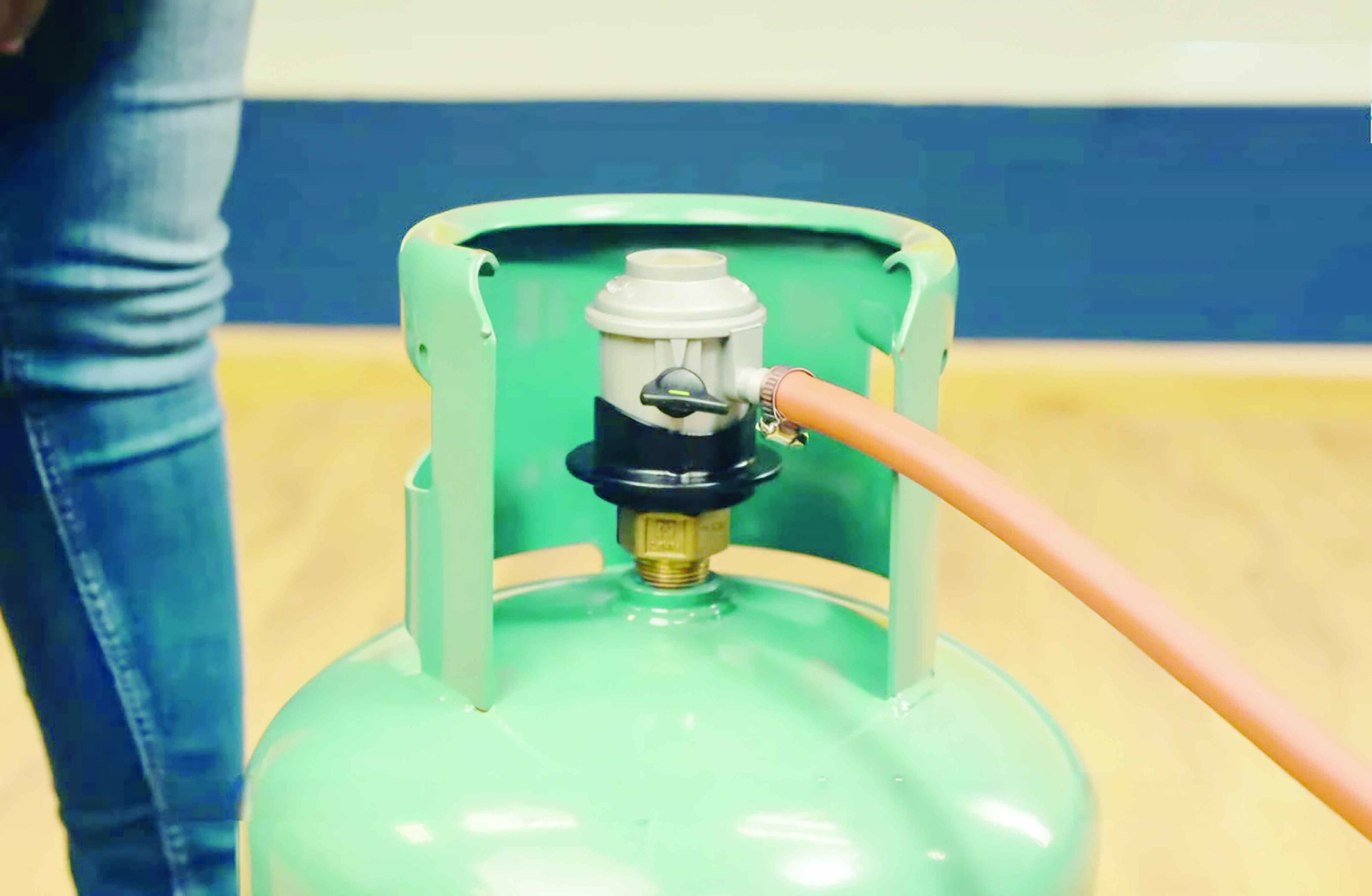
In a move to strengthen public safety and improve the quality of liquefied petroleum gas (LPG) equipment available on the local market, the Guyana Government has approved two National Standards governing LPG cylinders and low-pressure regulators-measures that are now compulsory. These new standards come on the heels of mounting public concerns regarding LPG cylinder explosions and leaks at consumers’ premises some of which were fatal. This prompted the Government, through the Guyana National Bureau of Standards (GNBS), to review and revise the national standards GYS 264-Specification for LPG Cylinder and its Storage, Handling and Transportation, and GYS 523-Specification for Low-pressure Regulators for Use with LPG in 2025 to provide greater clarity, improve ease of use, and strengthen the monitoring of the importation and sale of low-pressure LPG regulators and LPG cylinders. The comprehensive revision process was completed by a Technical Committee comprising key stakeholders, including the Environmental Protection Agency (EPA), Guyana Energy Agency (GEA), Guyana Fire Service (GFS), Guyana Revenue Authority (GRA), Massy Gas, GUYGAS Inc, and the Competition and Consumer Affairs Commission (CCAC).
In a statement on Saturday, the Tourism, Industry, and Commerce Ministry said that extensive input was also garnered from others in the petroleum industry and the public through a public consultation process over a 60-day period before the documents were finalised with recommendations for these changes. Among the key requirements introduced under the updated GYS 264 standard are provisions to ensure that LPG cylinders meet recognised safety specifications or international standards. Cylinders must also be appropriately stamped to indicate compliance. Additionally, cylinders shall be permanently marked with the tare weight, water capacity, serial number, manufacturer or trade name, date of manufacture or last test date, tester’s symbol, and cylinder specification or working pressure. Further, the standard requires cylinders to be fitted with a safety relief device designed to relieve vapour pressure, a cylinder shroud in good condition that is securely welded to the cylinder body, or a neck ring that allows a valve protection cap to be screwed onto the cylinder, together with a foot ring that enables the cylinder to stand in a stable, vertical position above ground.
With respect to the condition of the cylinder body, the standard requires it to be free from sharp dents or cuts, free from evidence of exposure to fire or excessive heat, bulging, corrosion, damaged foot rings, defective or broken pins, and dirt or other removable substances that may affect safe operation. Beyond construction and marking requirements, the standard also addresses repairs, requalification, test methods, storage locations, fire extinguishers, display, handling, and transportation, among other key safety provisions.
Legal
Health
Business
Need the bigger picture?
Share this article
Comments (0)
Download our mobile app
The portable companion to gazettE. Get notifications, track read articles, and more. The latest news from Trinidad and Tobago, in one place.