When Freedom Bought the Land: How Freed Africans Built Their Own Villages in Berbice
Business
Finance
August 31, 2026
Share this article
Click to view full size
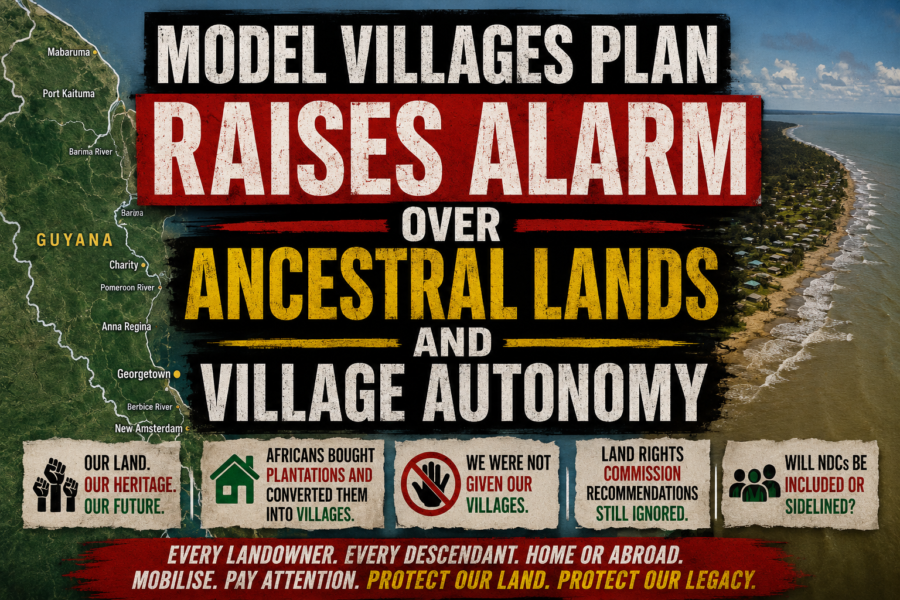
Freedom did not come with a house. It did not come with a farm, a bank account, a pension or a piece of land. When full emancipation came in British Guiana on August 1, 1838, thousands of Africans emerged from generations of enslavement legally free but without the material foundations needed to make freedom secure. The plantations remained largely in the hands of the former owners. The wealth accumulated through African labour remained concentrated elsewhere.
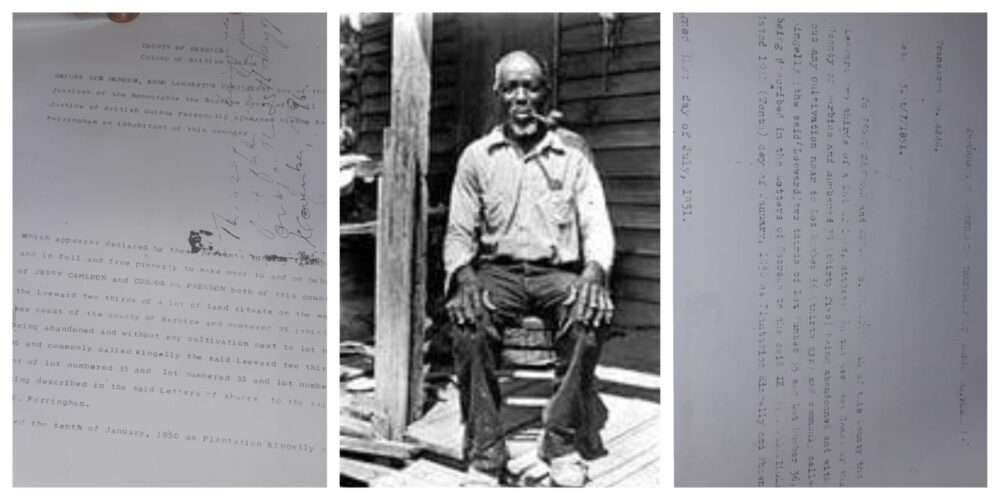
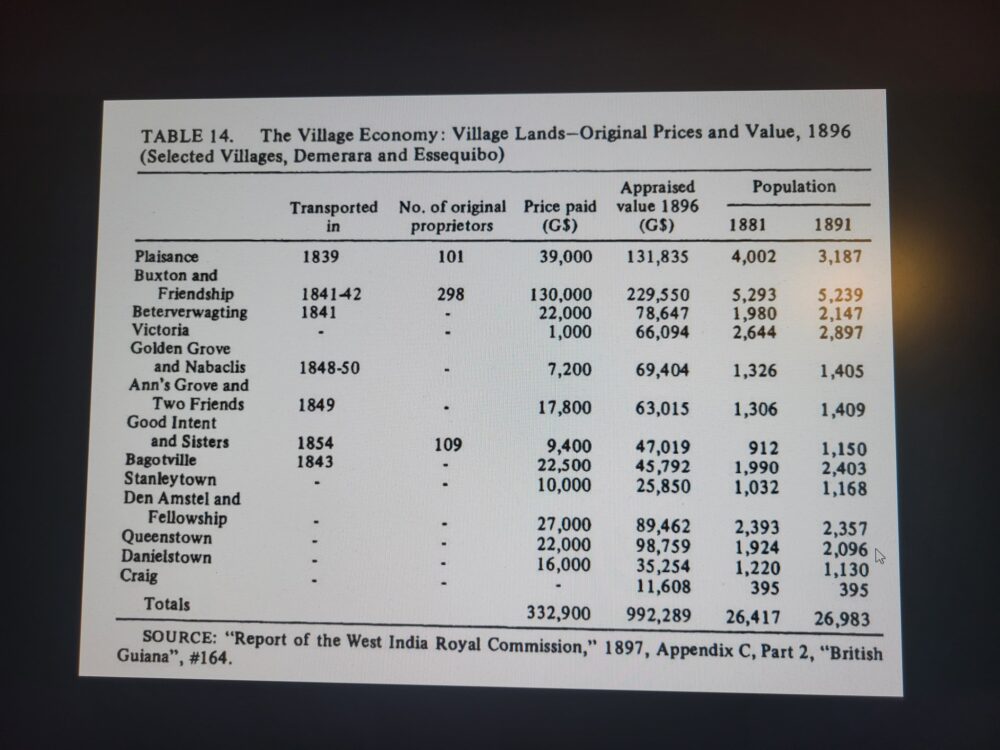
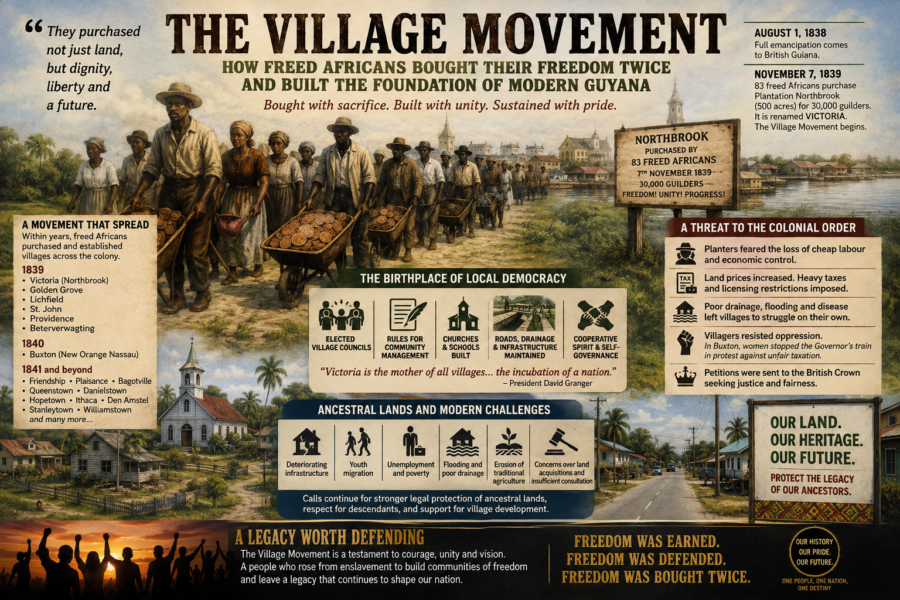
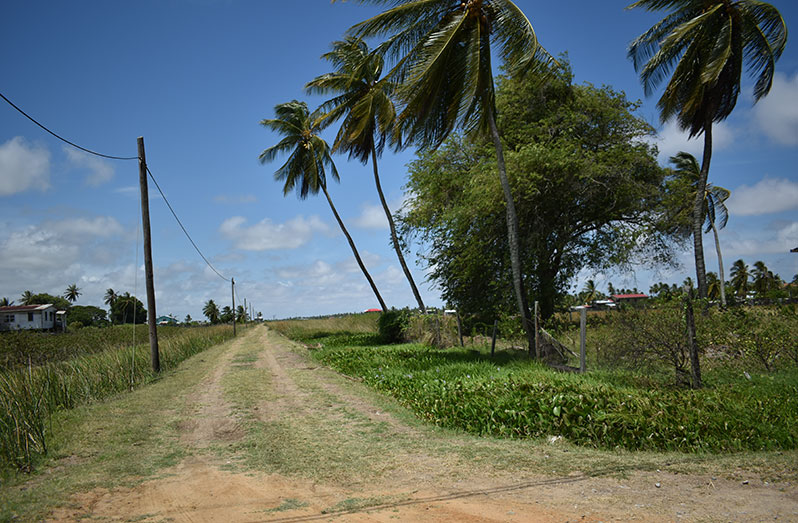
In Berbice, formerly enslaved Africans made a remarkable decision: they would buy the land. They pooled savings. They sacrificed. They negotiated. They purchased former plantations and transformed them into independent communities—with homes, farms, churches, schools and local economies.
The African Village Movement was not merely a search for somewhere to live. It was an economic revolt against dependence and a declaration that freedom had to mean more than the removal of chains.
Business
Finance
Need the bigger picture?
Share this article
Comments (0)
Download our mobile app
The portable companion to gazettE. Get notifications, track read articles, and more. The latest news from Trinidad and Tobago, in one place.