When Freedom Bought the Land: How Freed Africans Built Their Own Villages in Demerara
Finance
August 30, 2026
Share this article
Click to view full size
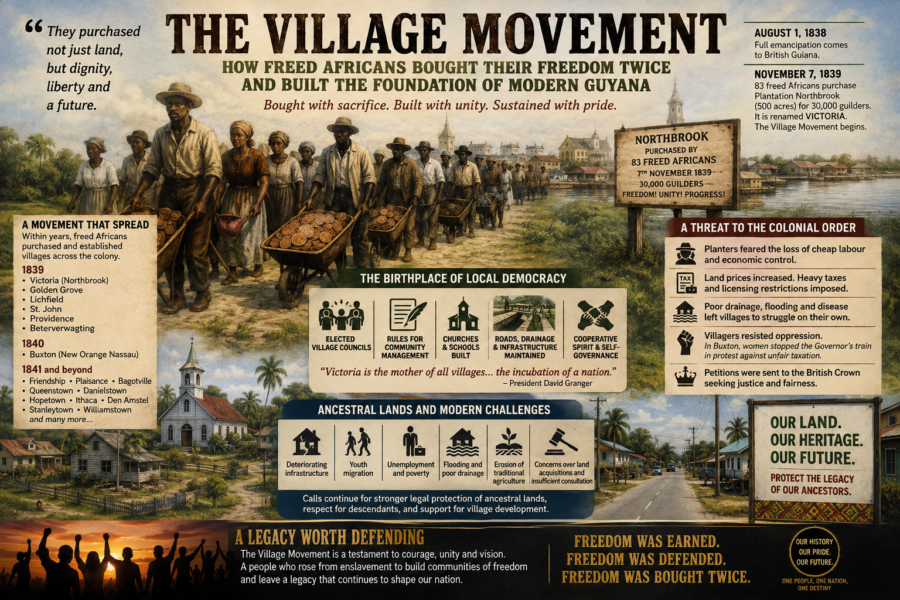
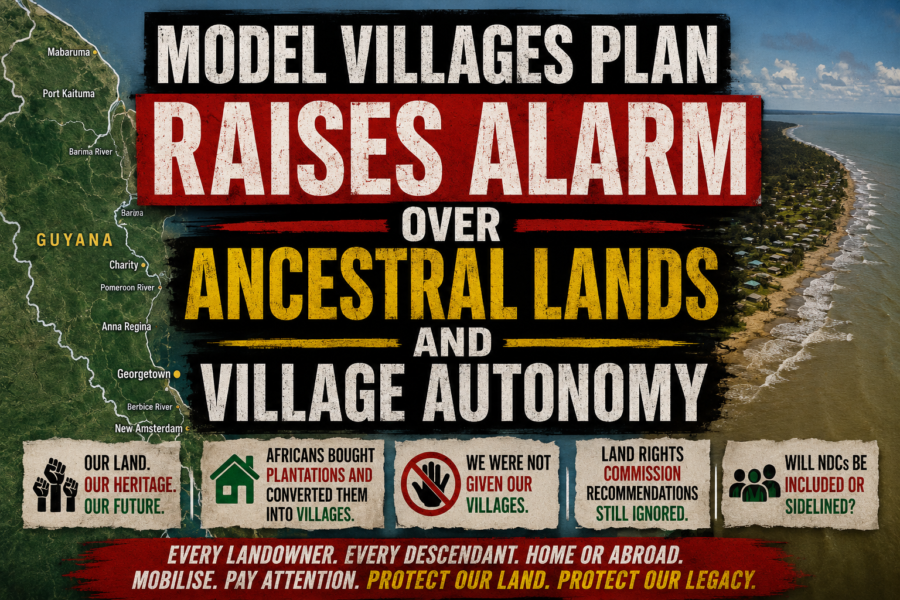
On August 1, 1838, freedom finally became a legal reality for thousands of Africans in British Guiana after centuries of enslavement. But emancipation did not come with land, wealth or economic security. Freedom had to be built.
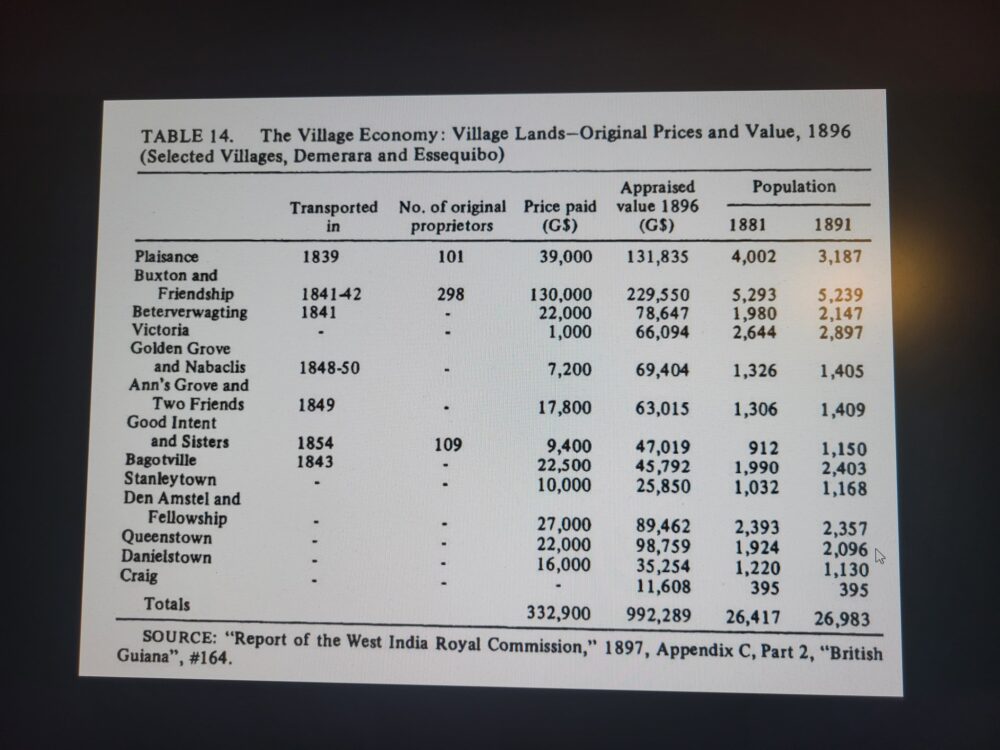
Across Demerara, formerly enslaved Africans responded with remarkable determination. They pooled their savings, purchased plantations and parcels of land, established homes and farms, and created villages that became the foundation of independent African communities. This was the African Village Movement, one of the most powerful expressions of economic self-determination in Guyana’s history.
The distinction between 1834 and 1838 is important. Emancipation was proclaimed in 1834, but the formerly enslaved population entered a four-year apprenticeship system. Full emancipation came on August 1, 1838, when apprenticeship ended. In the years that followed, Africans who had endured generations of plantation slavery began pursuing another kind of freedom, one grounded in land ownership and economic independence.
Finance
Need the bigger picture?
Share this article
Comments (0)
Download our mobile app
The portable companion to gazettE. Get notifications, track read articles, and more. The latest news from Trinidad and Tobago, in one place.