They Bought the Land: How Freed Africans Turned Emancipation Into Economic Freedom in Essequibo
Business
Finance
August 29, 2026
Share this article
Click to view full size
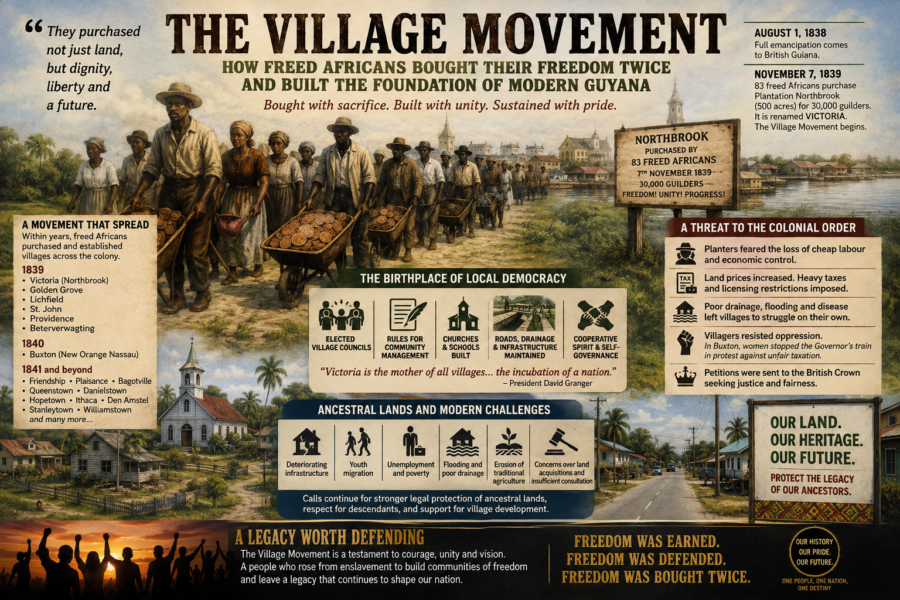
When slavery formally ended in British Guiana, freedom did not immediately mean independence. The Emancipation Act took effect in 1834, but most formerly enslaved adults were placed under a system of apprenticeship, requiring them to remain legally bound to plantation labour.
True freedom came on August 1, 1838, when apprenticeship ended. But emancipation did not bring land, wealth or economic security. Formerly enslaved Africans entered a society where property and economic power remained largely concentrated in the hands of others.
That left a defining question. What would they do with their freedom when many owned little or no land?
Business
Finance
Need the bigger picture?
Share this article
Comments (0)
Download our mobile app
The portable companion to gazettE. Get notifications, track read articles, and more. The latest news from Trinidad and Tobago, in one place.