Mohamed Gets His Own Voice in High Court Bail Battle
Legal
Politics
Crime
November 4, 2026
Share this article
Click to view full size
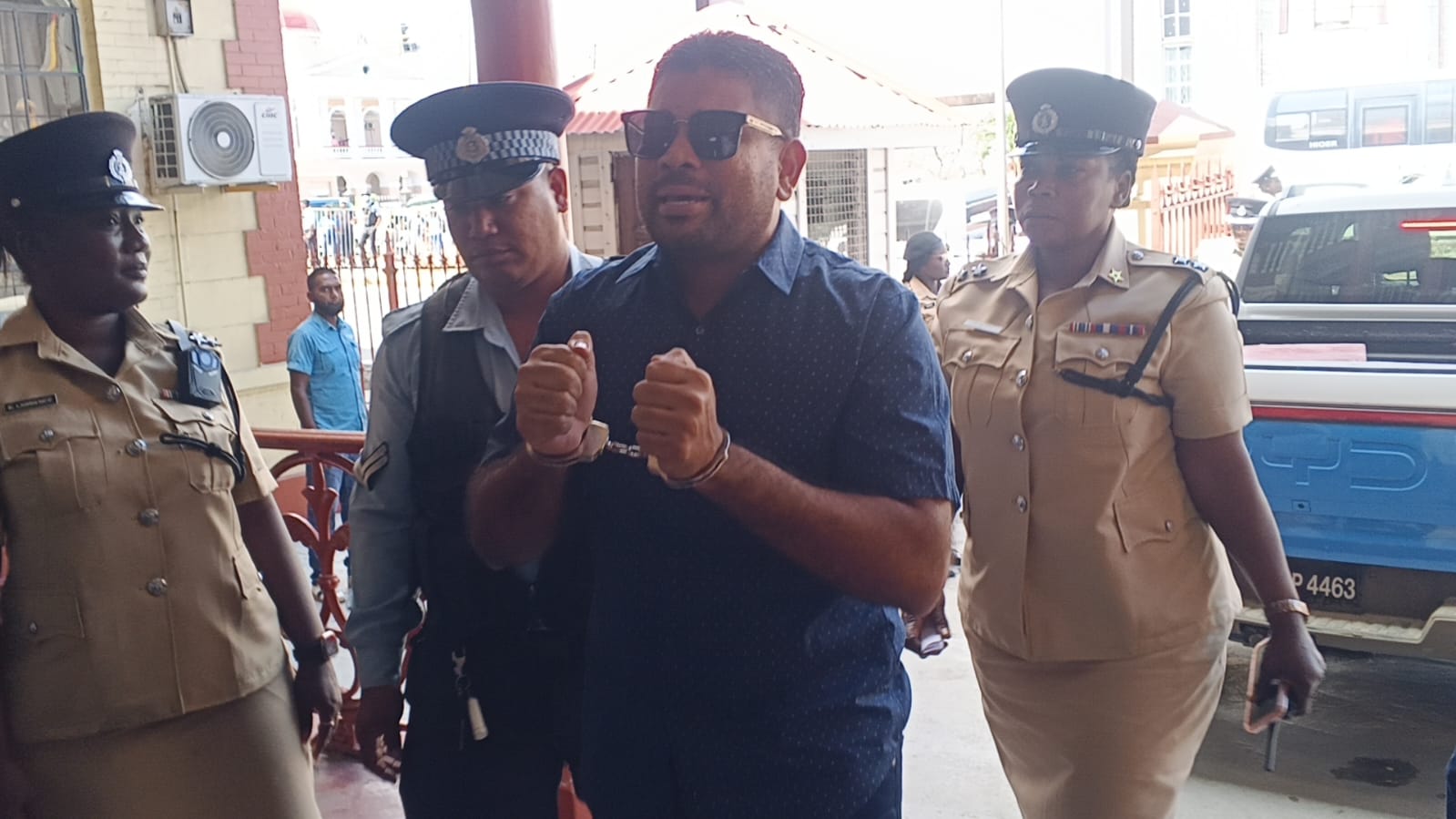
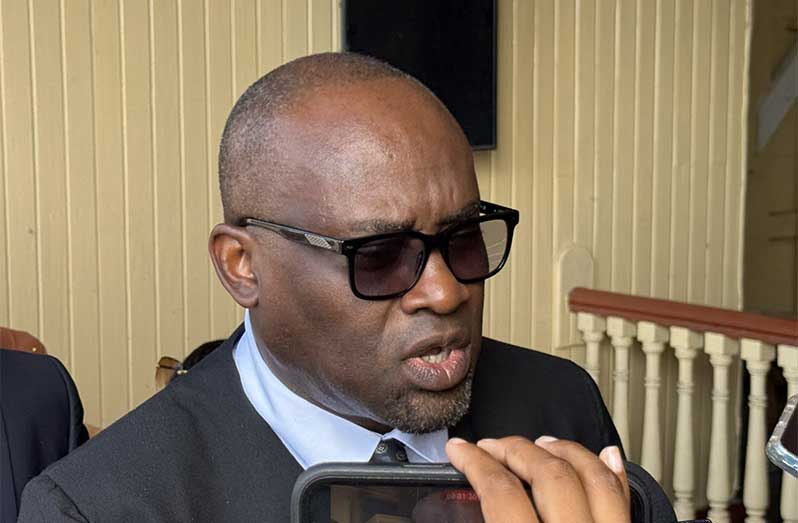
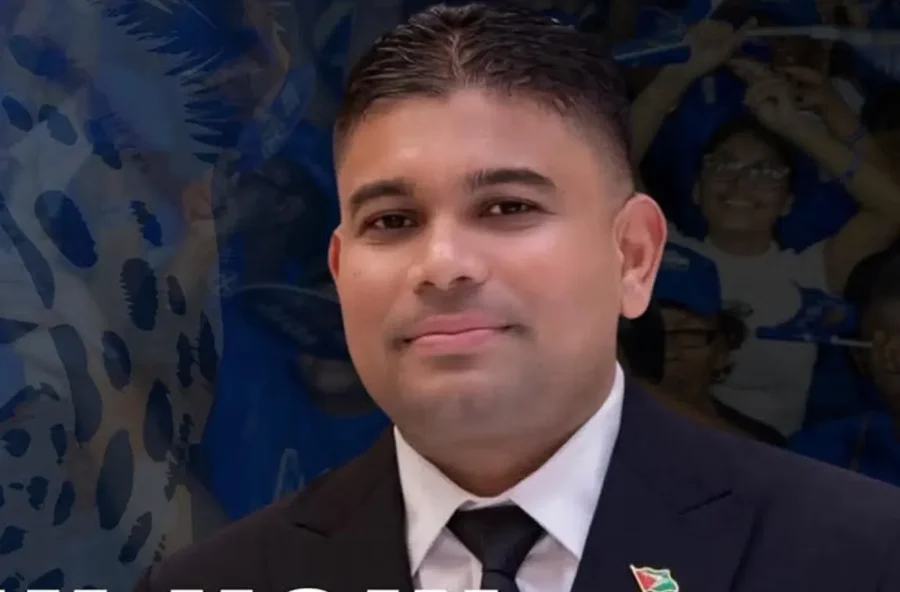
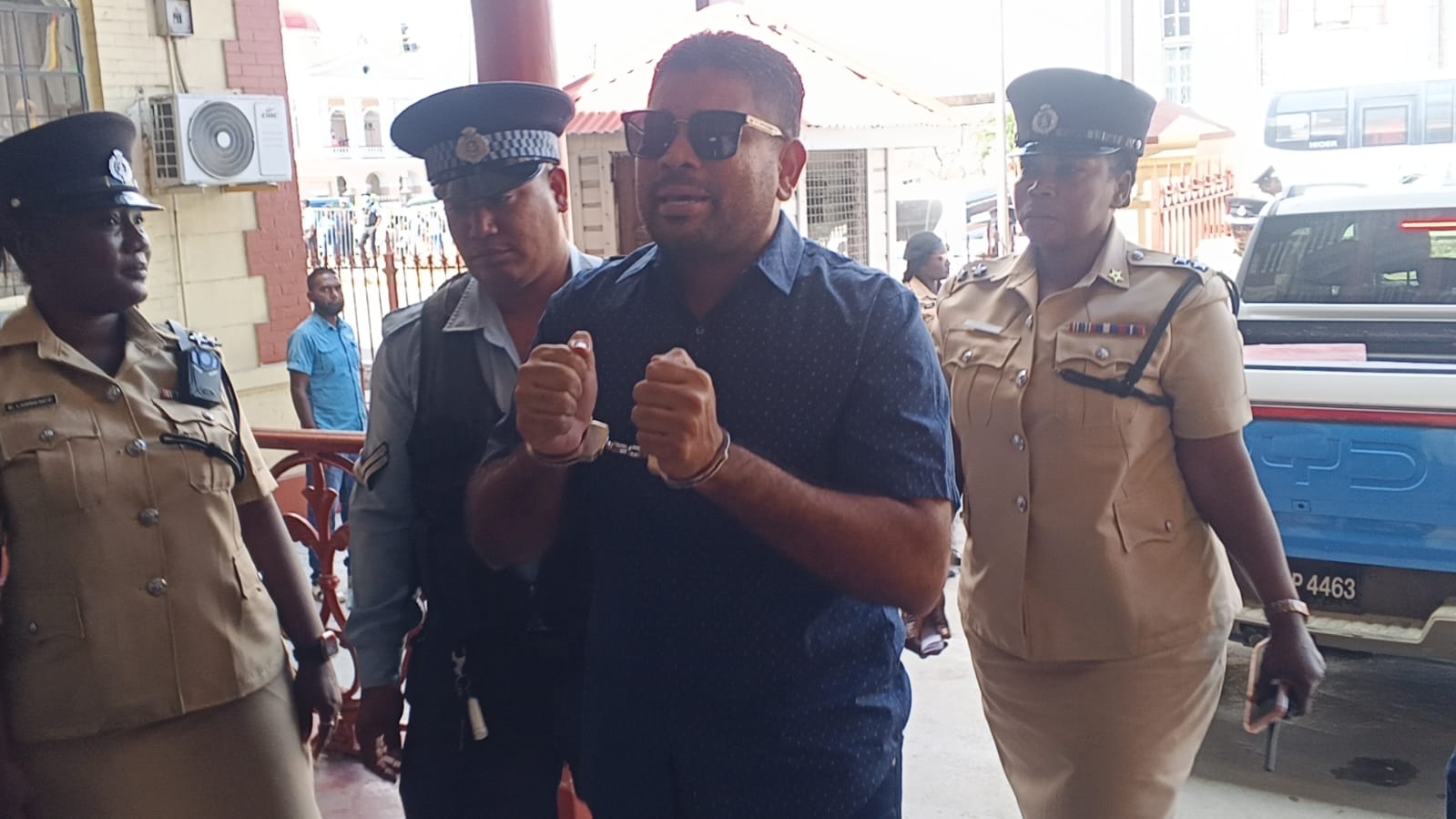
By Mark DaCosta- The High Court has ruled that Opposition Leader Azruddin Mohamed may swear an affidavit in his own name in support of his bail application, a procedural decision with real consequences for a case that rests on competing accounts. Delivered on Wednesday 4 November by Justice Priscilla Chandra-Hanif, the ruling lets Mr Mohamed answer, through attorneys Siand Dhurjon and Roysdale Forde S.C, the matters raised in the affidavit his mother, Bonita Mohamed, filed on his behalf. It also signals that the court intends to pare that earlier document back to what is strictly necessary, and that the State must keep his detention from becoming oppressive.
The question of removing parts of the application by Mohamed’s mother drew the sharpest exchange. Attorney General Anil Nandlall urged the court to strike out roughly 33 of the affidavit’s 50 paragraphs, describing them as scandalous, vexatious and beyond the deponent’s personal knowledge. Affidavits are meant to carry facts a witness can attest to directly, and courts routinely cut passages that drift into argument or hearsay. Allowing Mohamed to speak for himself offers a practical remedy, since the contested assertions can now be restated by the person best placed to make them. The judge will rule separately on what is deleted.
Full coverageChief Magistrate Judy Latchman Rejects US Bid to Revoke Azruddin Mohamed’s Bail8 reports


The route to this point began on 2 November, when Bonita Mohamed filed a Fixed-Date Application asking the High Court to quash Magistrate Abigail Gibbs’s decision of 30 October refusing her son bail, and to admit him to bail on terms set by the court. Her affidavit argued that the magistrate misread the Cybercrime Act. In her account, the prosecution’s own particulars cast Azruddin Mohamed as the recipient of footage rather than the person who accessed a protected computer system and passed the data on. She contended that he had lawful justification, because the cameras were public and the recordings bore on his defence to earlier charges. She also questioned the 25-day remand, saying it exceeded a 21-day limit under the Criminal Law Procedure (Paper Committals) Act 2024, and alleged apparent bias, citing a claimed relationship between the magistrate and a police officer involved in the investigation. None of these claims has yet been tested in court.
Legal
Politics
Crime
Need the bigger picture?
Share this article
Comments (0)
Download our mobile app
The portable companion to gazettE. Get notifications, track read articles, and more. The latest news from Trinidad and Tobago, in one place.