Speaker’s Reversal Blocks Parliamentary Scrutiny, Leaves Ministers Facing No Questions
Politics
November 13, 2026
Share this article

Click to view full size
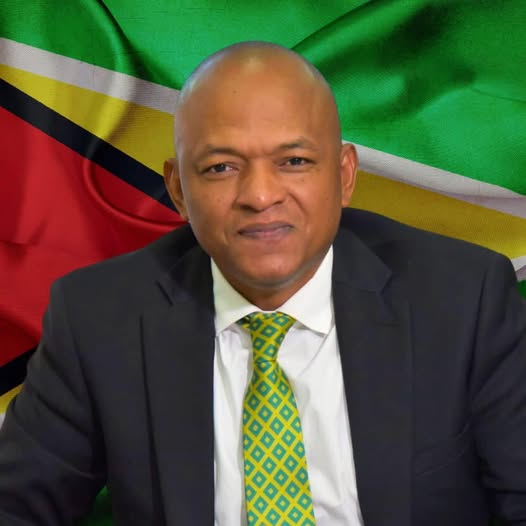
By Mark DaCosta- Disallowing a question does not answer it, and in our National Assembly that distinction now matters more than ever. On 12 November 2026, Sherod Duncan, the A Partnership for National Unity (APNU) Member of Parliament, protested the decision to strike out ten of his questions on labour shortages, the recruitment of foreign workers and a proposed electronic identity requirement for employment. His. argument is that the reversal, whatever its technical basis, shields ministers from scrutiny on policies that touch the livelihoods of ordinary Guyanese. It is an argument that deserves serious attention.
The questions were Notice Papers 33 to 35 and 38 to 44. By Duncan’s account, they were published on 13 January and circulated to Members by the Clerk’s Office on 21 January. A letter dated 5 November then informed him that they were disallowed under Standing Order 20(1)(k), because they rested on statements made in the media.
The delay is the first thing worth examining. Nearly ten months separate circulation from disallowance. If the questions were defective, one must ask why the defect surfaced only after they had passed through the Clerk’s office and reached Members’ hands.
Politics
Need the bigger picture?
Share this article
Comments (0)
Download our mobile app
The portable companion to gazettE. Get notifications, track read articles, and more. The latest news from Trinidad and Tobago, in one place.