Guyana meets with OpenAI on delivering smarter, faster healthcare
Health
Politics
September 22, 2026
Share this article
Click to view full size
…as AI now in use at 21 health facilities; further rollout planned
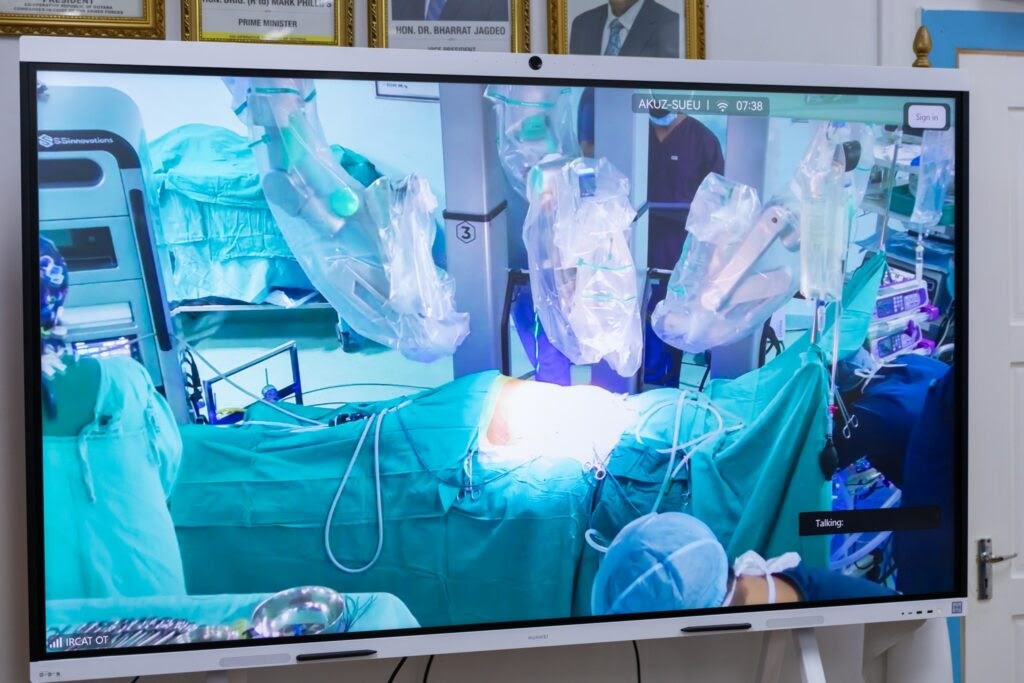
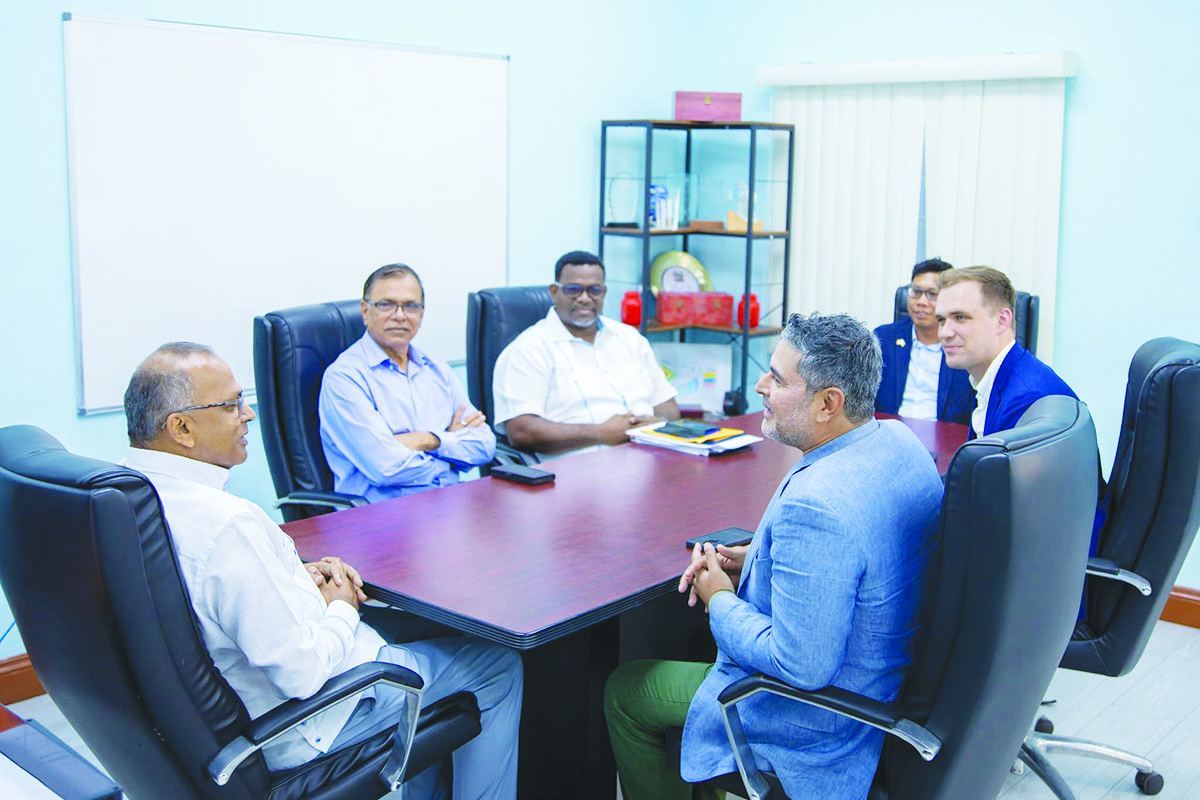
Health Minister Dr Frank Anthony, met with a visiting team from OpenAI to explore how this technology can help the Guyana Government deliver smarter, faster and better healthcare across Guyana. OpenAI is an artificial intelligence (AI) research and deployment company that creates advanced AI systems, most notably the ChatGPT conversational assistant. A brief statement from the Minister via his Facebook Page following the meeting noted, “from supporting our doctors and nurses to improving diagnostics, health data, training and patient care, the possibilities are significant. Our goal is simple: use technology responsibly to improve health outcomes for every Guyanese. The future of healthcare is here and Guyana will be ready”. No other information on the recent meeting was released to the press. Nonetheless, AI is currently operational at 21 health facilities across the country, with plans to expand the technology to 15 additional sites in the coming months. This is according to the recently released 2026 Mid-Year Report, which highlighted the continued use of technology to modernise the delivery of healthcare services. Already, AI systems have been deployed to interpret medical images (X-rays, CT scans, and ultrasounds). At facilities like the Enmore Regional Hospital, the AI software flags abnormalities and pathologies within seconds, allowing doctors to review priority cases rapidly. The introduction of AI complements the Government’s telemedicine programme, which is designed to bridge the gap between coastal regions and isolated hinterland or riverine communities. The Mid-Year report noted that some 50 new telemedicine sites were installed in regions One, Two, Seven, Eight, Nine and 10, to enhance the remote delivery of healthcare services with an additional 70 sites proposed for the second half of the year in regions One, Three, Four, Five, Six, Seven, Eight, Nine and 10. Meanwhile, as of efforts to modernise the health sector and improve access to healthcare, the Government has also begun introducing drone and robotic technology. “We have begun utilising drone technology to deliver essential medical supplies along with the use of robotic technology to improve speciality care,” the report outlined. Additionally, to ensure the timely and adequate supply and delivery of drugs and medical supplies, the Onderneeming and Bamia regional distribution centres have been completed while three additional regional distribution centres in Mabaruma, Williamsburg and Lethem are slated for completion in the second half of the year. According to the Mid-Year Report, these centres will utilise a newly designed fully digitised supply chain management system aimed at reducing waste, improving logistics, stock management and distribution countrywide. Further embracing technology in healthcare, the Government has also launched an online portal for patient feedback to help strengthen service delivery and ensure accountability within the health system. Additionally, works are advancing on the Electronic Health Records (EHR). “In 2026, the roll out of EHR continued at the Festival City Polyclinic, where more than 5,900 patients’ profiles have been created to improve monitoring of patient treatment and reduce paper based medical records through digitalisation. Moreover, the Georgetown Public Hospital Corporation (GPHC) continued to expand their rollout with medical, surgical and paediatric records being digitally recorded by the end of 2026, while training and testing infrastructure readiness to reduce service disruption risks is ongoing,” the report highlighted.
Health
Politics
Need the bigger picture?
Share this article
Comments (0)
Download our mobile app
The portable companion to gazettE. Get notifications, track read articles, and more. The latest news from Trinidad and Tobago, in one place.