OPED - The braking of the pendulum: Lula’s victory and the geopolitics of the Global South
Politics
November 8, 2026
Share this article

Click to view full size
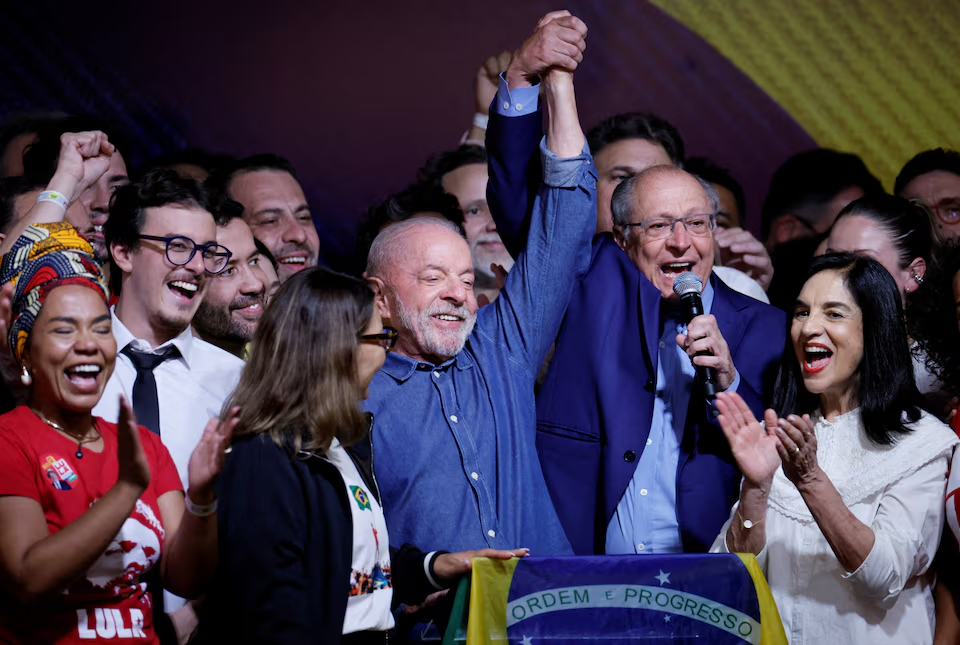
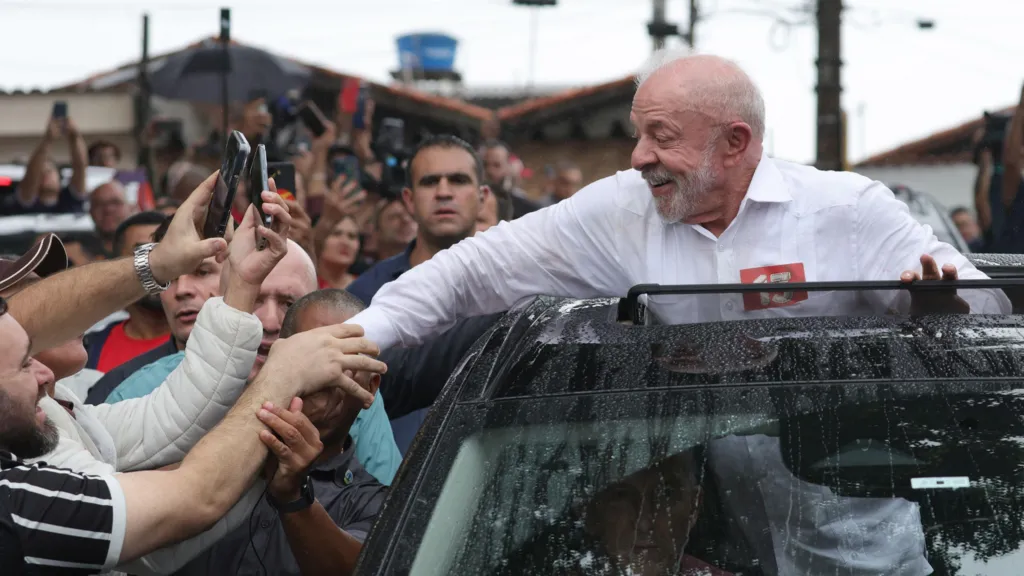
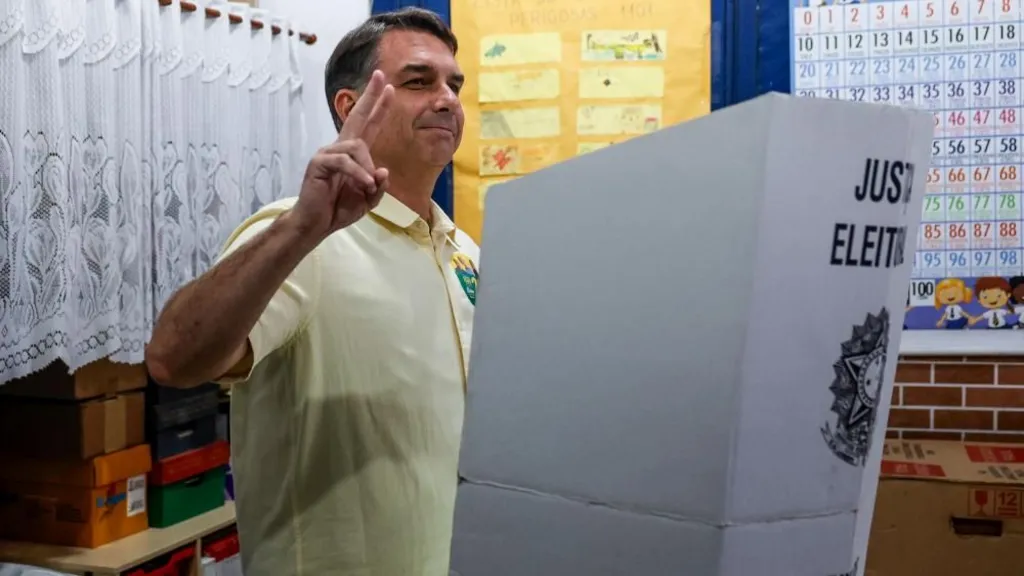
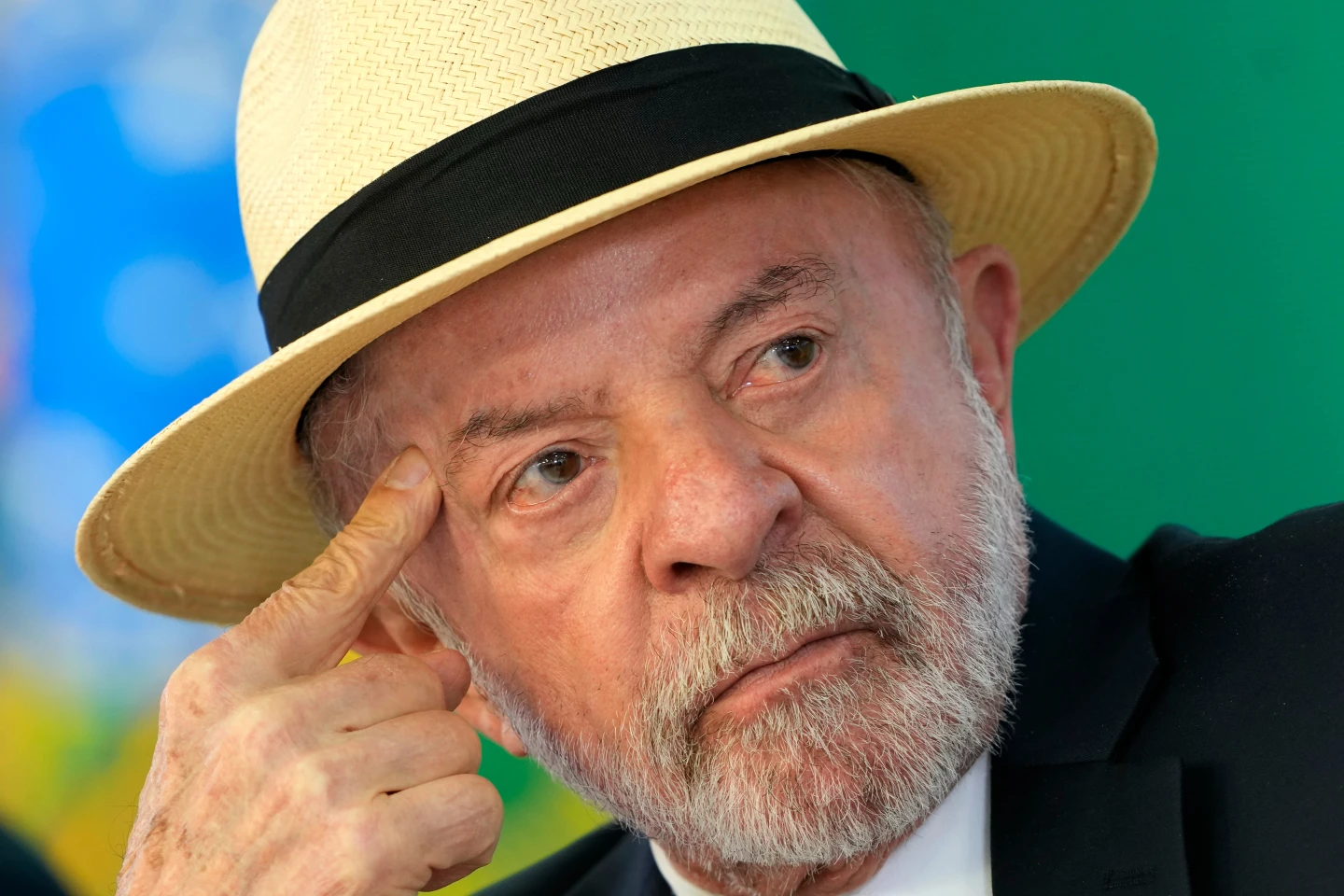
(Kaieteur News) – On October 25th, Brazil’s electoral authority confirmed what had felt, until the final tally of the second round, like a hair-raising political thriller. Luiz Inácio Lula da Silva secured his fourth term as president with 51.8% of the valid votes, narrowly edging out Senator Flávio Bolsonaro.
Trailing by over two million votes in the first round, Lula staged a remarkable comeback, ultimately securing victory by a margin of 4.4 million. In the grand theatre of Latin American politics, the triumph in the region’s economic powerhouse halted—at least for now—what had threatened to become an inexorable rightward drift across the continent.




In recent years, the political map of Latin America has turned distinctly blue. Javier Milei’s ascent in Argentina, the end of two decades of left-wing rule in Bolivia, and the unseating of left-of-centre governments in Chile and Peru all signaled a rising conservative tide. Yet Brazil remains the heaviest domino on the board. Lula’s victory decisively interrupts the narrative of a conservative clean sweep.
Politics
Need the bigger picture?
Share this article
Comments (0)
Download our mobile app
The portable companion to gazettE. Get notifications, track read articles, and more. The latest news from Trinidad and Tobago, in one place.