Dr. Karen Abrams: MV Barima Tragedy Is the Human Cost of Failed Systems, Broken Trust, Years of Neglect
Politics
August 2, 2026
Share this article
Click to view full size
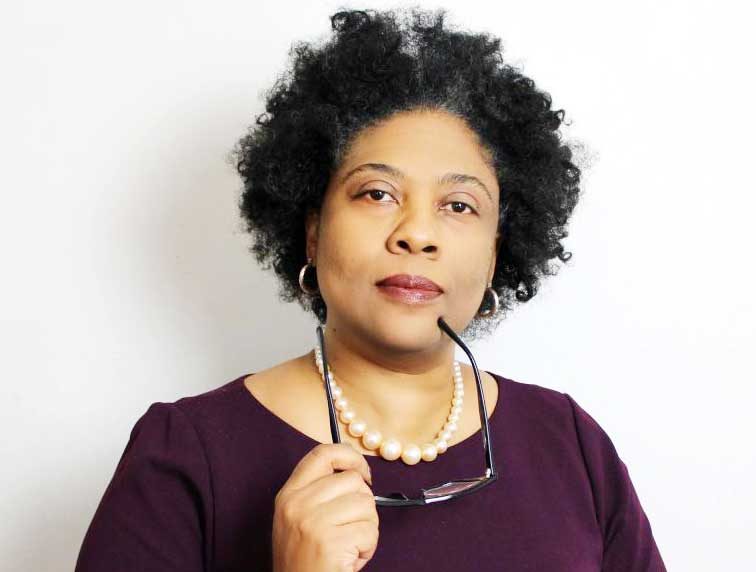
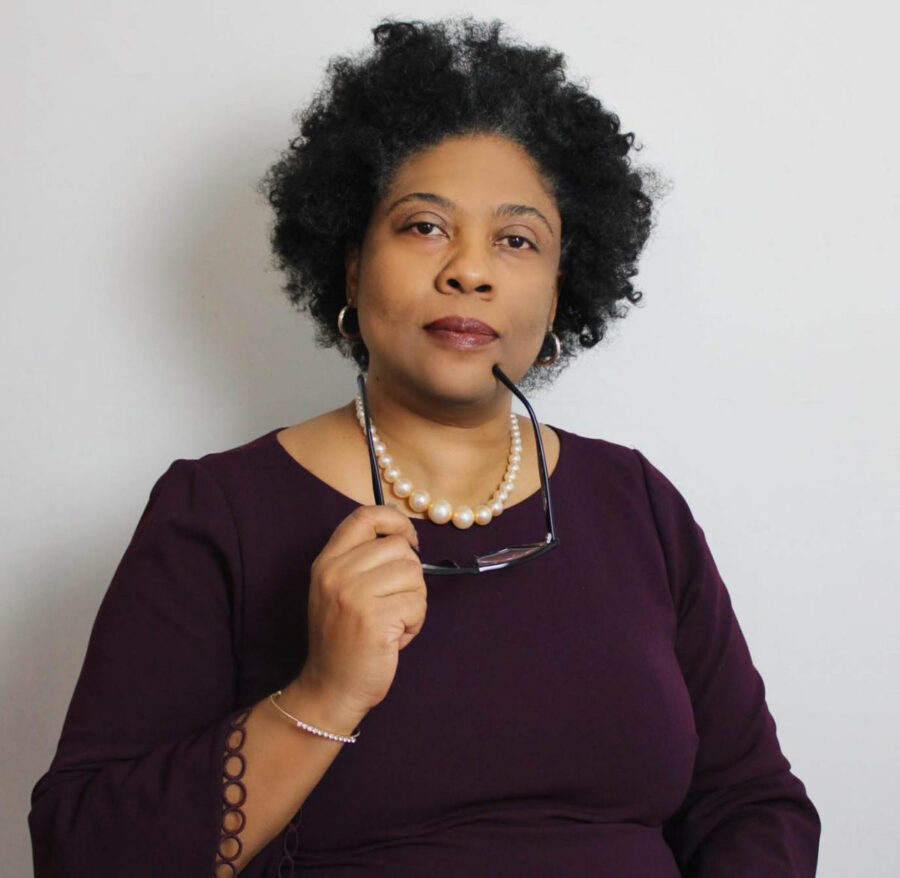
The sinking of the MV Barima was not simply a maritime disaster. It was the devastating culmination of years of neglected infrastructure, weak public systems, poor planning and governance failures that have left an entire nation mourning, according to STEMGuyana Executive Director Dr. Karen Abrams.
In a poignant commentary published in the Kaieteur News under the title “We Are Living the Consequences,“ Abrams argues that the tragedy has exposed profound weaknesses in governance and forced Guyana to confront the human cost of deferred decisions, ignored warnings and deteriorating public systems.
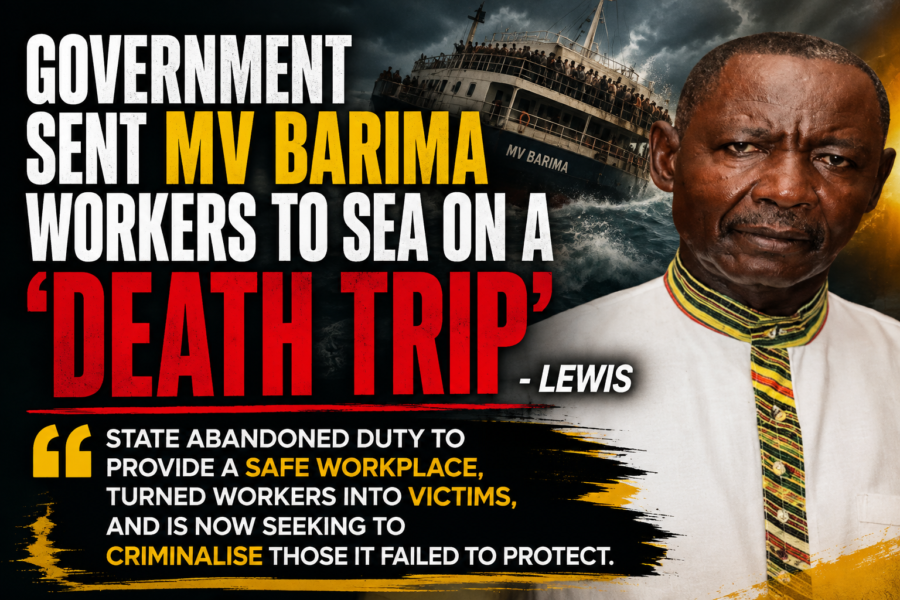
The MV Barima capsized late on July 18 while en route from Georgetown to Port Kaituma, Region One, with an estimated 179 passengers and crew on board. According to official figures, 76 people were rescued, 73 bodies have been recovered and approximately 30 remain unaccounted for. One of Guyana’s deadliest maritime disasters, the tragedy devastated families—particularly in Indigenous communities in the North West—and sparked nationwide mourning, protests demanding accountability and heightened scrutiny of the Government’s handling of maritime safety and the crisis response.
Politics
Need the bigger picture?
Share this article
Comments (0)
Download our mobile app
The portable companion to gazettE. Get notifications, track read articles, and more. The latest news from Trinidad and Tobago, in one place.