World Diabetes Day: Guyana Confronts a Preventable Health Crisis
Health
November 10, 2026
Share this article
Click to view full size
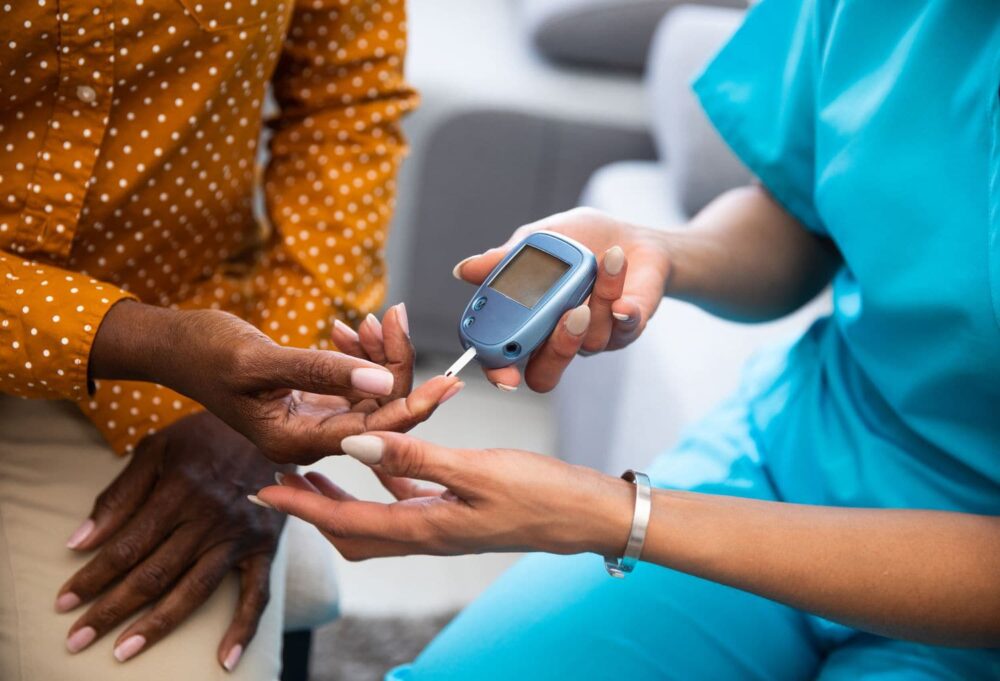
By Mark DaCosta-Diabetes has spread across the globe faster than most people realise, and it is now hitting low- and middle-income countries hardest. For Guyana, where national blood testing has revealed a far larger burden than earlier estimates suggested, World Diabetes Day, marked on 10 November, is a reminder that the disease is largely preventable and manageable. It is also a warning that the cost of neglect falls on families, rural communities and the public purse.
When the United Nations General Assembly designated the day in 2007, it spoke of “the urgent need to pursue multilateral efforts” on health. Nearly two decades later, the urgency has only deepened. In 1980, roughly 108 million adults lived with the condition. By 2014 the figure had climbed to about 422 million, lifting the share of adults affected from 4.7 per cent to 8.5 per cent. Public health experts link the surge to rising rates of excess weight and obesity.
To understand why this matters, it helps to understand the biology. After a meal, the body breaks food down into glucose, the sugar that fuels every cell. The pancreas releases insulin, a hormone that acts like a key, unlocking cells so glucose can enter. Diabetes develops when that system fails. In Type 1, which often appears in childhood, the body stops making insulin almost entirely, and patients depend on daily injections to survive. In Type 2, by far the most common form, the body still produces insulin but cannot use it effectively, usually because of excess weight and physical inactivity.
Health
Need the bigger picture?
Share this article
Comments (0)
Download our mobile app
The portable companion to gazettE. Get notifications, track read articles, and more. The latest news from Trinidad and Tobago, in one place.