Safe after dark
Legal
Crime
November 18, 2026
Share this article
Click to view full size
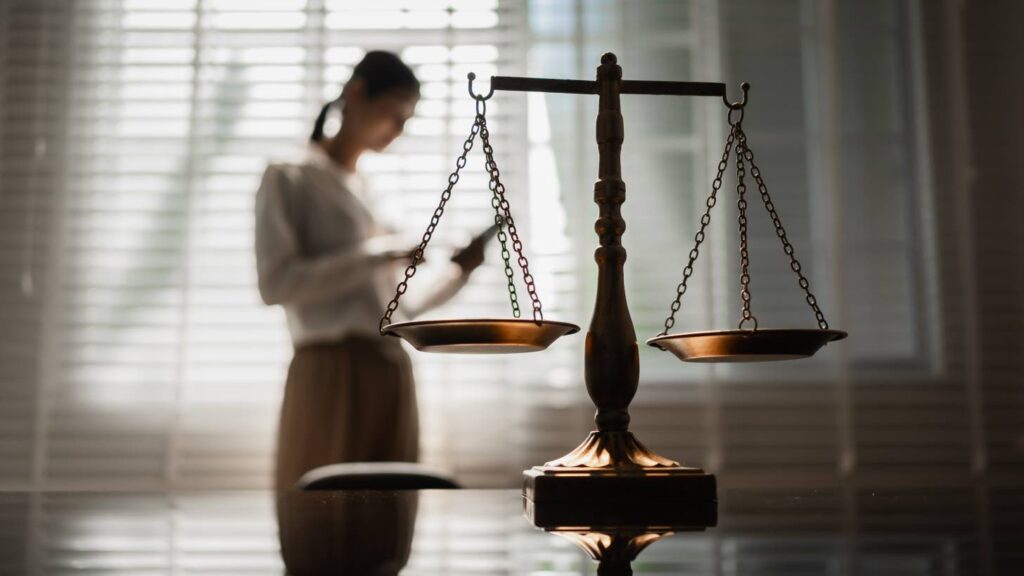
Where a female employee is required to work alone at night in circumstances that expose her to a foreseeable risk of sexual assault or other criminal harm, the employer’s ordinary duty to take reasonable care may require heightened precautions. This could include a duty to take measures that might not be necessary if they were employing a man to do the same job.
At the beginning of the 20th century, the law viewed night work as a danger from which women needed protection. The International Labour Organization’s (ILO) Night Work (Women) Convention, 1919 (Convention Number 4) generally prohibited women from working at night in industrial workplaces.
Jamaica’s Women (Employment of) Act, 1942, reflected a similar approach by restricting women from undertaking night work in industrial workplaces. While the law was intended to protect women, it also limited access to certain jobs, overtime opportunities and career advancement. This Act was repealed in 2014 by the Employment (Flexible Work Arrangements) (Miscellaneous Provisions) Act.
Read the full story
Continues on Jamaica Observer
Legal
Crime
Share
Need the bigger picture?
Comments (0)
Download our mobile app
The portable companion to gazettE. Get notifications, track read articles, and more. The latest news from Trinidad and Tobago, in one place.