FAO Food Outlook: Global food commodity supplies remain generally ample, but risks are mounting
Business
Finance
November 24, 2026
Share this article
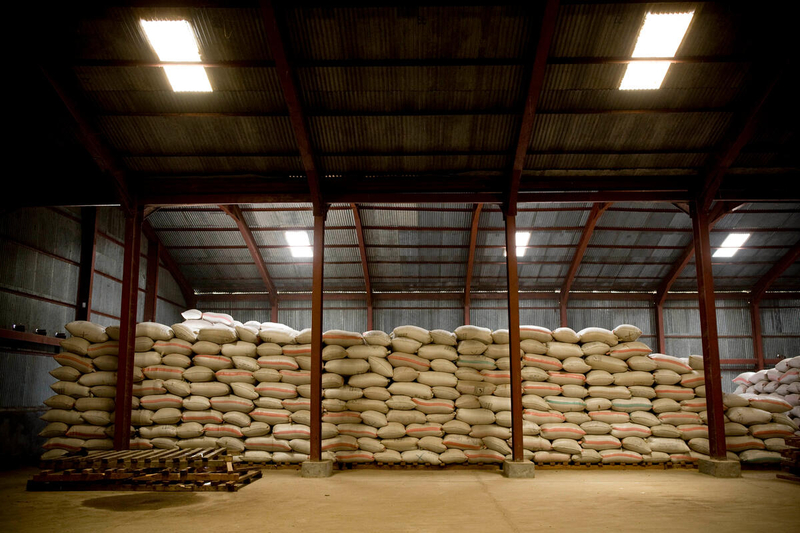
Click to view full size
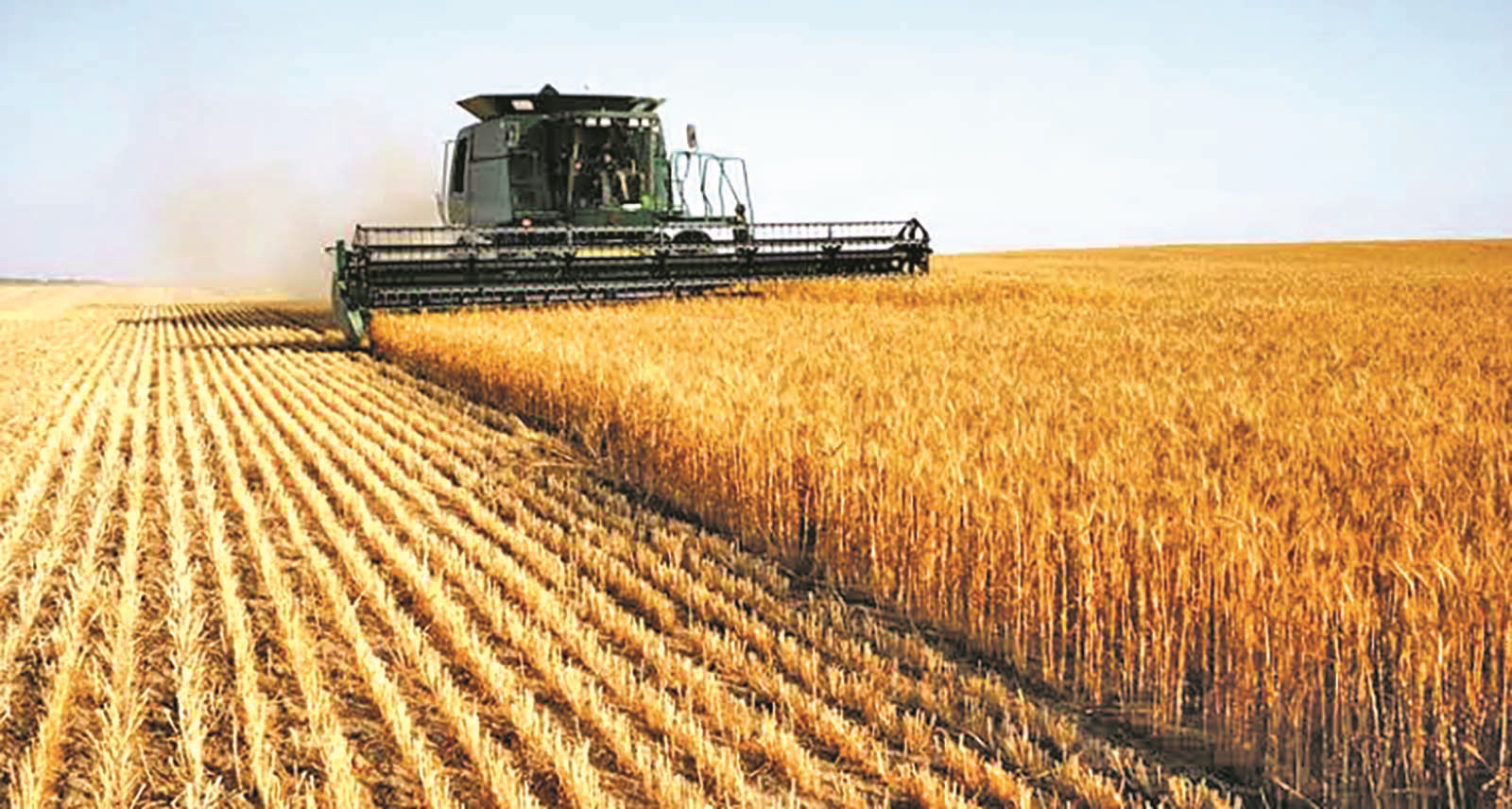
Global agricultural commodity supplies remain generally comfortable, particularly for wheat and coarse grains, although tighter balances are emerging for rice, sugar and vegetable oils. Commodity markets and trade flows nevertheless remain exposed to weather conditions, logistical disruptions and policy uncertainty, according to a new report published today by the Food and Agriculture Organization of the United Nations (FAO).
The Food Outlook also expects a slowdown in the rate of increase of the global food import bill in 2026, driven largely by lower international prices of coffee and cocoa. The biannual publication provides updated market assessments and forecasts for the production, utilization, trade, and stocks of major food commodities including cereals, oil crops, sugar, meat, dairy products, fisheries and aquaculture products. The new edition offers additional insights into fertilizer production, utilization and trade trends, how conflict-driven disruptions in the Black Sea are reshaping trade routes, and special features focusing on whey, olive oil and livestock feed costs.
— Global cereal stocks are forecast to rise by 1.8 percent, by the close of seasons in 2027, largely reflecting an accumulation of wheat inventories in the Russian Federation and Ukraine, where export disruptions are constraining shipments.
Read the full story
Continues on Kaieteur News
Business
Finance
Share
Need the bigger picture?
Comments (0)
Download our mobile app
The portable companion to gazettE. Get notifications, track read articles, and more. The latest news from Trinidad and Tobago, in one place.