Banks do not use currency to make payments
Business
Finance
September 4, 2026
Share this article
Click to view full size
MOST payments in any modern economy are made to and from accounts held at banks and other financial institutions which carry out banking functions, such as credit unions. Credit and debit cards, cheques, online payments, standing orders, digital wallets and mobile payments systems are all different ways to make payments to and from accounts held at banks. All bank payments are made by subtracting value from the purchaser’s bank account and adding that value to the seller’s bank account, irrespective of the method used to make the payment. No currency is involved in this process.
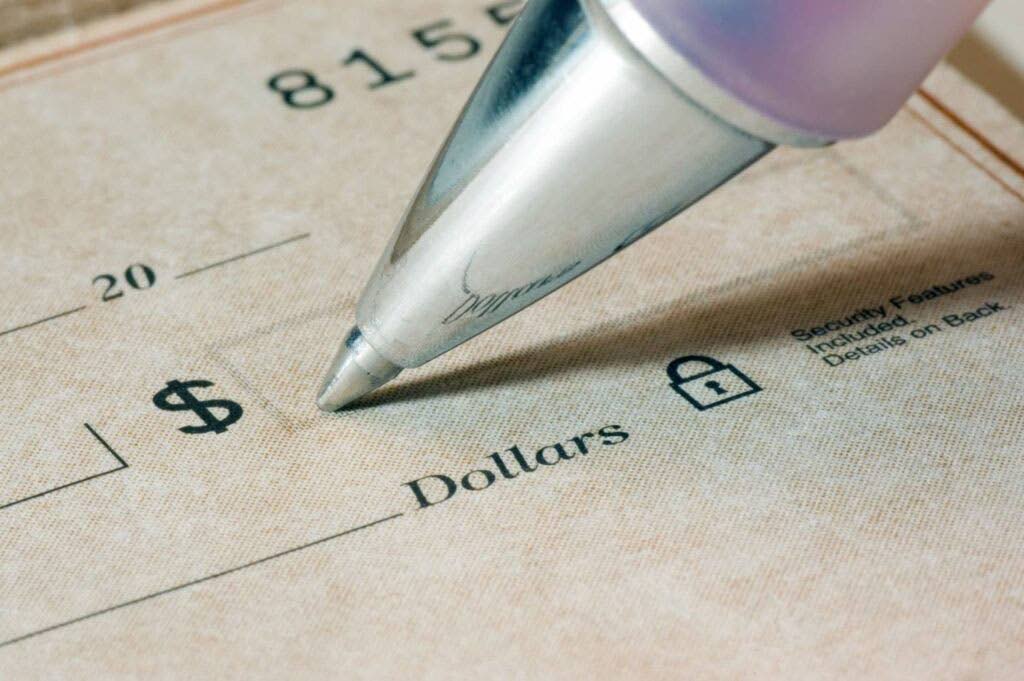
The money that we have in the bank is real, but it is not currency. We receive our salaries, pension payments and other income in the form of cheques and bank transfers from our employers, companies we have worked for, the National Insurance, pension funds and other sources. That value is lodged to our account at the bank and the bank deducts value from that account to pay our mortgage, our rent, loan payments, standing orders, online payments and debit card purchases. Any cheques we write are instructions to the bank to deduct value from our account and transfer to the account of the person who deposits the cheque. All bills are paid and all transfers are completed without the use of a single dollar bill.
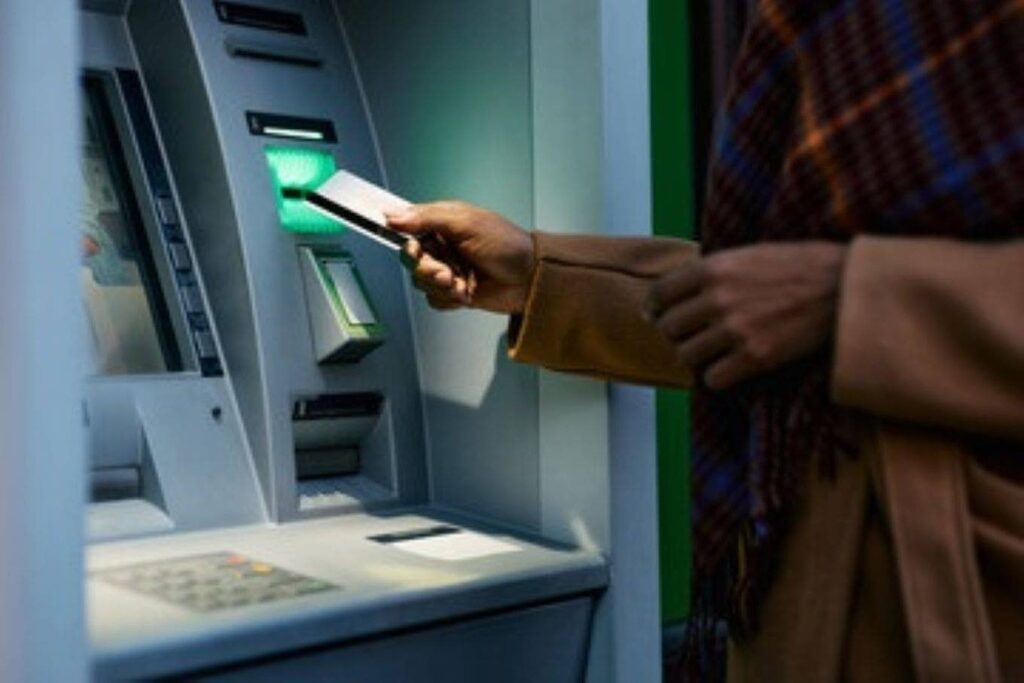
The payments process is the same whatever the means of payment. When I tap my Scotiabank debit card to pay for a meal at a restaurant that banks with CIBC, that action sends a signal to my bank to deduct the price of the meal from my account and a signal to CIBC to add that value to the restaurant’s account. The payment is done by means of a message. Nowadays the instructions for transfer of value are all sent electronically.
Business
Finance
Need the bigger picture?
Share this article
Comments (0)
Download our mobile app
The portable companion to gazettE. Get notifications, track read articles, and more. The latest news from Trinidad and Tobago, in one place.