Under the Guise of Preservation: Guyana’s Heritage Bill Is Coming for Indigenous Land, and Almost No One Is Watching
Politics
Legal
November 13, 2026
Share this article
Click to view full size
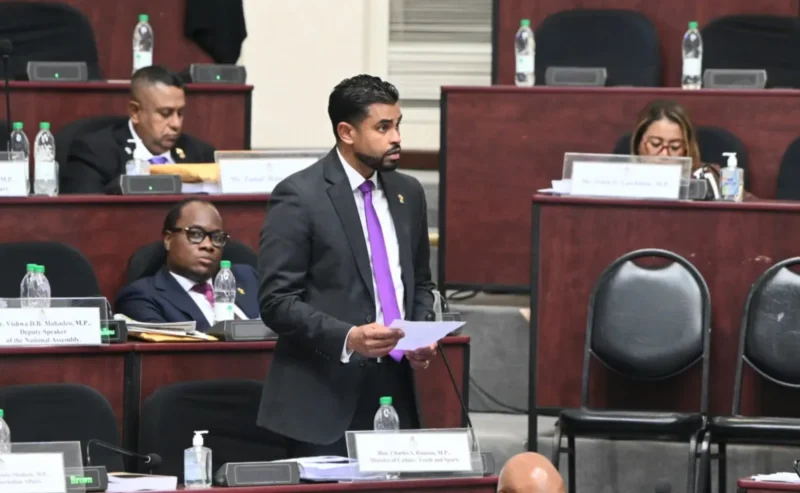
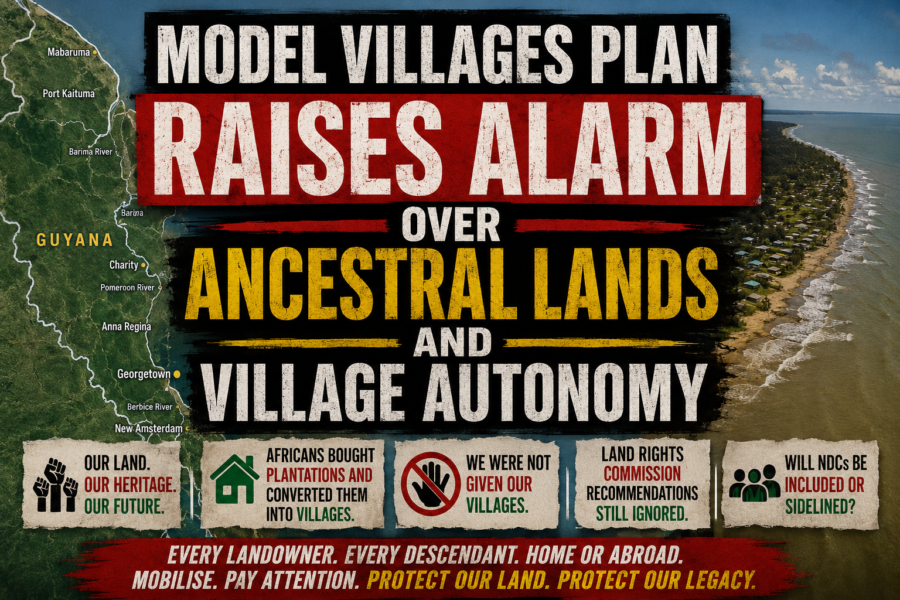
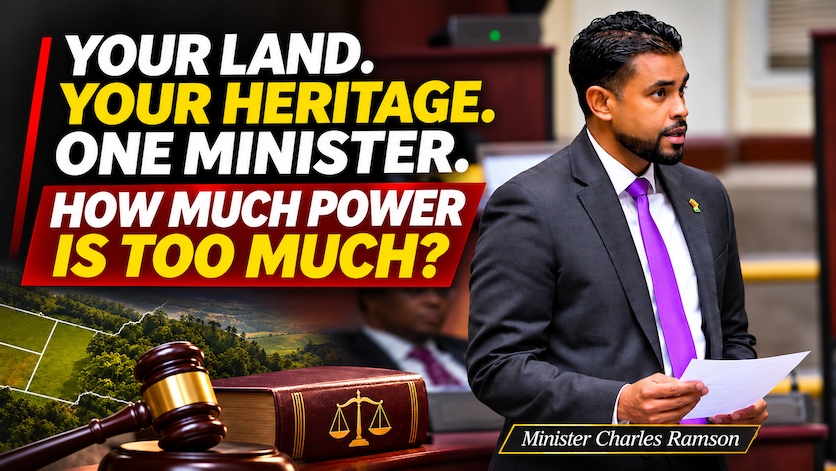
Guyana’s National Heritage Preservation Bill 2026 is being presented as legislation to protect our country’s historical and cultural heritage. But a careful reading of the bill reveals something that should concern every Guyanese, particularly our Indigenous communities. Behind the language of preservation are sweeping powers to control how land is used, restrict activities on privately owned property, seize heritage objects and, under certain circumstances, compulsorily acquire land. The bill places extraordinary authority in the hands of the Minister responsible for cultural affairs, while leaving serious questions about Indigenous consent, community rights and independent oversight unanswered.
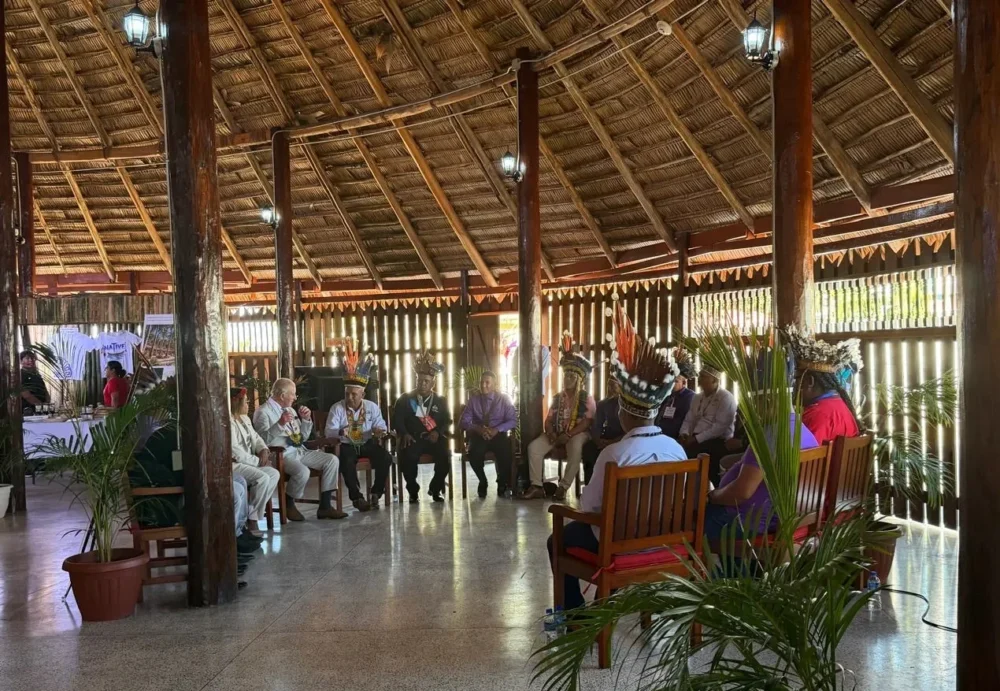
First, consider the treatment of Indigenous heritage. Section 2 defines “national heritage” to include “any Amerindian cultural heritage”. The bill also defines cultural heritage broadly enough to include matters associated with the prehistoric, historic or contemporary ways of life of Guyanese. Traditions and cultural practices may also fall within the legislation where they are connected to tangible heritage.

Related coverageGlobal Biodiversity Alliance Convenes in Georgetown to Advance Biodiversity Financing31 reports

What does this mean for Indigenous communities whose cultural heritage is inseparable from their land, sacred places and traditional practices? The bill appears to recognise Amerindian cultural heritage as national heritage from the outset, but it does not clearly explain how Indigenous communities will exercise their right to consent to decisions affecting that heritage. Nor does it clearly explain how the usual procedures for assessing and declaring specific heritage sites will apply to heritage already included within the statutory definition.
Politics
Legal
Need the bigger picture?
Share this article
Comments (0)
Download our mobile app
The portable companion to gazettE. Get notifications, track read articles, and more. The latest news from Trinidad and Tobago, in one place.