1823 Demerara Rebellion: The Revolt That Shook the British Empire
Politics
August 22, 2026
Share this article
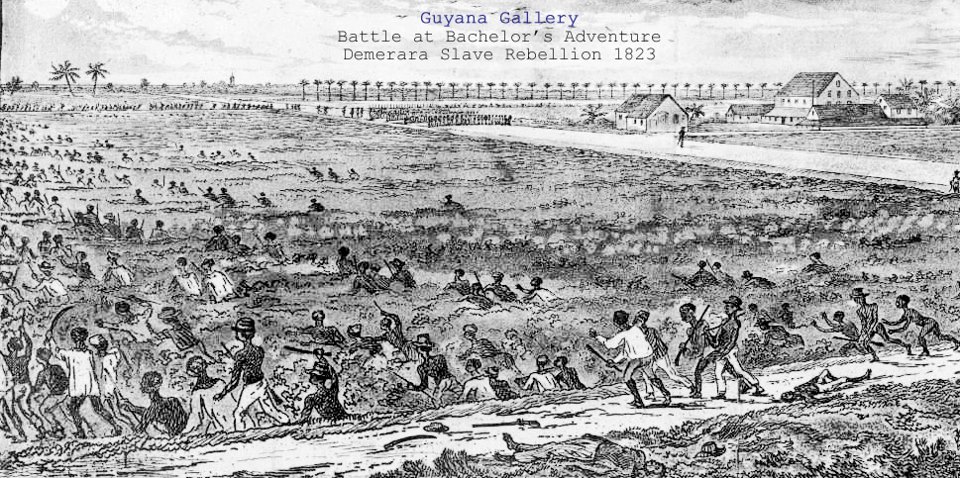
Click to view full size
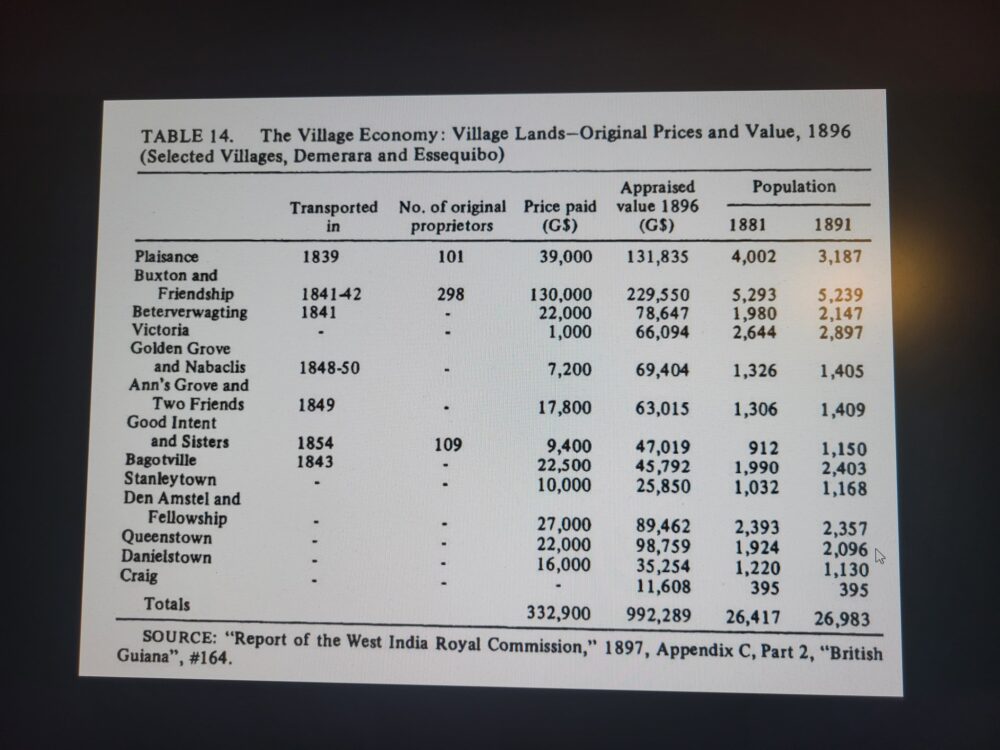
In August 1823, thousands of enslaved Africans in Demerara made a choice that carried enormous risk: they refused to accept slavery as their fate. For generations, they had been treated as property, denied freedom and subjected to a system enforced by violence. Then, across the plantations of Demerara, they rose.
The Demerara Rebellion of 1823 was crushed with extraordinary brutality. Hundreds of enslaved people were killed or executed, while others were captured, imprisoned or hunted down. Its leaders paid a devastating price. But the rebellion could not be erased with bloodshed.
Its significance travelled far beyond the plantations where it began. The uprising exposed, in stark terms, the violence required to sustain slavery and intensified the debate over the institution in Britain. The events in Demerara strengthened abolitionist pressure and became part of the wider struggle that ultimately contributed to the Slavery Abolition Act of 1833.
Politics
Need the bigger picture?
Share this article
Comments (0)
Download our mobile app
The portable companion to gazettE. Get notifications, track read articles, and more. The latest news from Trinidad and Tobago, in one place.