Selective justice and the crisis of international law
Legal
Politics
May 22, 2026
Share this article

Click to view full size
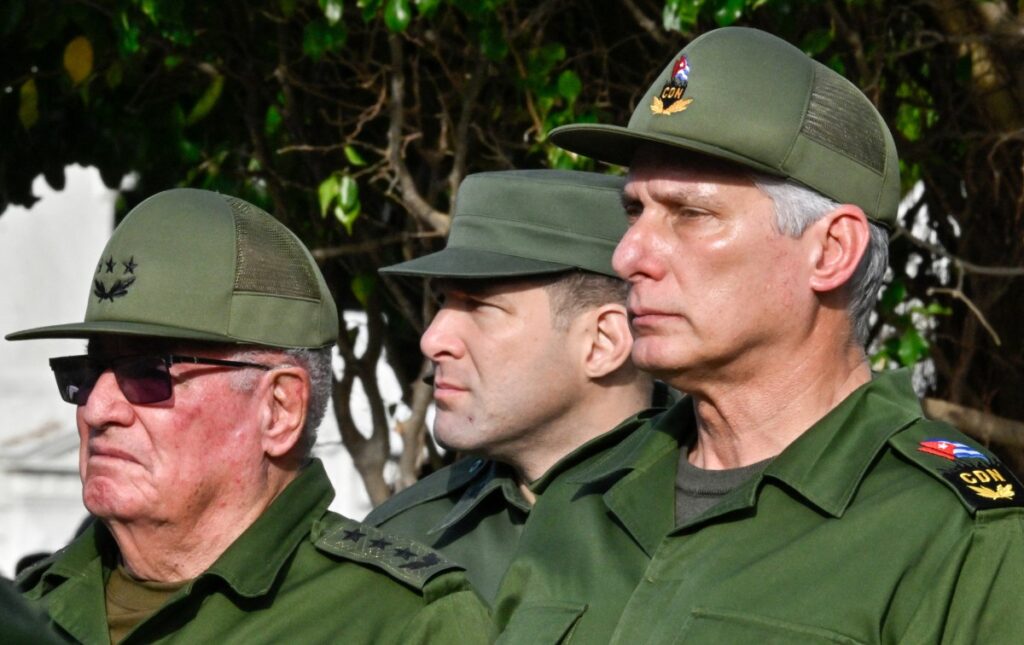
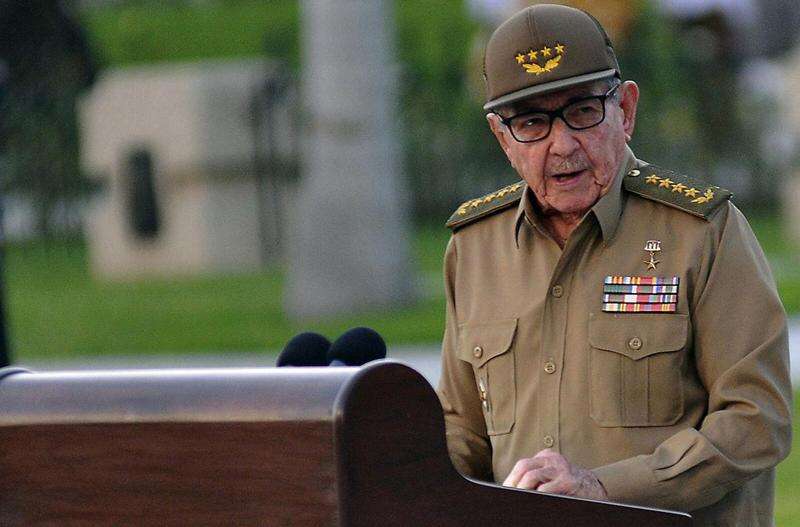
Recent coverage of a US federal indictment against former Cuban leader, 94-year-old Raúl Castro over the 1996 downing of a civilian aircraft has reignited debate about the enforcement of international justice. For many, the move represents a necessary, though delayed, effort to hold a powerful political figure accountable for a tragic loss of civilian life. Yet, viewed within the wider framework of geopolitical history, the case also exposes troubling inconsistencies in the application of international law.
Had this matter been brought before the International Criminal Court (ICC), it would face serious legal obstacles. The ICC cannot prosecute non-member states such as Cuba or the United States for events occurring before the court’s establishment in 2002. As a result, the United States is relying entirely on domestic courts and the principle of extraterritorial jurisdiction to pursue Castro.
While the search for justice for the victims of the 1996 shooting down of a plane is understandable, Washington’s position becomes difficult to separate from its own historical record. Over the decades, the United States has repeatedly exercised overwhelming military force against smaller nations while largely remaining beyond the reach of international accountability. The 1988 downing of Iran Air Flight 655, which killed 290 civilians, and the 1989 invasion of Panama to capture a foreign head of state remain powerful examples of a superpower acting outside the standards it frequently demands of others.
Legal
Politics
Need the bigger picture?
Share this article
Comments (0)
Download our mobile app
The portable companion to gazettE. Get notifications, track read articles, and more. The latest news from Trinidad and Tobago, in one place.