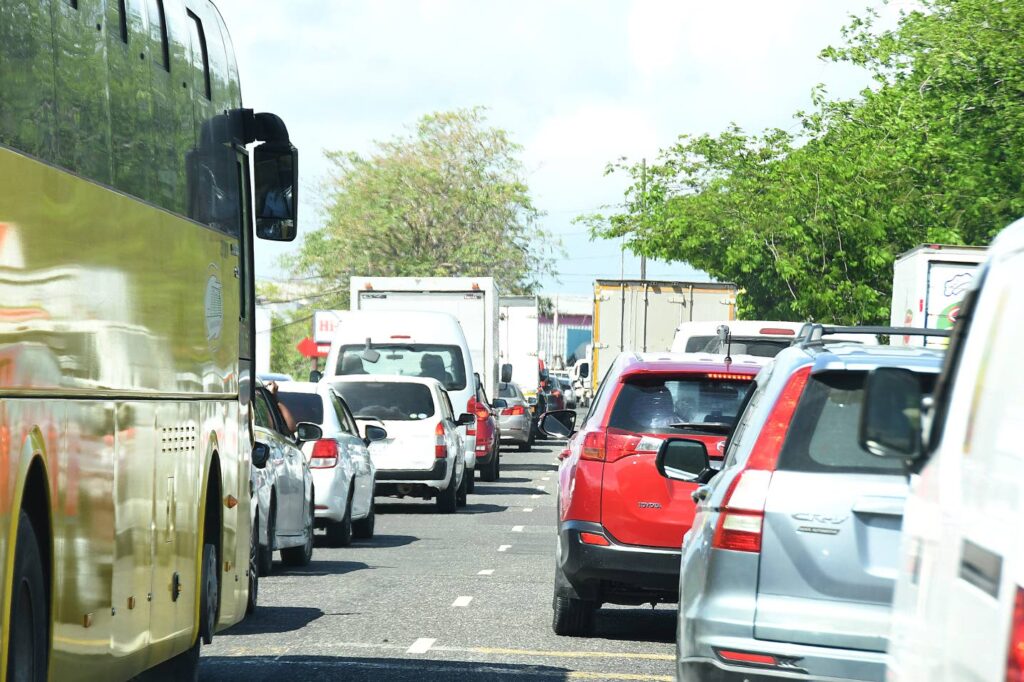
Cedric Stephens | Jamaica's traffic crisis is a national risk event
Business
Politics
May 29, 2026
Share this article

Click to view full size
Jamaica is not just dealing with traffic congestion — we are confronting a growing national risk exposure. Every morning and evening, the country bleeds time, productivity, and money as thousands of vehicles inch their way through Kingston, St Andrew, St Catherine, St James and their corridors, and other parts of the island. This is no longer a nuisance that can be laughed off in conversation; it has become a systemic risk event playing out daily, undermining business efficiency, eroding quality of life, and quietly weakening national competitiveness. Torrential downpours that often lead to the flooding of roadways and drainage systems worsen the problem, as happened recently with what sources say was a five-hour traffic jam in St Andrew.
The recent Gleaner call for an "urgent transport green paper" is not just timely — it is overdue. But if we are honest, Jamaica has reached a stage where incremental fixes will no longer work. We are going to need something far more fundamental: a policy pivot of the kind Singapore undertook more than three decades ago. That is not a small statement. It is a call for structural reform of how Jamaicans move.
The risk we are normalising
Business
Politics
Need the bigger picture?
Share this article
Comments (0)
Download our mobile app
The portable companion to gazettE. Get notifications, track read articles, and more. The latest news from Trinidad and Tobago, in one place.