The jury is out on tax breaks for the insurance industry: Global lessons for Jamaica
Business
Finance
Politics
May 8, 2026
Share this article

Click to view full size
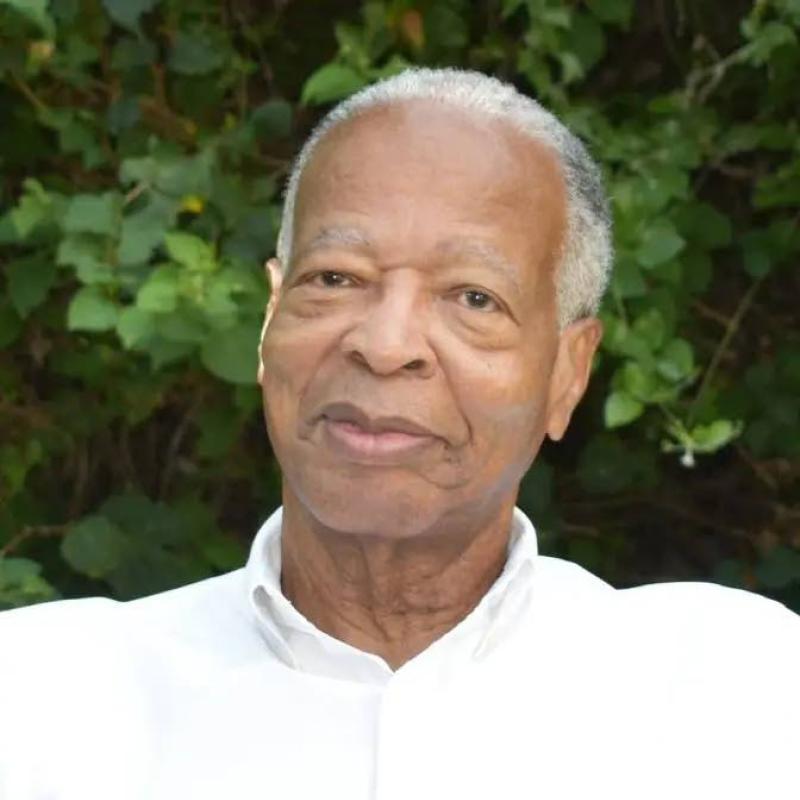
Elective politics has never been one of my career options. My proximity to it began when a friend persuaded me to donate some of my monthly salary to his political party via a bank order. After a while, I cancelled the mandate. Invitations to party conferences and fundraising events stopped. My friend became a full-time politician, an MP, party bigwig, and headed several government ministries. Perhaps because my contributions were small and had a short lifespan, I was never asked to sit on any government entity's board. My goal at that time was to focus on my insurance career. Years later, when the Insurance Association of Jamaica announced that it was planning to push for tax breaks to lift islandwide coverage, I felt a strong urge to enter the debate and help shape the opinions of a few people, including politicians.
Another friend and colleague, consulting actuary Mrs Constance Hall, wrote on the subject before I could. An actuary is an independent adviser who uses mathematical, statistical, and financial theory to solve complex problems involving uncertainty, working with firms, governments, and insurance companies. Readers should interpret my comments in the context of Ms Hall's remarks and the facts that I present.
A July 2025 article stated that “from boardrooms to parliamentary benches, insurance industry stakeholders are sharpening their focus on how strategic legislation can transform financial inclusion, especially for underserved populations living outside the formal banking and employment systems. They argued that small, structured contributions — if properly incentivised — can lay the foundation for large-scale social protection”.
Business
Finance
Politics
Need the bigger picture?
Share this article
Comments (0)
Download our mobile app
The portable companion to gazettE. Get notifications, track read articles, and more. The latest news from Trinidad and Tobago, in one place.