Workers Must Have a Seat at the Decision-Making Table
Politics
Business
September 13, 2026
Share this article
Click to view full size
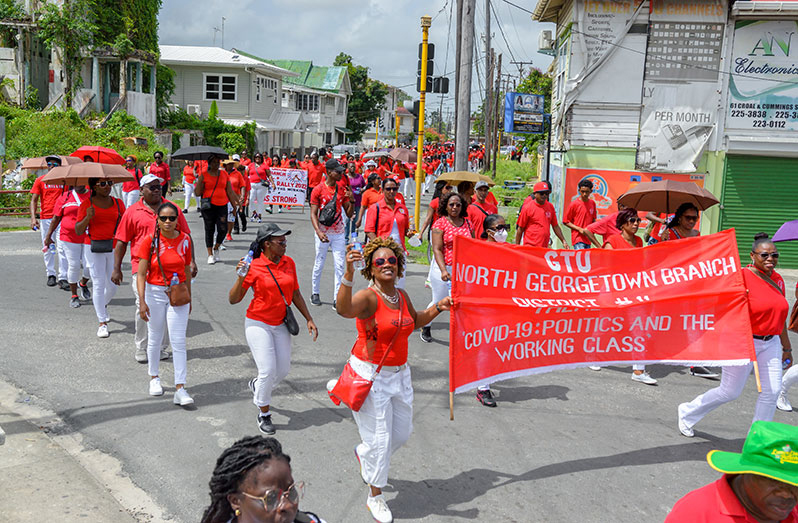
Workers are not merely the hands that produce, the feet that carry, or the voices that execute decisions made elsewhere. They are citizens, taxpayers and stakeholders whose labour drives the economy. Any government or employer serious about sustainable development must therefore recognise a simple principle: workers must have a meaningful place at the decision-making table. This is not a favour to organised labour but a matter of rights, democracy and sound governance.
The International Labour Organisation (ILO) has long recognised that workers must have the freedom and institutional means to organise and influence decisions affecting their working lives. Convention No. 87, the Freedom of Association and Protection of the Right to Organise Convention, protects workers’ freedom to form and join organisations of their choosing.
Convention No. 98, the Right to Organise and Collective Bargaining Convention, requires the promotion of voluntary collective bargaining. These principles establish an important foundation: workers should not simply be informed after decisions are made; their representatives must be able to participate in shaping those decisions.
Politics
Business
Need the bigger picture?
Share this article
Comments (0)
Download our mobile app
The portable companion to gazettE. Get notifications, track read articles, and more. The latest news from Trinidad and Tobago, in one place.