Jalil Dabdoub | Constitutional reform and the realities of Jamaican politics
Politics
Legal
November 15, 2026
Share this article

Click to view full size
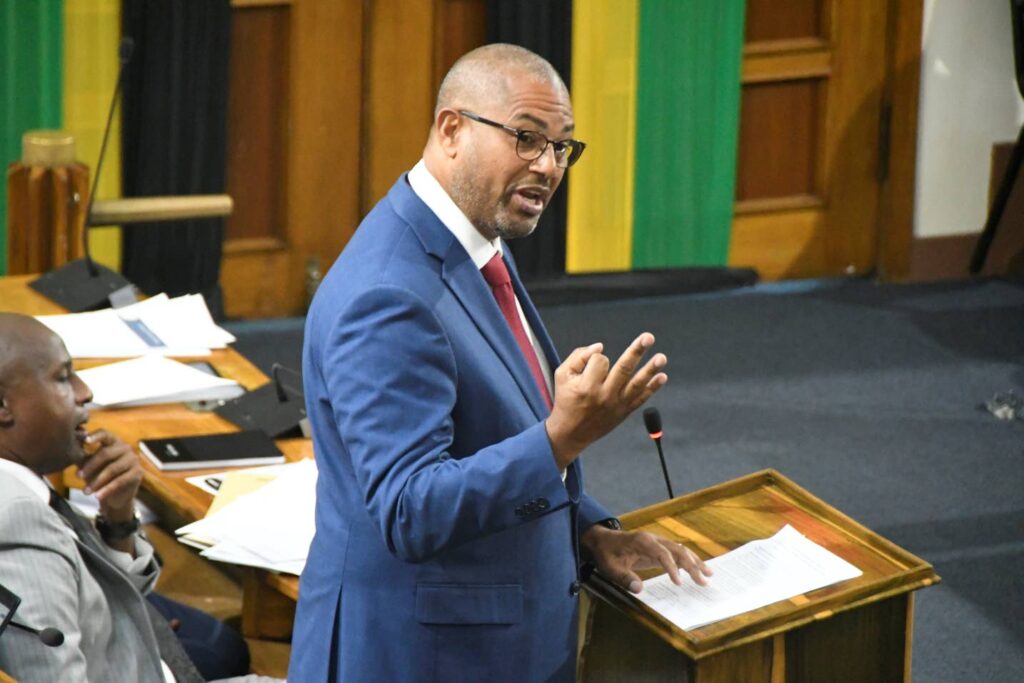
Jamaica’s constitutional reform has focused largely on removing the British monarch, becoming a republic and changing our final appellate court. Important though these questions are, they risk distracting from a more fundamental one: how do we prevent those entrusted with political power from abusing it or exercising it without meaningful accountability?
Sovereignty belongs to the people. Government does not own power; it exercises authority entrusted to it by the people through the Constitution. Politicians are our servants, not our masters.
Constitutional reform must therefore be grounded in the political realities of Jamaica. We must design our Constitution not around the politicians we wish we had, but around those we have historically had. Party loyalty often trumps institutional responsibility, and political expediency prevails over principle. A Constitution that depends on politicians voluntarily limiting their own power is an inadequate safeguard against abuse.
Politics
Legal
Need the bigger picture?
Share this article
Comments (0)
Download our mobile app
The portable companion to gazettE. Get notifications, track read articles, and more. The latest news from Trinidad and Tobago, in one place.