Michael Abrahams | Empathy for the West
Health
Politics
June 16, 2026
Share this article
Click to view full size
On the evening of Friday, June 5, without any warning, Jamaica was plunged into darkness by an islandwide power outage. Earlier, I had endured a particularly demanding day at work and was attempting to relax and unwind at home when the lights went out abruptly. I felt annoyed and inconvenienced, and after seeing social media posts from across the island and realising that the entire country was affected, my concern deepened considerably.
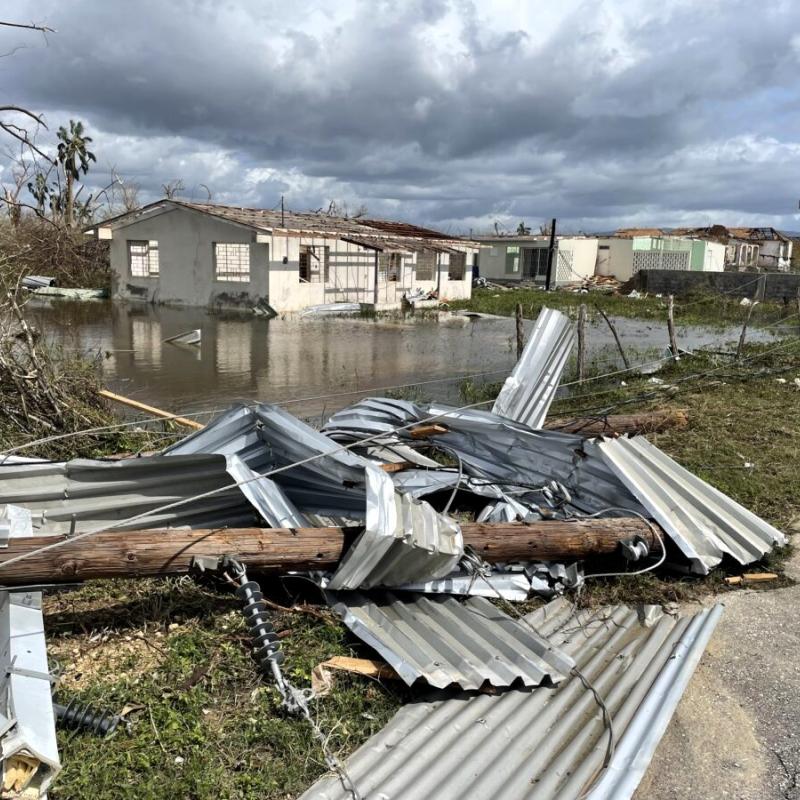
By the following morning, electricity had been restored to most of the affected areas. The Jamaica Public Service (JPS) did not provide an immediate explanation for the interruption, and while theories regarding the cause of the disruption abounded, such as claims of a cyberattack orchestrated by the US or manipulation by the Jamaican Government to facilitate nefarious activities, I found myself overwhelmed by a profound sense of empathy for the survivors of Hurricane Melissa in western Jamaica, whose lives were devastated by the storm. What happened on June 5 was a temporary inconvenience for me lasting a single night, but for many hurricane survivors, this has been their reality for the past seven months. Many have been deprived not only of electricity but also of potable water, and, more devastatingly, many have been left homeless.
Health is defined as a state of physical, mental, and social well-being. For countless Jamaicans in the western region of the island, Hurricane Melissa has severely undermined all aspects of their health - and beyond. In addition to compromising the abovementioned facets of health, the disaster has exacted a heavy toll on the emotional, financial, and spiritual well-being of many.
Health
Politics
Need the bigger picture?
Share this article
Comments (0)
Download our mobile app
The portable companion to gazettE. Get notifications, track read articles, and more. The latest news from Trinidad and Tobago, in one place.