Garth Rattray | Jamaica needs permanent emergency shelters
Politics
June 14, 2026
Share this article

Click to view full size
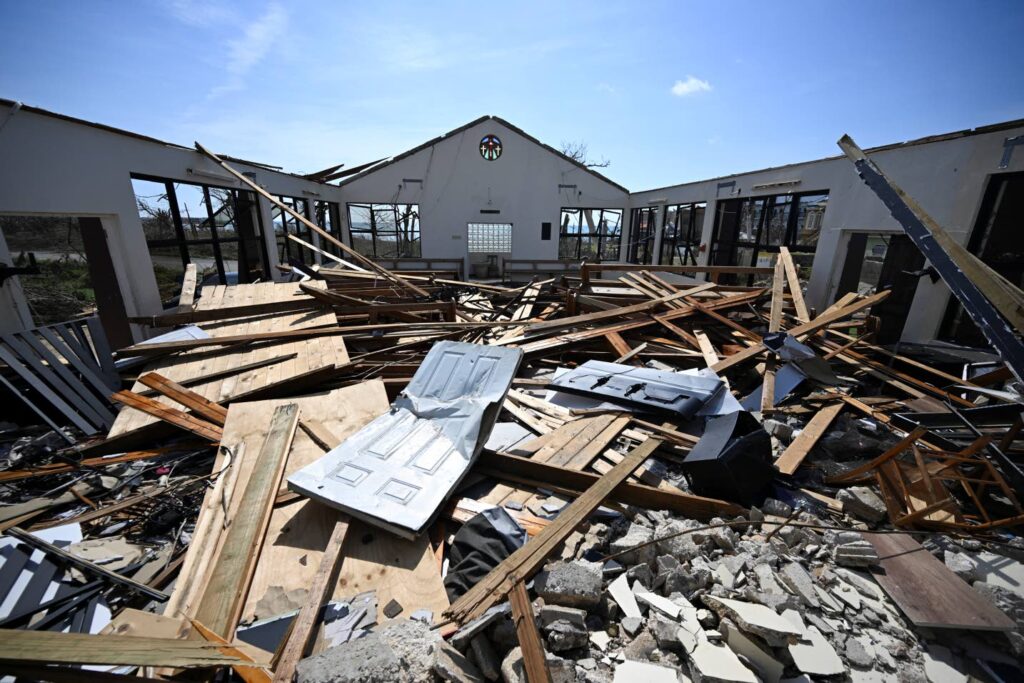
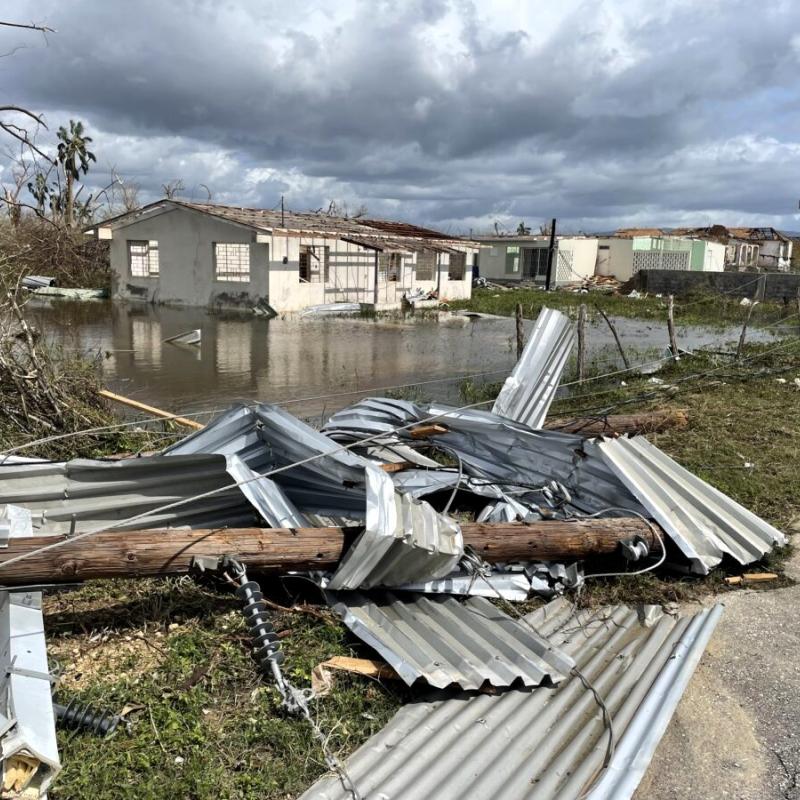
We are once again in the dreaded hurricane season. It begins on June 1 and ends on November 30 each year. After the utter devastation, in parts of central and western Jamaica, wrought by Hurricane Melissa last year, the importance of emergency shelters came to the fore. The short-term problems were minimal, but then the problem of long-term occupancy reared its ugly head.
Jamaica has been described as having a “comprehensive network of over 880 designated temporary emergency hurricane shelters across all parishes, managed by the Office of Disaster Preparedness and Emergency Management (ODPEM)”. Public information on these shelters includes where to access them, the provision of relief supplies, the separate housing of both genders, and the housing of entire families. Advice is also given on what items citizens should take with them and which items are allowed within shelters.
According to the general emergency protocols regarding the standard operational lifecycle of a temporary emergency shelter, they are expected to house internally displaced citizens for about seven to 30 days. However, when there has been the scale of destruction experienced because of hurricane Melissa, sometimes occupancy may last for six months. After that, displaced citizens are expected to be moved into rapid-rehousing units (rentals or modular container homes).
Politics
Need the bigger picture?
Share this article
Comments (0)
Download our mobile app
The portable companion to gazettE. Get notifications, track read articles, and more. The latest news from Trinidad and Tobago, in one place.