Coast Guard defends 4-hour response time
October 16, 2026
Share this article
Click to view full size
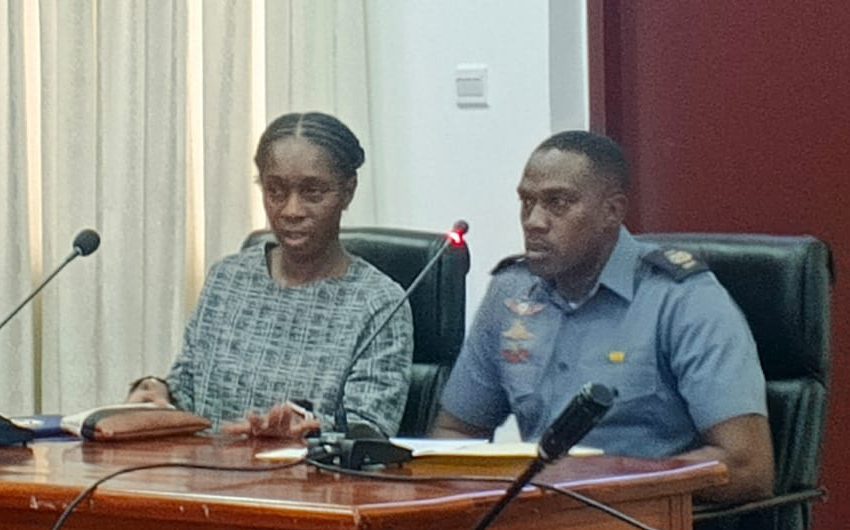
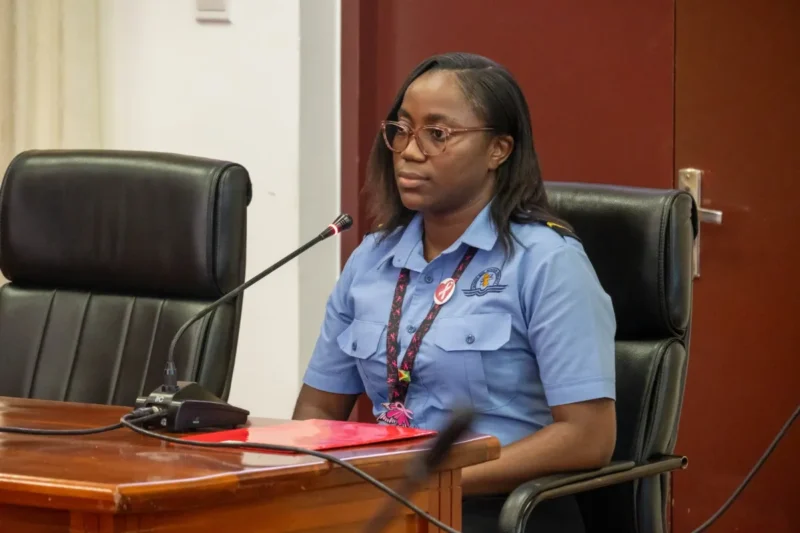
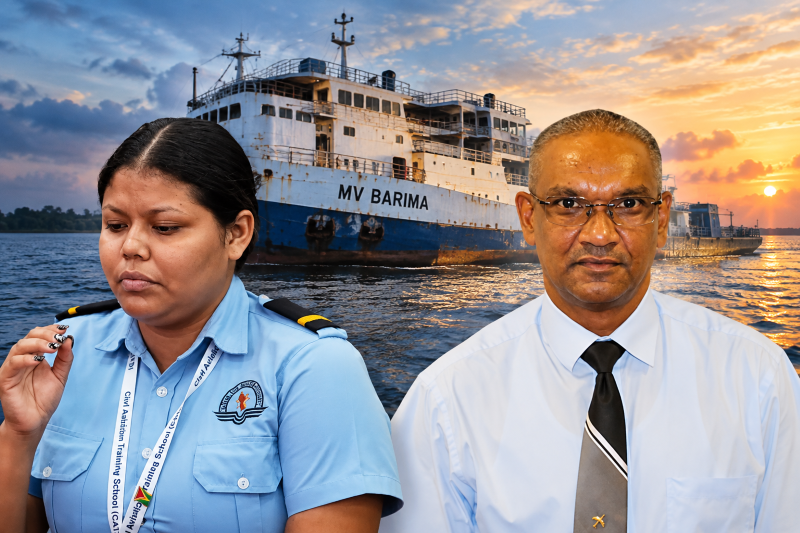
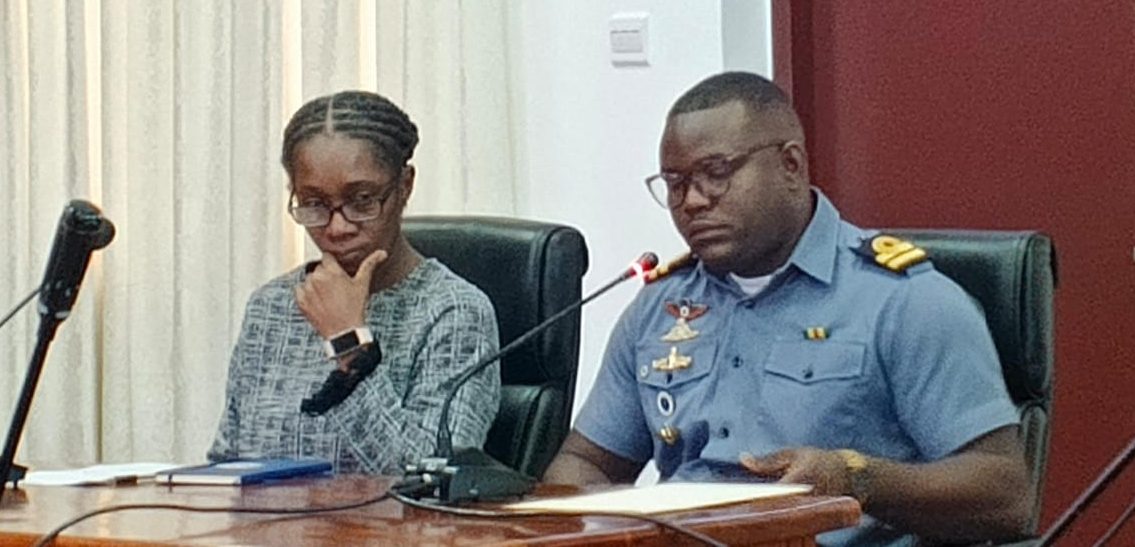
(Kaieteur News) – As the Commission of Inquiry (COI) into the maritime disaster involving the MV Barima continued on Thursday, testimony was provided by Lieutenant Rolwyn Heywood of the Guyana Defence Force Coast Guard. Lieutenant Heywood, of the GDF with six years of service in the Coast Guard, offered the commission a detailed timeline of the emergency response, addressing resource limitations, and operational challenges faced on the night of the incident.
Lieutenant Heywood testified that it took over four hours from the initial distress signal to get Coast Guard assets on the scene near the Pomeroon River mouth, arriving just after 1:00 AM. He explained that two hours were needed to ascertain the nature of the distress signal, and another two hours were spent transiting from the Coast Guard base at Ruimveldt to the location. While Heywood defended the four-hour deployment time as the fastest possible response under the circumstances, noting that personnel had to be mobilised from their homes in areas like Linden and the East Coast, he conceded under questioning that having no On-Scene Commander for over eight hours was not reasonable “No, but each vessel had its own Commander”.
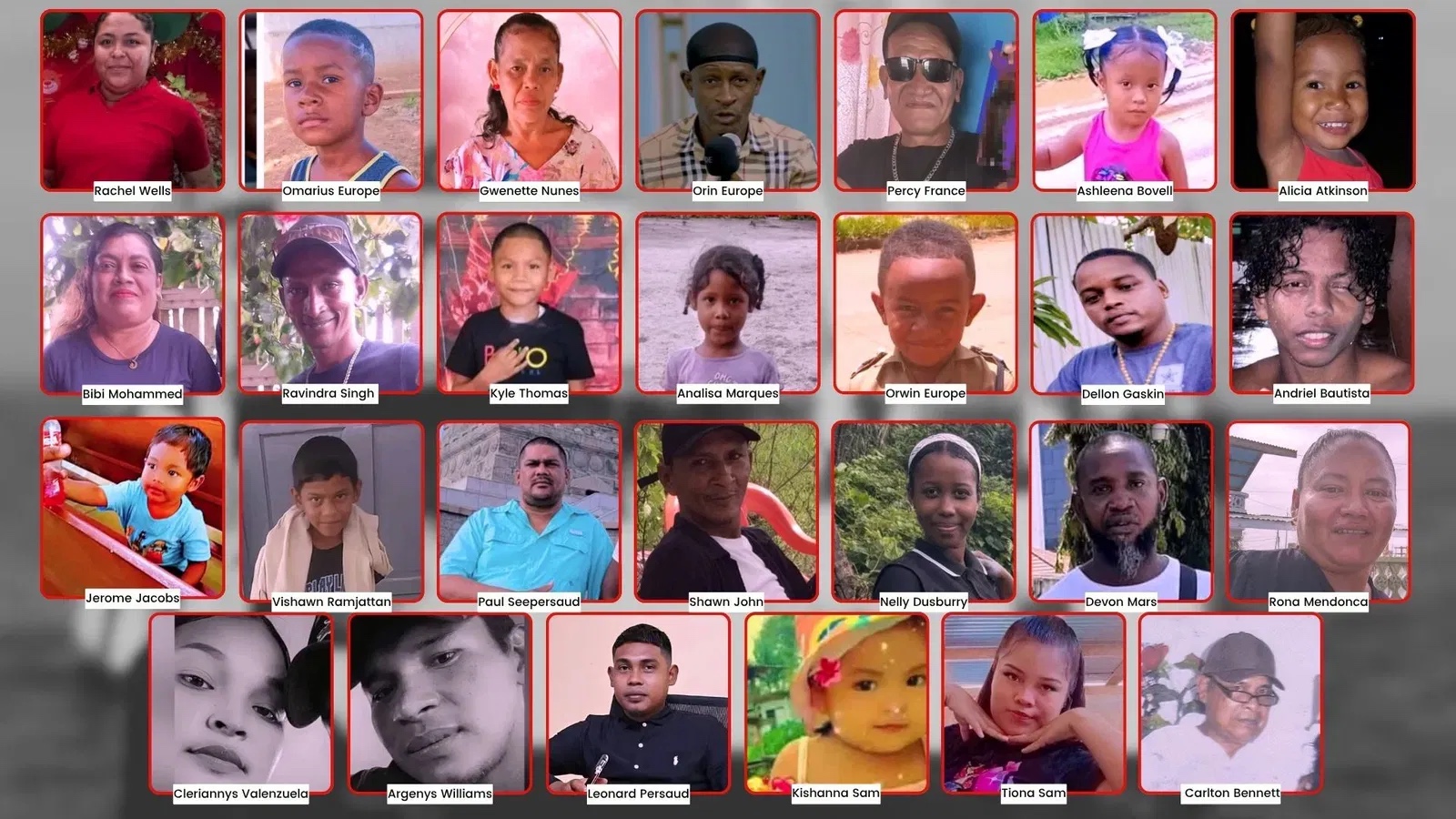



The operational centre in Ruimveldt received the initial EPIRB distress alert on July 18 at 22:51 hours. Heywood acknowledged the alert, plotted the data on a map within 19 minutes, and contacted Coast Guard Commander David Shamshudeen by 23:10 hours. Heywood explained that responders initially did not know the exact nature of the distress or that the vessel in trouble was the MV Barima. It was only after a flare was spotted following 1:00 AM that the identity of the vessel was confirmed.
Need the bigger picture?
Share this article
Comments (0)
Download our mobile app
The portable companion to gazettE. Get notifications, track read articles, and more. The latest news from Trinidad and Tobago, in one place.