“Old technology of eyeballs” hampered night search for MV Barima survivors
Legal
Politics
October 16, 2026
Share this article

Click to view full size
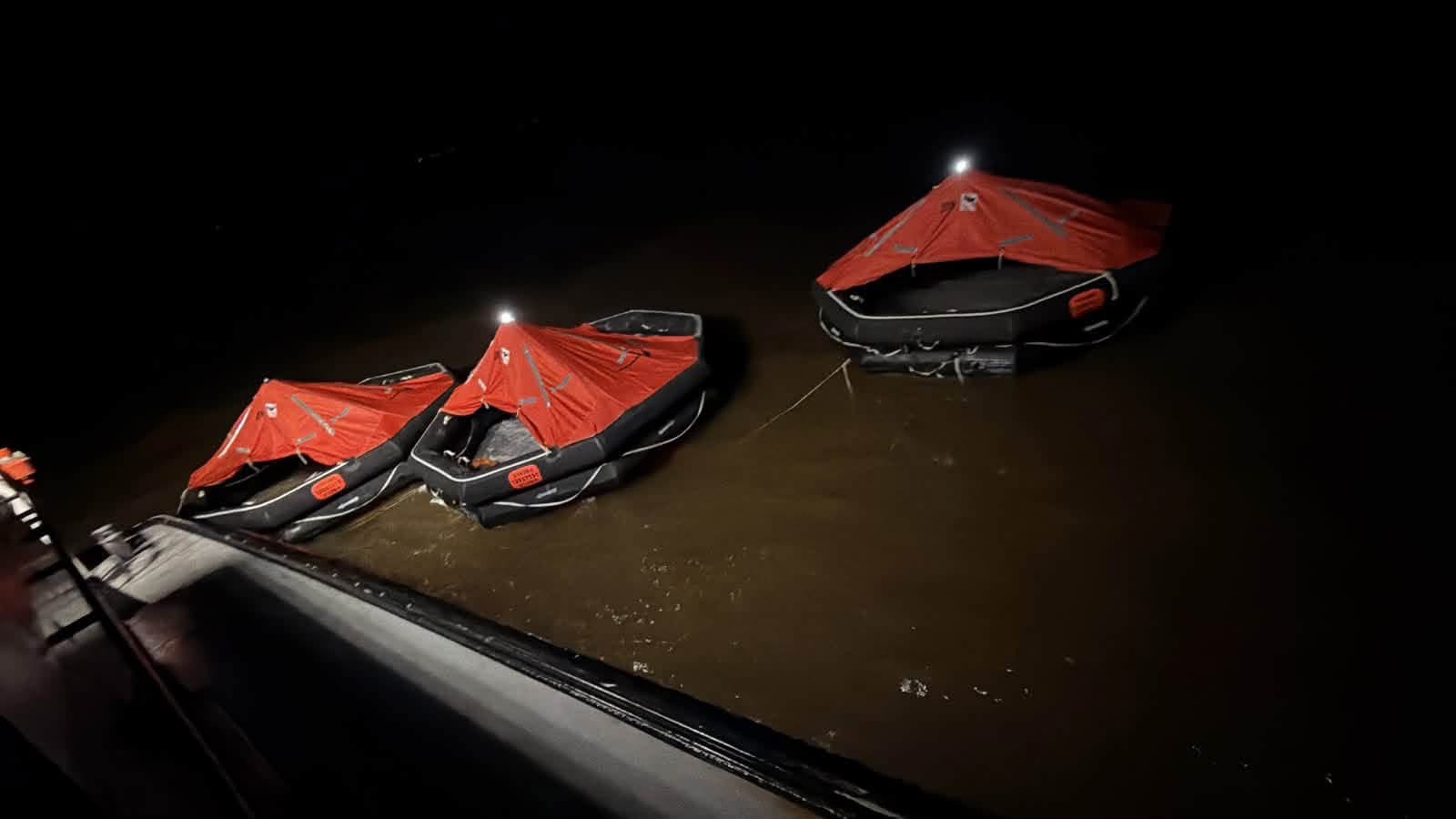
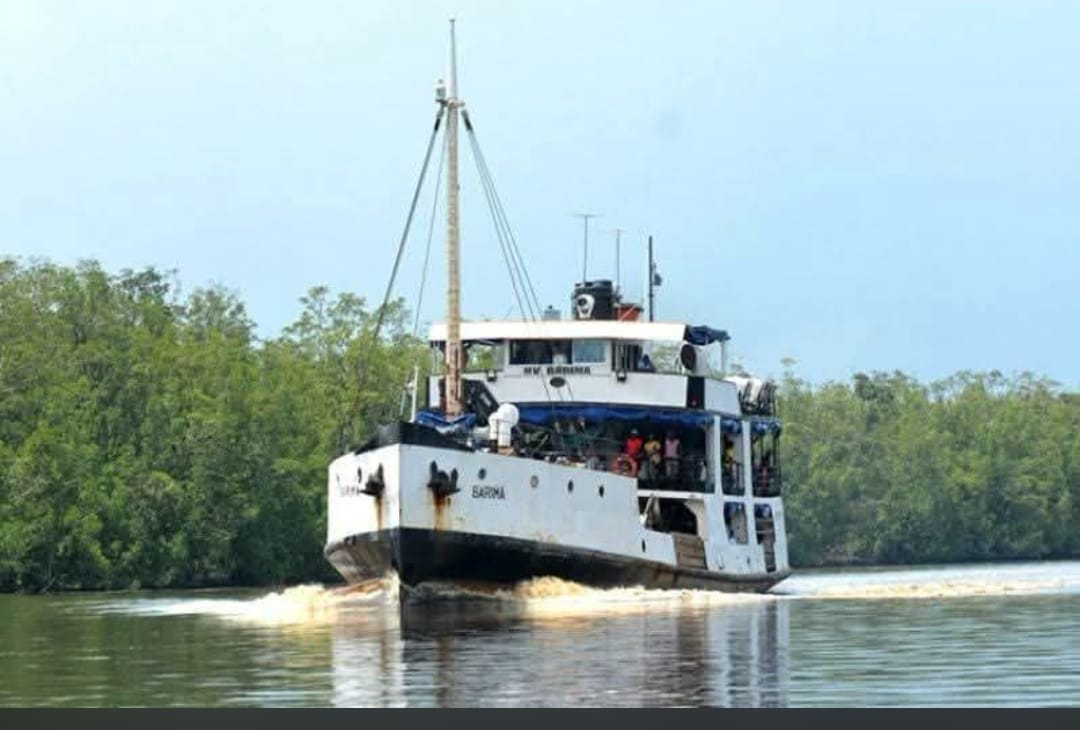
(Kaieteur News) – Night-time search and rescue operations for survivors of the MV Barima maritime disaster were hampered by inadequate equipment, with aircraft relying on visual sightings and flares instead of modern thermal detection technology, the Commission of Inquiry (COI) was told on Thursday.
As the Commission of Inquiry (COI) into the MV Barima maritime disaster continued on Thursday, Captain Leaire Barclay, Director of Operations and Commercial Pilot at Roraima Airways with 26 years of aviation experience, provided critical evidence regarding night-time search and rescue operations. Captain Barclay revealed that search efforts were severely constrained by equipment limitations, explaining that crew members had to rely on “old technology of eyeballs” and visual flares in the dark rather than modern thermal detection gear.




Captain Barclay testified that having Forward-Looking Infrared technology on board would have allowed search teams to execute a far more effective search than relying on sight alone. He pointed out that the aircraft used were not equipped with external search lighting, making visual spotters dependent on luck, hoping to catch sight of flares or surface signals from victims in the water.
Legal
Politics
Need the bigger picture?
Share this article
Comments (0)
Download our mobile app
The portable companion to gazettE. Get notifications, track read articles, and more. The latest news from Trinidad and Tobago, in one place.