Guyana-Led study uncovers deadly gaps in blood transfusion systems across the developing world
Health
October 11, 2026
Share this article

Click to view full size
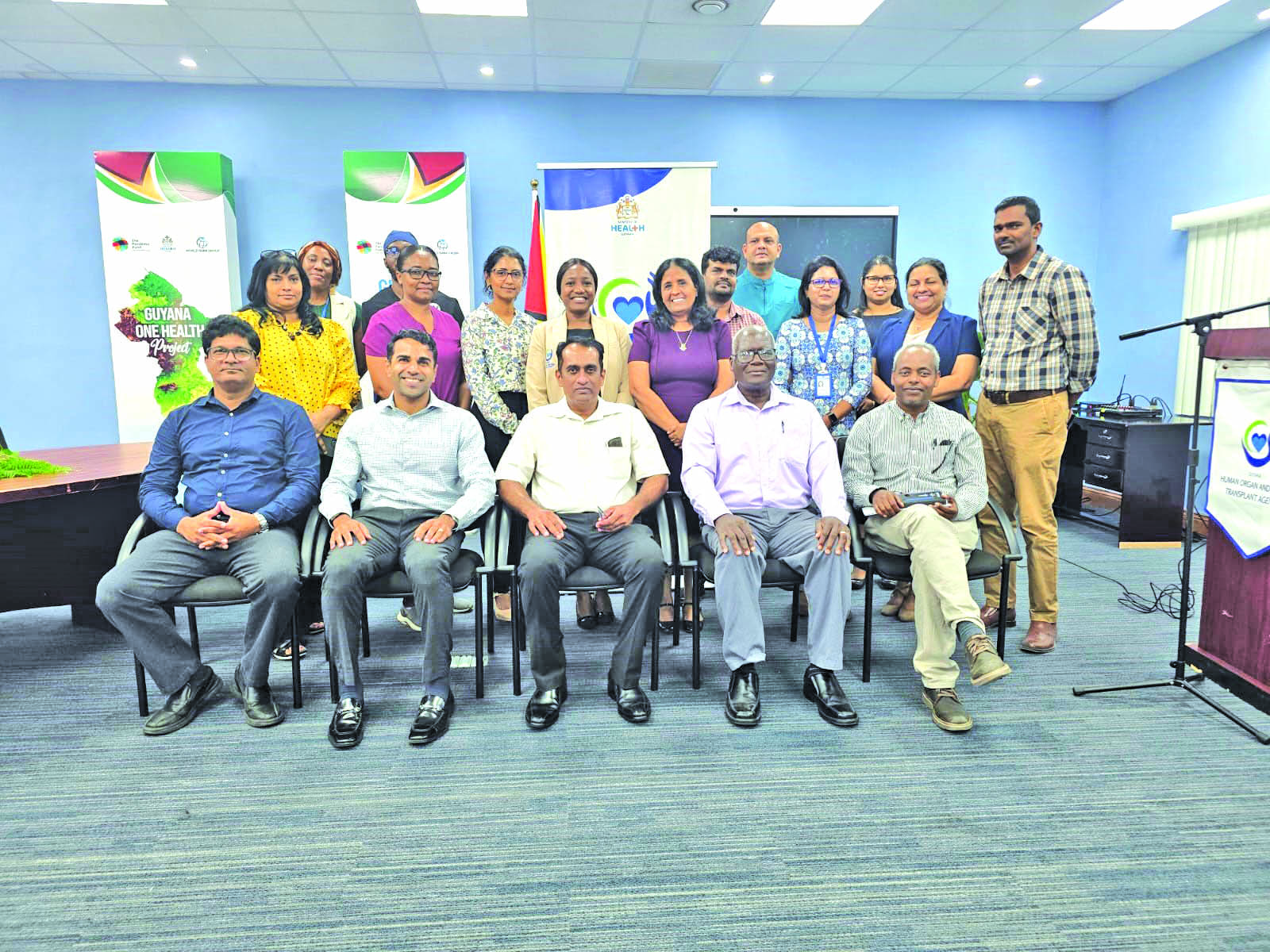
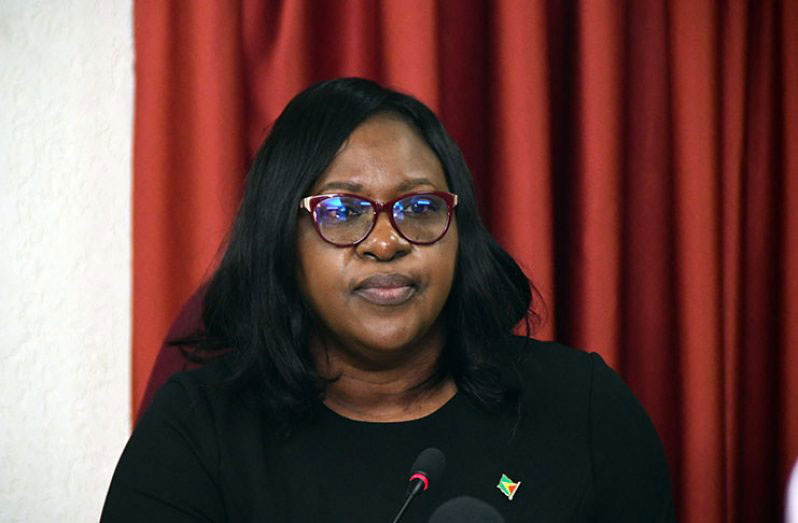
(Kaieteur News) – An international team of researchers, led by Professor (Prof) Rajini Kurup, Dean of the College of Medicine at the University of Guyana, has completed one of the first studies to bring together global evidence on why life-saving blood transfusions fail to reach patients in poorer countries in time. The study also holds up Guyana’s own transfusion system as a rare example of what sustained reform can achieve.
Prof Kurup was joined by Prof Jimmy Naipaul, affiliated with the Caribbean Center for Health and Wellness, along with Dr. Pedro Lewis, Director of the Guyana National Blood Transfusion Service, Prof Tejroi Naipaul of the International Executive School in Strasbourg and France, and Dr. Rita Persaud of Wilfrid Laurier University in Canada. Together, the team represents a rare instance of Guyanese-led research shaping the international conversation on health system reform.
The findings are sobering. Drawing on studies from health systems across the developing world, the researchers found a repeated pattern of shortages, weak regulation, and almost no monitoring of what happens to patients when blood does not arrive in time. In one particularly striking case documented in the study, one in five children prescribed a blood transfusion in a series of hospitals died before receiving it, not because doctors made the wrong call, but because the system beneath them could not deliver on it.
Health
Need the bigger picture?
Share this article
Comments (0)
Download our mobile app
The portable companion to gazettE. Get notifications, track read articles, and more. The latest news from Trinidad and Tobago, in one place.