320 students with disabilities set to benefit from STEM training programme
Business
September 26, 2026
Share this article
Click to view full size
– Over 1500 already benefitted from initiative since 2019
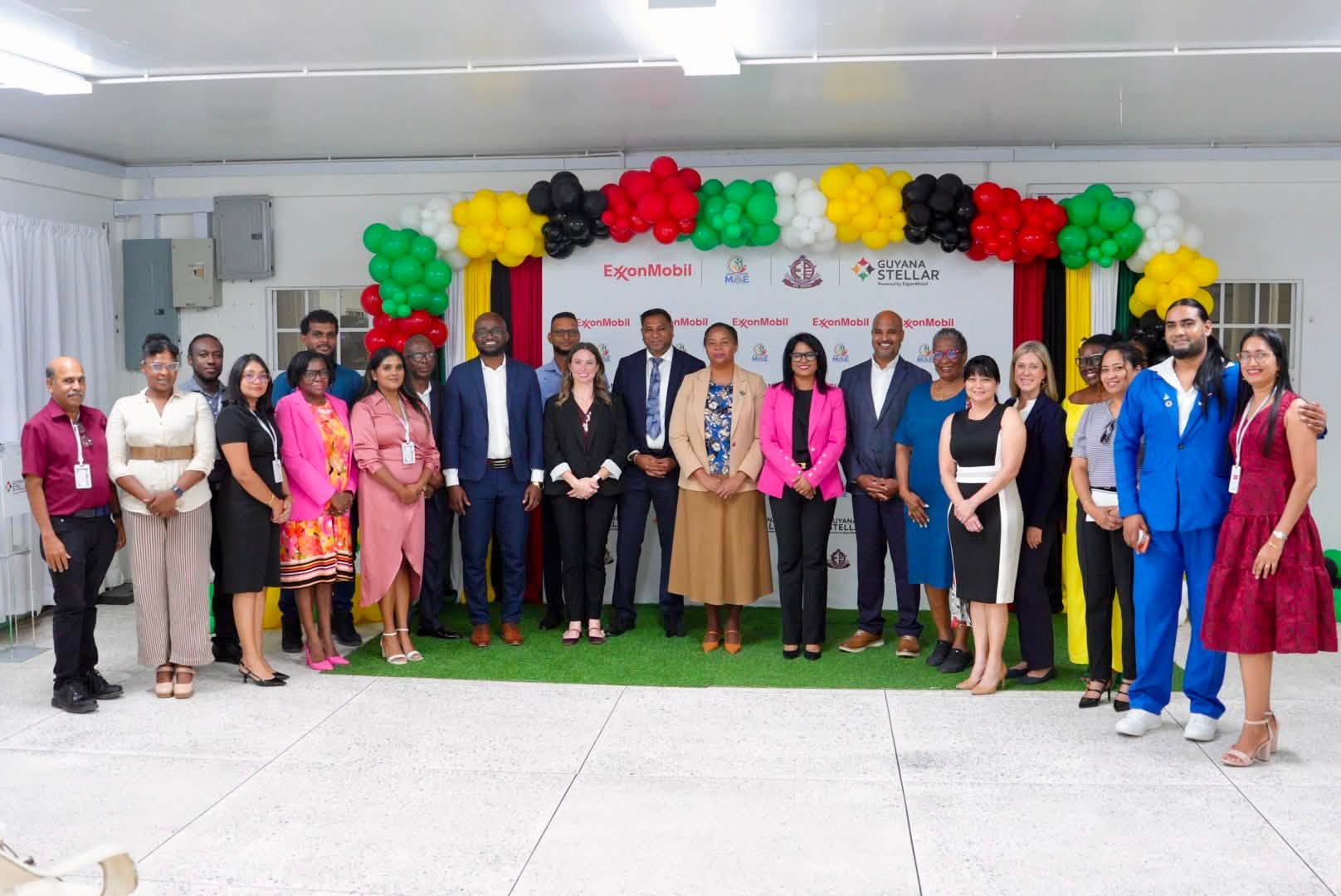
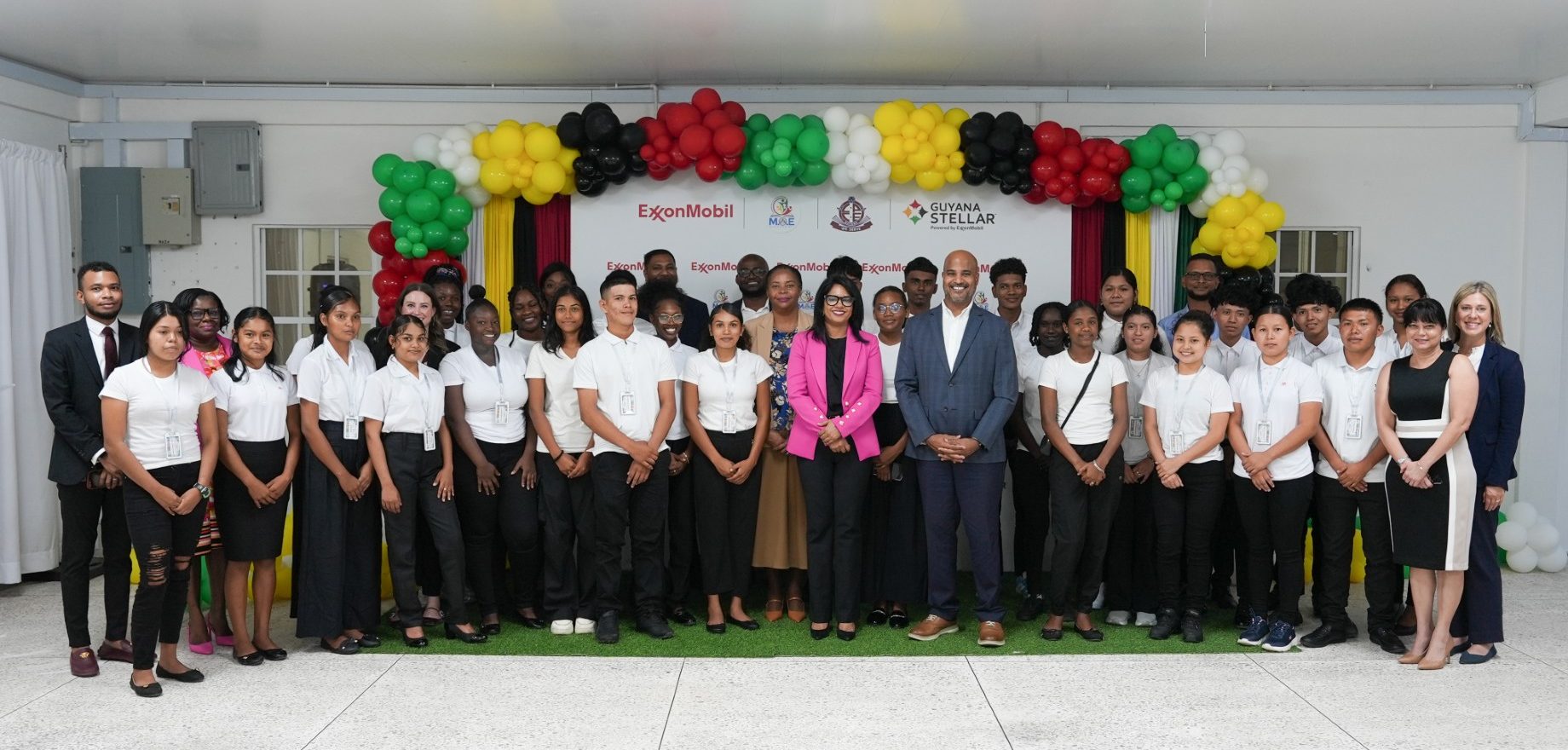
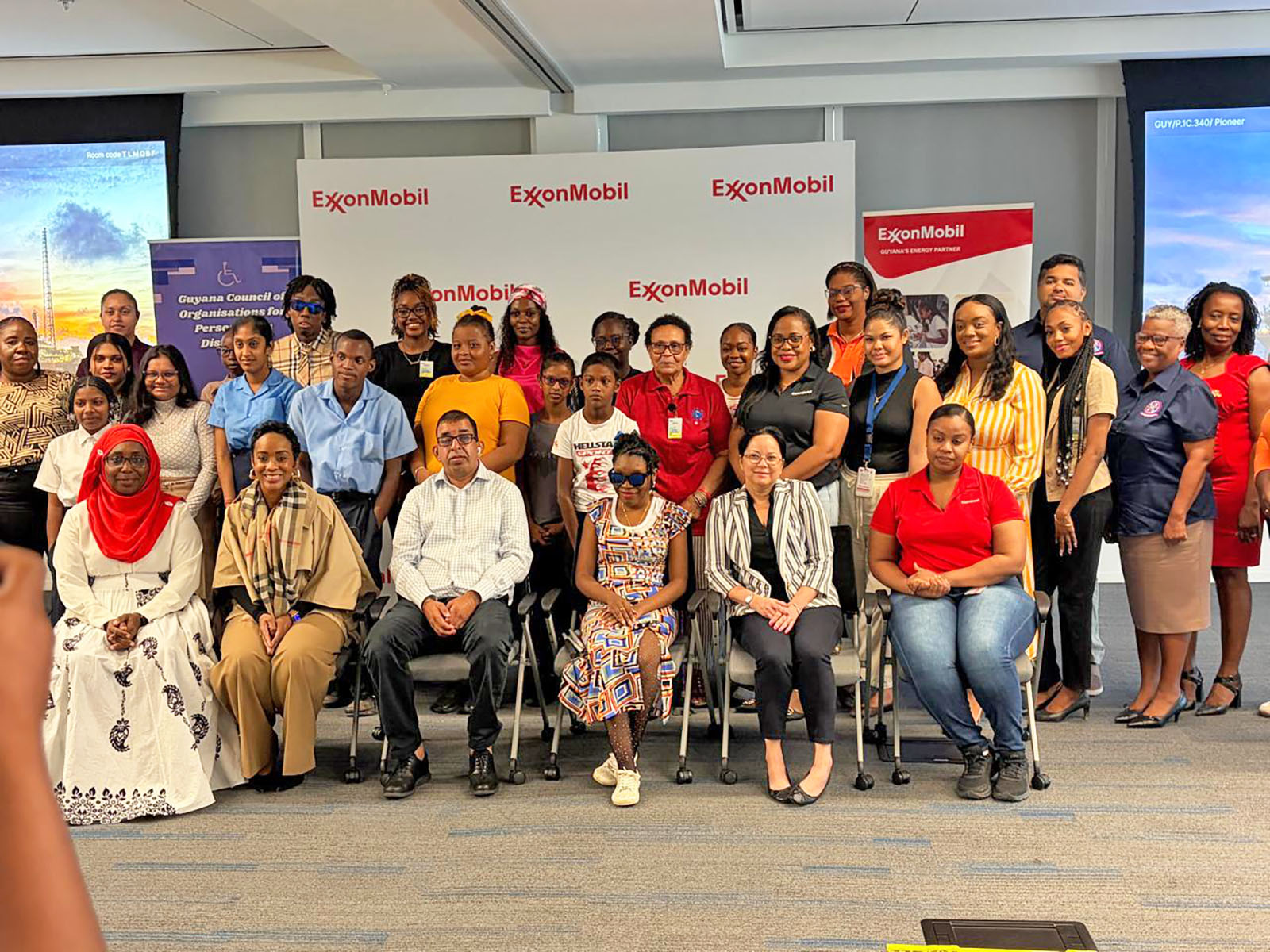
Some 320 students living with disabilities are set to undergo training under Phase Seven of the Inclusive Innovators Science, Technology, Engineering and Mathematics (STEM) and Life Skills Programme, which is being implemented by the Guyana Council of Organisations for Persons with Disabilities (GCOPD), with support from ExxonMobil Guyana. The seventh phase of the initiative was launched on Friday and is expected to be implemented in Regions Two, Three, Four, Five, Six and 10. The programme was conceptualised between 2016 and 2017, with its first funding received from ExxonMobil in 2019, shortly before the COVID-19 pandemic. The programme was initially scheduled to begin in February 2020, targeting children with disabilities in five special education schools. However, after starting for a few weeks, the programme was disrupted by the onset of the pandemic in March 2020. Following several months of lockdown, the project team adapted the initiative when schools resumed virtual learning, introducing STEM robotics virtually. Since then, the programme has progressed through six phases, with its activities and approach evolving as the initiative expanded. Speaking during the event, GCOPD Programme Manager Ganesh Singh highlighted the growth of the programme over the past six years.
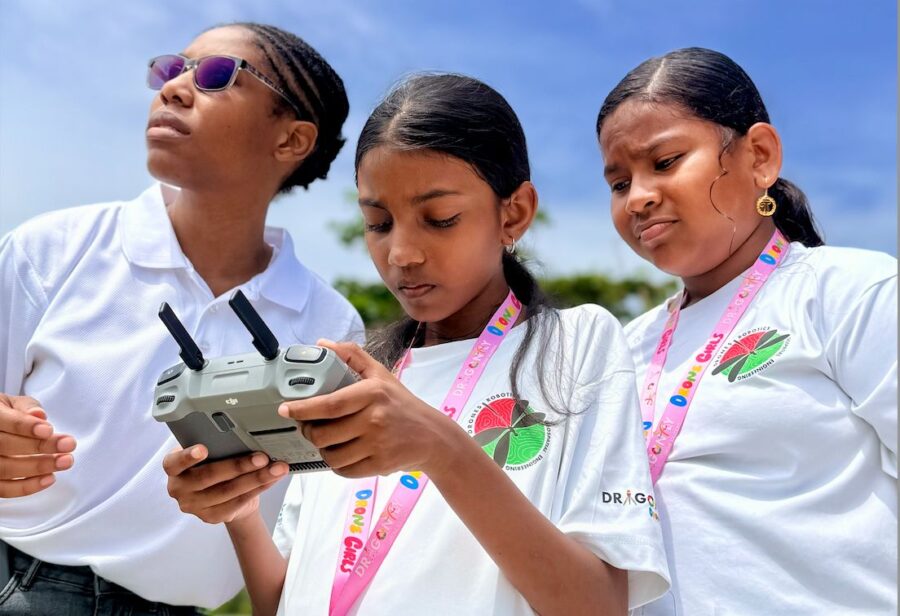
“Over 1,500 children with disabilities from 17 special education needs spaces, which include special education needs schools and resource units and centres across Regions Two, Three, Four, Five, Six, Seven and 10, have benefited from 2019 to present. Through this initiative, children with disabilities are exposed to the field of STEM. They’re exposed to different concepts in the areas of science, technology, engineering, and mathematics. We use robotics technology to aid them in this process. So, it’s not just them building robots, but us helping them develop an understanding of the field of STEM.” He added that the programme not only provides beneficiaries with STEM exposure but also helps to develop their problem-solving and critical-thinking skills. He said that since last year, the programme has incorporated more significant life-skills components, allowing beneficiaries to participate in sessions focused on public speaking, teamwork, confidence-building, and developing their abilities as self-advocates. He noted that the programme also conducts workshops during the August holidays, which focus specifically on STEM and involve different groups across the country. According to him, these workshops often target children who are not beneficiaries of the main programme, allowing the initiative to reach children outside its regular groups. According to him, these students will receive top-tier training through a series of sessions from the clubs. In fact, he revealed that drone technology will be introduced as part of the training. “These clubs will capture children with disabilities who are not attending special education schools or the various STEM spaces across the country. So, it’s mainly for those children with disabilities who are in mainstream schools. They will have sessions twice per month for approximately three hours, and mainly on Saturdays. In these clubs, these ten specific clubs, the children will be exposed to a lot more in the STEM field, and we will also introduce drone technology. We will get them involved in more coding, and we will also have a lot of educational tours, guest lectures, and so on.”
Business
Need the bigger picture?
Share this article
Comments (0)
Download our mobile app
The portable companion to gazettE. Get notifications, track read articles, and more. The latest news from Trinidad and Tobago, in one place.