SLB and the delinquency problem
Finance
July 20, 2026
Share this article

Click to view full size
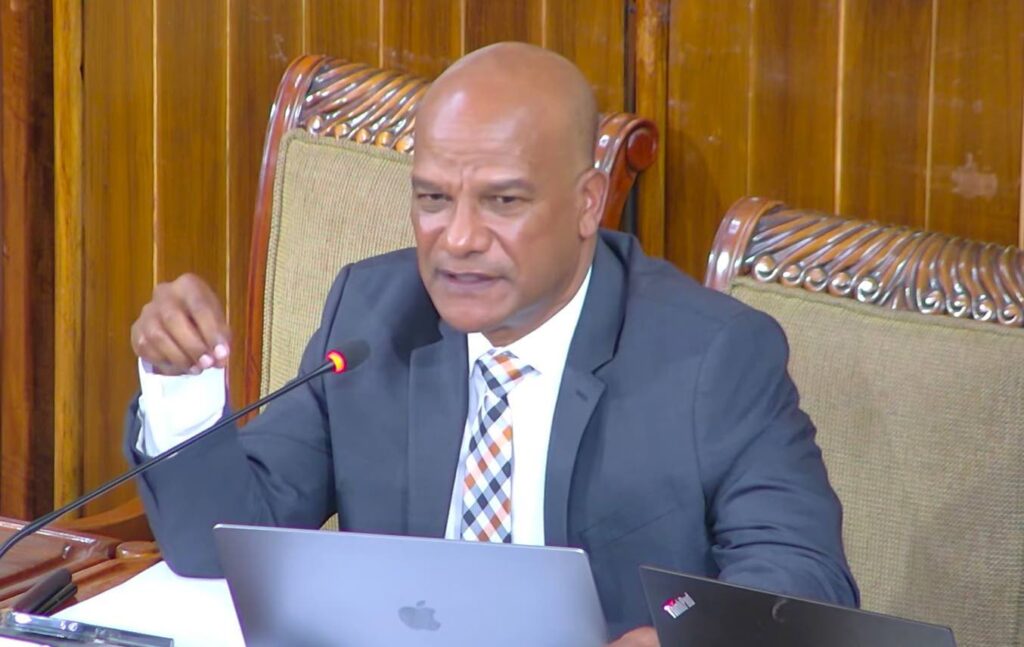
THE EDITOR, Madam:Recently, the executive director of the Students’ Loan Bureau (SLB), Nickeisha Walsh, disclosed to Parliament the struggles the bureau has been facing in repayment compliance. She disclosed that compliance has fallen from 56 per cent in 2022 to 48 per cent in 2026, an almost 10% drop in 4 years. Importantly, she also stated that one of the issues the SLB faces in devising strategies and policies to increase repayment compliance is the inability to separate delinquent borrowers. In other words, the bureau cannot tell for sure who is not repaying because they can’t due to unemployment, illness etc., as opposed to those who simply refuse to repay.One of the indications presented on the way forward is a data-driven segmentation of delinquent accounts into the “unable” and the “unwilling” and then applying various incentives geared towards each category of delinquents, to increase repayment compliance.If that objective is to be realised, it is important that the SLB sharpen that approach by using bolder incentive policies to drive the data collection, and not vice versa. This might seem but a minor detail but it can prove to be the fly in the ointment. The former approach creates a situation where the delinquent accounts naturally separate themselves. For example, a policy for unemployed graduates to benefit from partial debt write-offs would increase borrower engagement, while also providing greater insights on the proportion who are unemployed and therefore cannot repay. Similar policies can be implemented based on the information the SLB wishes to obtain from its borrowers and using this increased engagement as a data mining opportunity in a deliberate way. The effectiveness of this specific approach is nestled in the fact that the SLB’s first issue above all is the lack of engagement by a growing majority of their delinquent borrowers. To get them to re-engage, the SLB will need much bolder policies that offer incentives that are worth it. That increased engagement gives the SLB increased access to data. Automatically, enforcement and other intervention methods will be taken from increasingly more informed positions, making them more targeted, socially sensitive, and ultimately more effective.Notwithstanding this recommendation, recent policy changes at the SLB are a sign that there is an increase in the agency’s social sensitivity. They may just need to take a step or two further from the crease.
Finance
Need the bigger picture?
Share this article
Comments (0)
Download our mobile app
The portable companion to gazettE. Get notifications, track read articles, and more. The latest news from Trinidad and Tobago, in one place.