Oil Wealth Has Failed to Deliver Reliable Electricity to Guyanese-APNU
Politics
Business
Finance
September 21, 2026
Share this article

Click to view full size
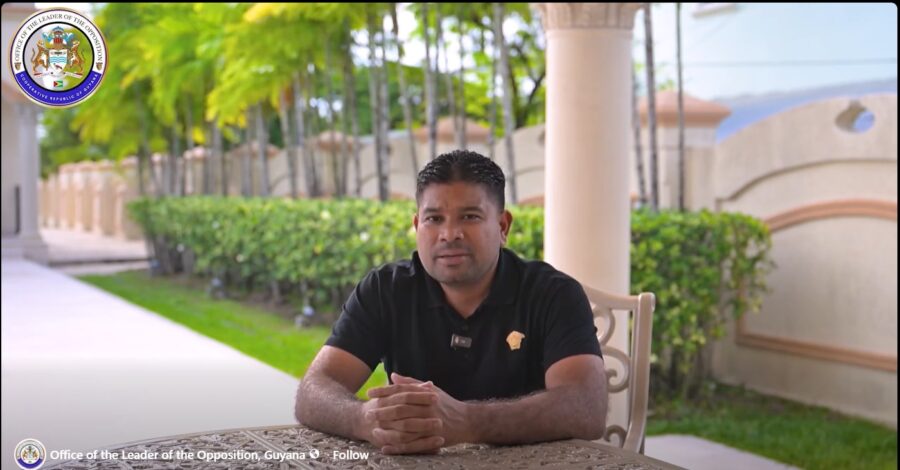
By Mark DaCosta- The second largest parliamentary opposition says that despite unprecedented oil wealth and six years in office, the People’s Progressive Party/Civic (PPP/C) government has failed to deliver a reliable electricity supply to Guyanese. The main opposition, A Partnership for National Unity (APNU), contends that the administration knew well in advance — from its own pronouncements and international warnings — that demand for power would surge with the oil boom, yet never produced a coherent national development strategy to link generation, transmission and distribution to the country’s rapid growth. The opposition further argues that the much-vaunted Gas-to-Energy project at Wales has fallen badly behind schedule, that conservation appeals shift blame onto ordinary citizens, and that the test of leadership is delivery, not lavish spending of oil money — a test the government, in APNU’s view, is failing. The coalition delivered its views in a statement dated September 7.
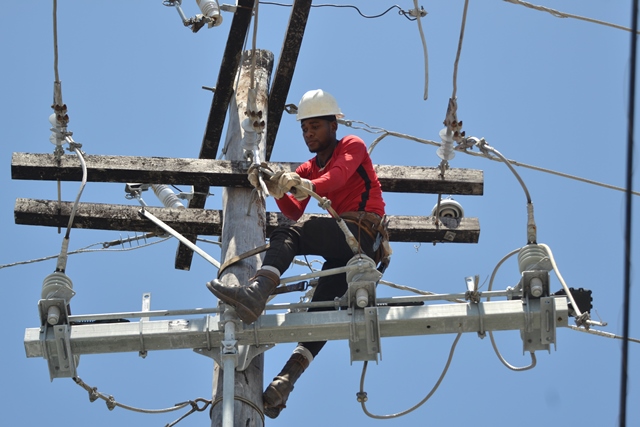
Six years after returning to office on the promise of transformation, the People’s Progressive Party/Civic administration finds itself facing an uncomfortable question from the political opposition: with billions of dollars in oil revenue flowing into the national coffers, why are Guyanese households and businesses still enduring an unreliable electricity supply? A Partnership for National Unity has pressed that question forcefully this week, pointing to figures released by the Guyana Power and Light Company in early September, which showed available generation of 265.6 megawatts against a peak demand of 257 — a margin so thin that the utility itself conceded its reserves were inadequate and that feeders and transformers across the network were overloaded. What makes those numbers particularly damning, the opposition argues, is that just weeks earlier, GPL had projected that dependable capacity would reach 280 megawatts by the end of August. Someone, APNU insists, must explain where those missing megawatts went.
The opposition’s case rests on the claim that none of this should have come as a surprise. Well before a single barrel of crude was lifted from the Stabroek Block, international institutions were sounding the alarm. In 2019, the International Monetary Fund advised that unlocking Guyana’s anticipated growth would require substantial infrastructure investment, including a significant expansion of GPL’s generation and transmission capability. Senior figures within the PPP/C government echoed that assessment after taking office in 2020, with one minister publicly conceding that ageing transmission and distribution infrastructure was making it difficult to deliver electricity to homes and enterprises. The President himself declared that demand would nearly triple within a handful of years and that the grid would need wholesale modernisation. APNU’s contention is simple: the government possessed the knowledge, the money and the time — roughly six years and unprecedented public resources — and still allowed power shortages to become a stranglehold on the economy.
Politics
Business
Finance
Need the bigger picture?
Share this article
Comments (0)
Download our mobile app
The portable companion to gazettE. Get notifications, track read articles, and more. The latest news from Trinidad and Tobago, in one place.