Nayo Swan | Healthy eating, active living: We need action now
Health
Politics
June 24, 2026
Share this article
Click to view full size
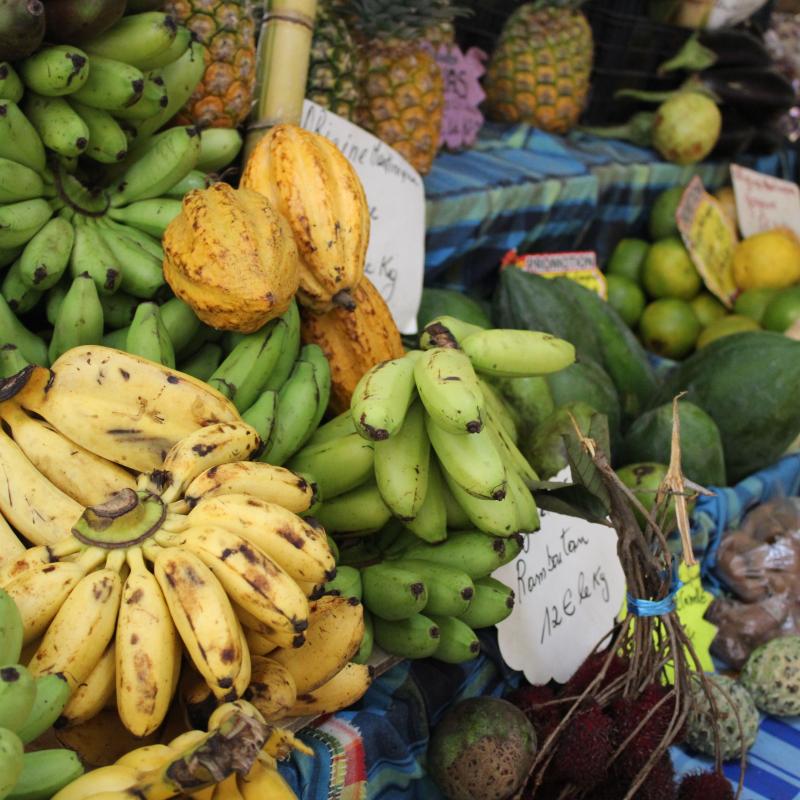
How is the Caribbean one of the most nutrient-rich food regions in the entire world, yet we have one of the highest non-communicable disease burdens worldwide? We have markets overflowing with fruits and vegetables yet our populations meet an early grave from preventable illnesses such high blood pressure, diabetes, obesity and more. The theme for Caribbean Nutrition Day this year is; “Healthy Eating, Active Living: Promoting Caribbean Foods as Medicine.” As diabetes, obesity, hypertension and other preventable illnesses continue to rise across the Caribbean region, we now more than ever need Caribbean governments to pass strategic health policy to ensure access to healthier food systems, education and infrastructure for their people.
The Caribbean’s food over-reliance on the US, China and Europe classifies them as net importers of food, with that being 90 per cent of what is consumed here. This phenomenon highlights regional food security as a necessity. Guyana, the bread basket of the Caribbean is currently the only country in the world that can produce enough food across the seven essential food groups, to feed its entire population. President Irfaan Ali of Guyana leading the 25 by 2025; (a CARICOM target to reduce the regional food bill by 25 per cent by 2025), has already noted a 24 per cent increase in regional food production.
The Cayman Islands imports over 90 per cent of their food, with 80 per cent of that total passing through US ports. However, in recent years with the fragility of global supply chains, there has been a growing push to expand local food production in Cayman; like many other Caribbean countries, and rely less on food imports. The government’s implementation of the NEST programme which aims to improve and eventually provide domestic egg production which based on 2025 data is currently up to a 53 per cent self-sufficiency rate. Alongside that, the launch of the Backyard Garden provided selected residents with grow boxes, seeds and planting guidance to encourage long term food production. These two programmes are a part of the Cayman Islands Food & Nutrition Security Policy to strengthen food security and sustainability by 2036. In addition to strengthening regional food systems, it is essential that we ensure healthy food affordability so our populations aren’t pushed to buy cheaper unhealthier alternatives.
Health
Politics
Need the bigger picture?
Share this article
Comments (0)
Download our mobile app
The portable companion to gazettE. Get notifications, track read articles, and more. The latest news from Trinidad and Tobago, in one place.