OP: ED - Weaponising Hormuz: Tehran’s Strategic Miscalculation
Business
Finance
Politics
November 5, 2026
Share this article

Click to view full size
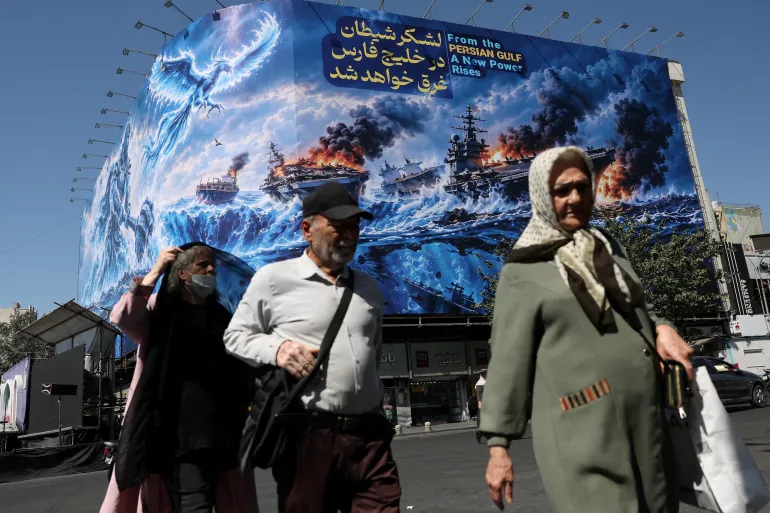
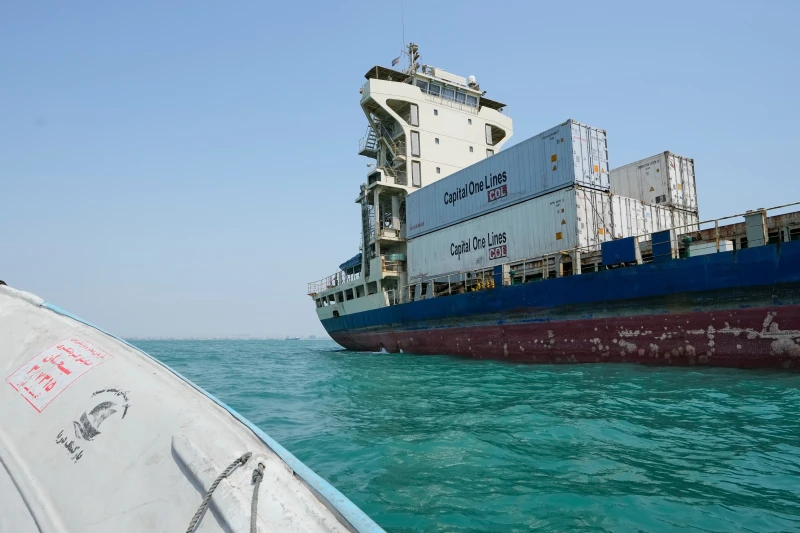
(Kaieteur News) – Since direct military clashes flared between Iran and America in February, Tehran has shown an increasing appetite for turning the Strait of Hormuz into a geopolitical cudgel. By brandishing its ability to choke off this narrow maritime artery, Iran hopes to deter further military escalation by Washington. Yet this strategy of hostage-taking against global energy markets is proving to be an act of profound self-harm—one that undercuts its own economy while inflicting indiscriminate collateral damage on global supply chains.
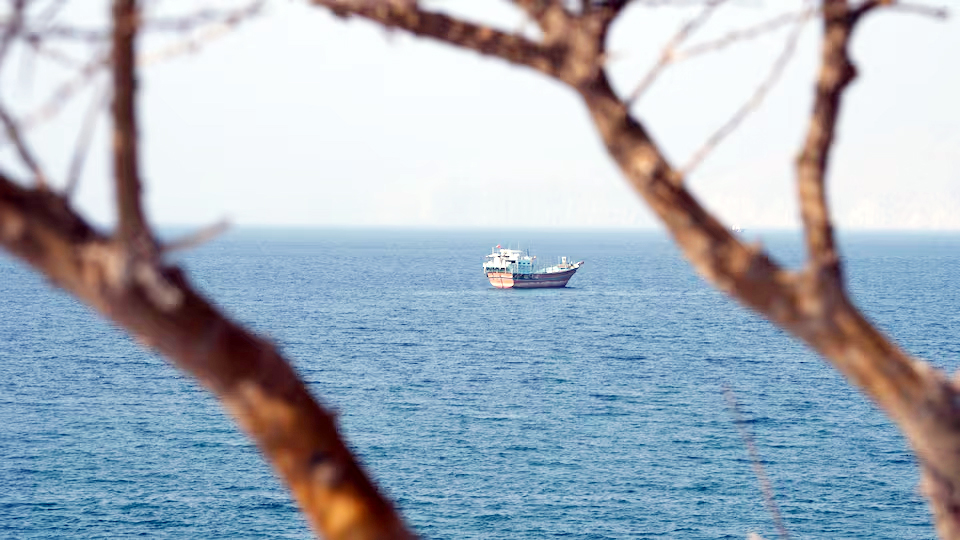
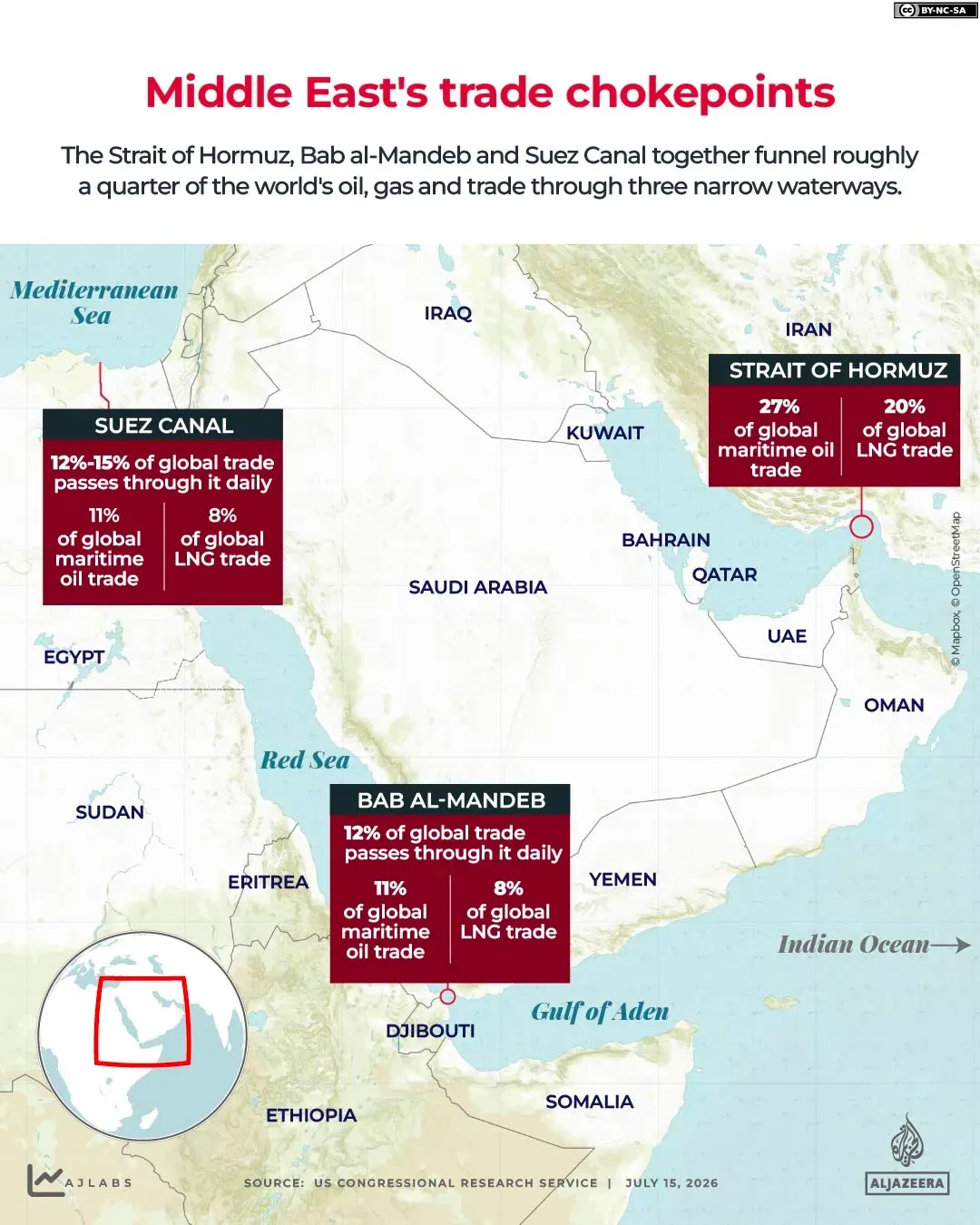
In the near term, the arithmetic of brinkmanship works in Iran’s favour. Nearly a fifth of the world’s petroleum and liquefied natural gas passes through the strait. Tehran needs not enforce a total blockade; mere maritime saber-rattling is enough to send marine insurance premiums soaring, compel shipowners to re-route, and inject acute anxiety into global oil benchmarks. By exploiting this vulnerability, Iran seeks to offset its conventional military disadvantage, forcing Washington and its allies to absorb economic costs far beyond the immediate theatre of war. To seal the deal, Tehran has put forward a maximalist seven-point list of demands—ranging from sanctions relief to unfreezing offshore assets—as a condition for re-opening the waterway.
The trouble is that this asymmetric leverage is aimed at the wrong target.
Business
Finance
Politics
Need the bigger picture?
Share this article
Comments (0)
Download our mobile app
The portable companion to gazettE. Get notifications, track read articles, and more. The latest news from Trinidad and Tobago, in one place.