OP:ED - BRAZIL ELECTONS 2026 – A PRELIMINARY ANALYSIS
Politics
October 7, 2026
Share this article
Click to view full size
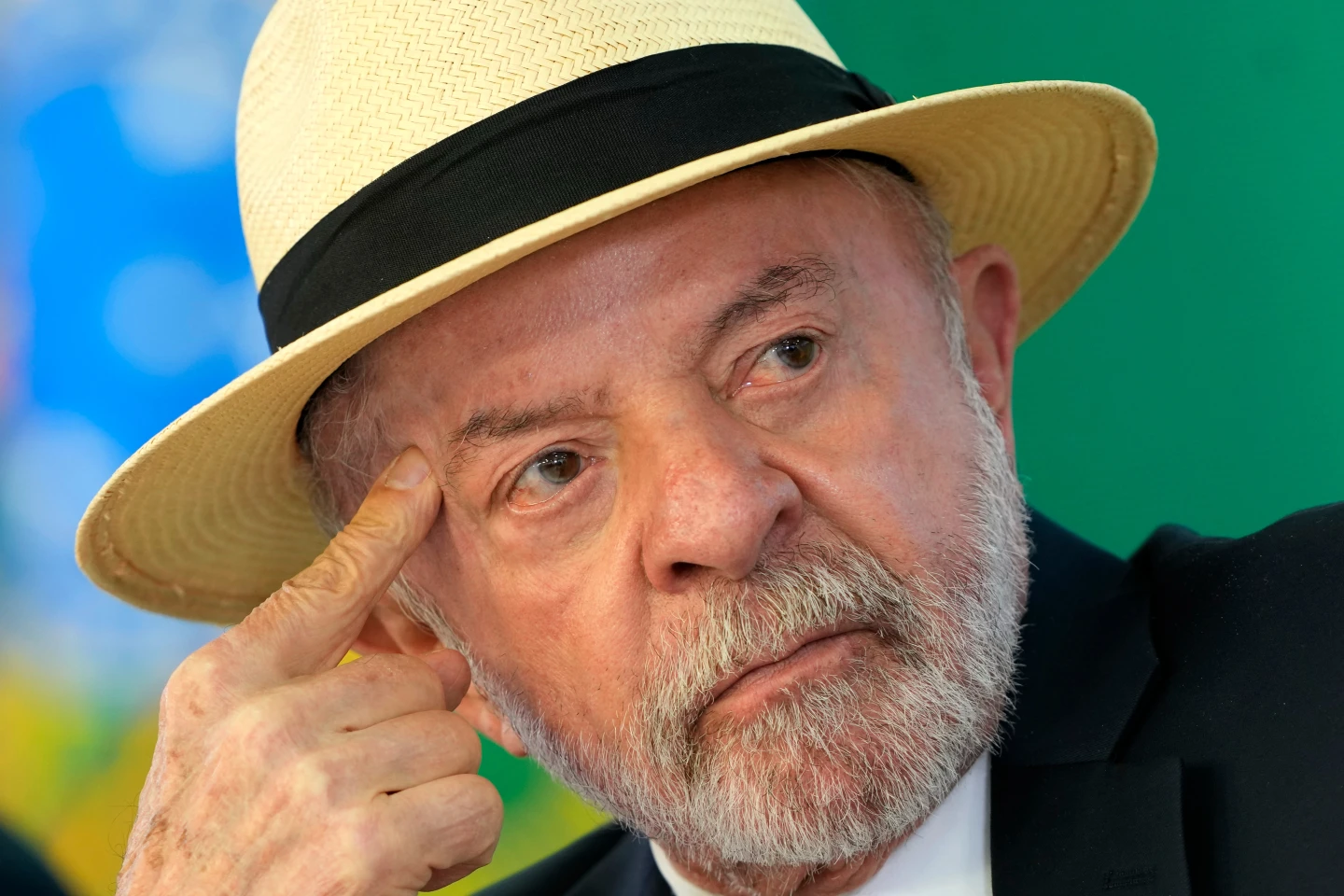
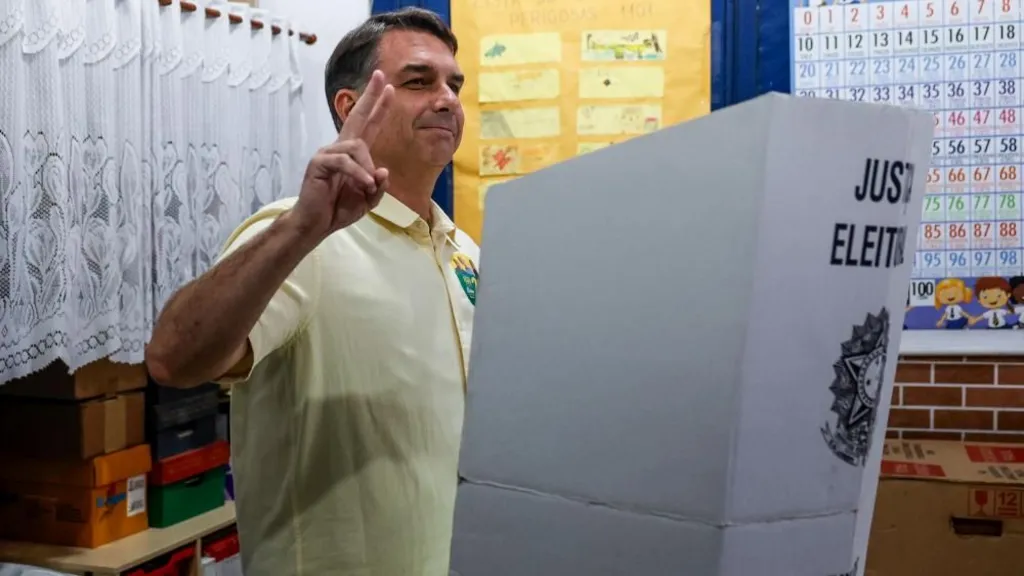
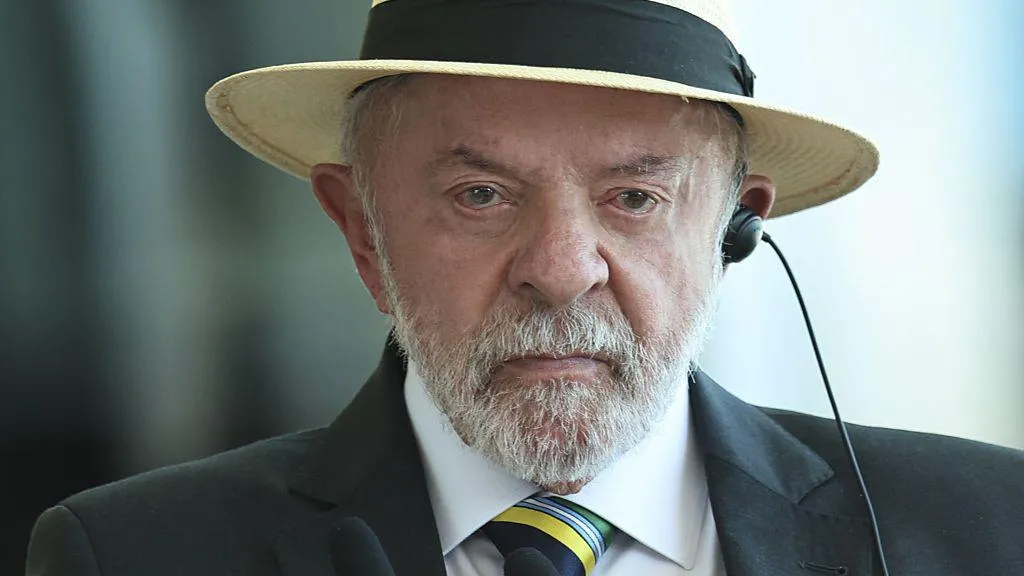
(Kaieteur News) – As widely predicted, the 2026 Brazilian presidential election goes to a second round – a runoff election- on 25th October, since neither of the two leading candidates received 50% +1 of the votes cast, with Flavio Bolsonaro, son of imprisoned former president Jair Bolsonaro receiving 47.03 % of the votes cast and incumbent President Lula Da Silva gaining 45.16% of the votes. Under the 1988 Constitution of Brazil, if no candidate receives 50 %+1 of the total votes, a runoff between the top two candidates takes place. It is interesting to note that 21.04% (33.4 million) of eligible electors did not vote at Sunday’s elections and 2.2 million blank ballots and 3.6 million invalid ballots were recorded. The eliminated candidates collectively totaled 7.82% of the votes cast. Of equal significance is that no candidate who has placed second in the initial round of a Brazilian election has ever won in a second/runoff round since it was introduced under the country’s 1988 Constitution. These statistics indicate a crucial test for President Lula, who at 80 years old, and facing an emboldened opposition, has already witnessed anti-incumbent voting and changes in government in Bolivia, Chile, Colombia, Costa Rica, Honduras, and Peru over the last year.
On the other hand, Flavio Bolsonaro won the Southeast Brazilian state of Minas Gerais in the first round and his victory in this state carries added significance, since in every election since the return to direct elections in 1989, the candidate who won this state has become Brazil ‘s president. Analysts now posit that a fresh round of mobilisation must now be initiated to receive support from the voters who supported the eliminated candidates in the first round and, at the same time, bring to the polling places, a significant number of voters who abstained from Sunday’s first round.
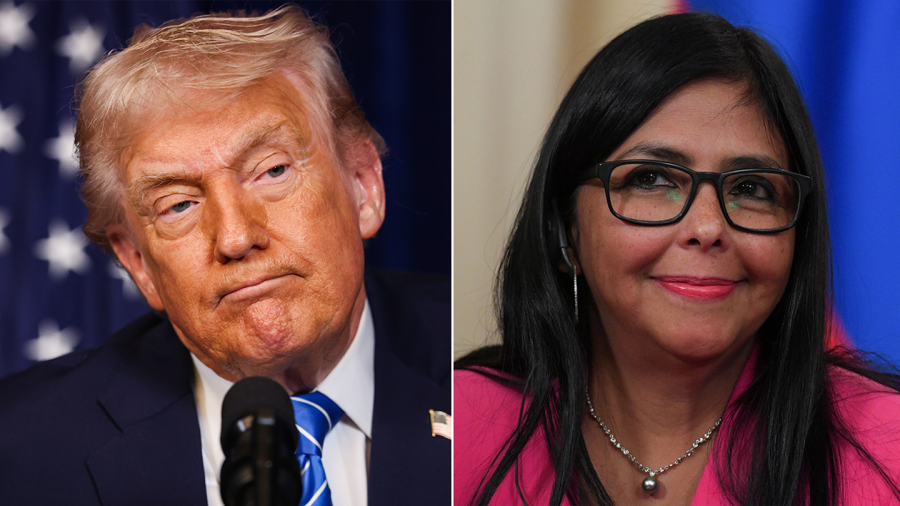
It has been observed while his right-wing political orientation remains strong, like most of the new Latin American presidents, Flavio Bolsonaro has campaigned on issues mainly articulated by frustrated citizens, and on a platform centered around fiscal conservatism, and a return to economic growth through reduced federal spending and lower taxes. Additionally, Bolsonaro has pledged aggressive policies aimed at reducing crime through the ‘mano dura’ or ‘iron fist’ approach to criminal gangs and drug traffickers, along with the construction of new prisons, following the popular model initiated by El Salvador. In relation to foreign policy, apart from being seen as a triumph for President Trump’s hemispheric policy, a Bolsonaro presidency would bring close alignment with US foreign policy positions including participation in the US-led Shield of the Americas and, in stark contrast to the Lula administration, a potential retreat from multilateralism and reduced engagement with the BRICS group.
Politics
Need the bigger picture?
Share this article
Comments (0)
Download our mobile app
The portable companion to gazettE. Get notifications, track read articles, and more. The latest news from Trinidad and Tobago, in one place.