“We can prevent an outbreak from becoming another catastrophe” – Pres Ali tells UN forum
Health
Finance
Politics
September 23, 2026
Share this article
Click to view full size
…says Global South must be ready before next global pandemic
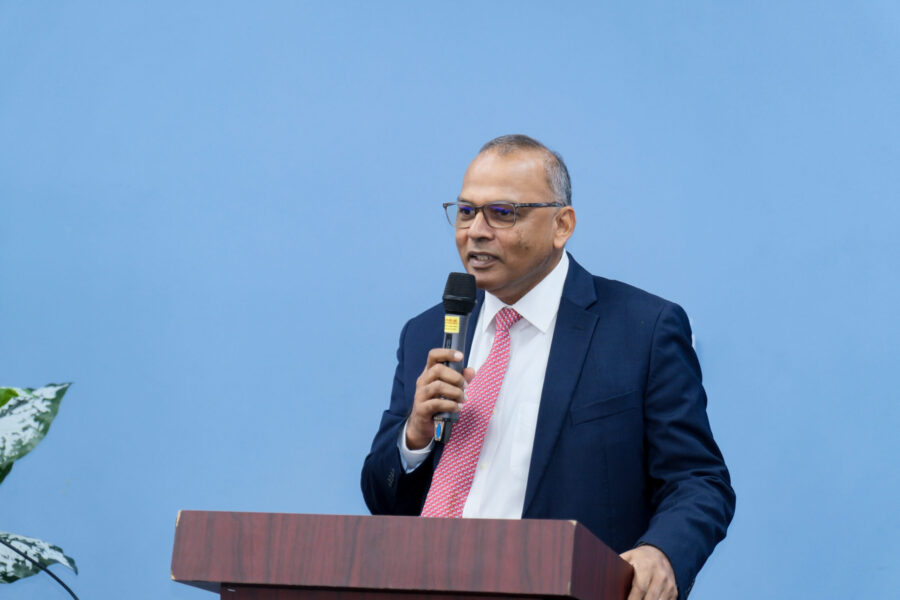
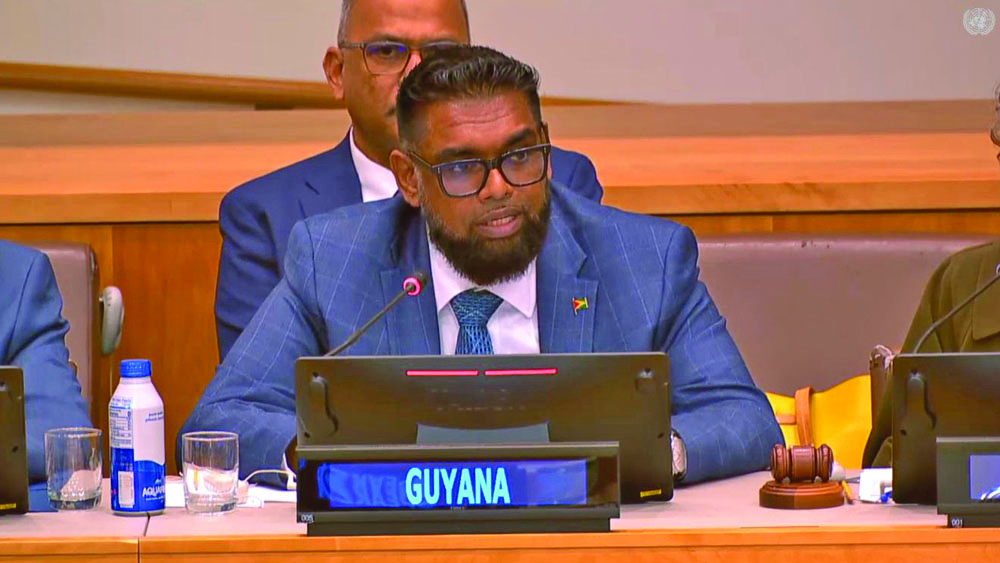
President Dr Irfaan Ali on Tuesday highlighted the urgent need for sustained global action and investment in pandemic prevention, preparedness and response so as to avoid the widespread catastrophe that COVID-19 meted out across the world. He made these remarks at a forum held on the sidelines of the 81st United Nations General Assembly (UNGA) being held in New York. As part of the week-long UNGA activities, a High-Level Meeting on Pandemic Prevention, Preparedness and Response (PPPR) will be held on Friday. But ahead of that event, Guyana on Tuesday co-chaired a high-level discussion on financing the PPPR to build global health security. The discussions brought together Heads of State, Ministers, international organisations, financing institutions and development partners from Africa and the Americas.
Addressing these stakeholders, President Ali described the COVID-19 pandemic as one of the most tragic global health crises in modern human history. He said in order to prevent a crisis of such scale and gravity, that there needs to be consistent and sustained action. “We cannot prevent every outbreak, but we can prevent an outbreak from becoming another catastrophe. That is the responsibility we carry from the pandemic and a promise we owe to those who will come after us,” he declared. The Guyanese Leader noted that the COVID pandemic exposed crucial fault lines within and between countries – something that must be repaired before the next emergency finds them. This, he emphasised, is especially true for development countries. In fact, the President outlined five key lessons to which developing nations must pay critical attention when it comes to preparing for and responding to global health crises. First on that list is building local capacity. “Preparedness must begin before the emergency,” Ali contended. “COVID-19 taught us that the real test comes when ordinary capacity is overwhelmed.” To this end, he underscored the need to build strength throughout local health systems, starting from community care and disease surveillance to laboratories, hospitals and trained personnel. This way, he explained, a surge in demand would not result in a collapse in capacity.
Health
Finance
Politics
Need the bigger picture?
Share this article
Comments (0)
Download our mobile app
The portable companion to gazettE. Get notifications, track read articles, and more. The latest news from Trinidad and Tobago, in one place.