Walk This Way: The Bridal Party Procession & Recessional
Share this article

Click to view full size
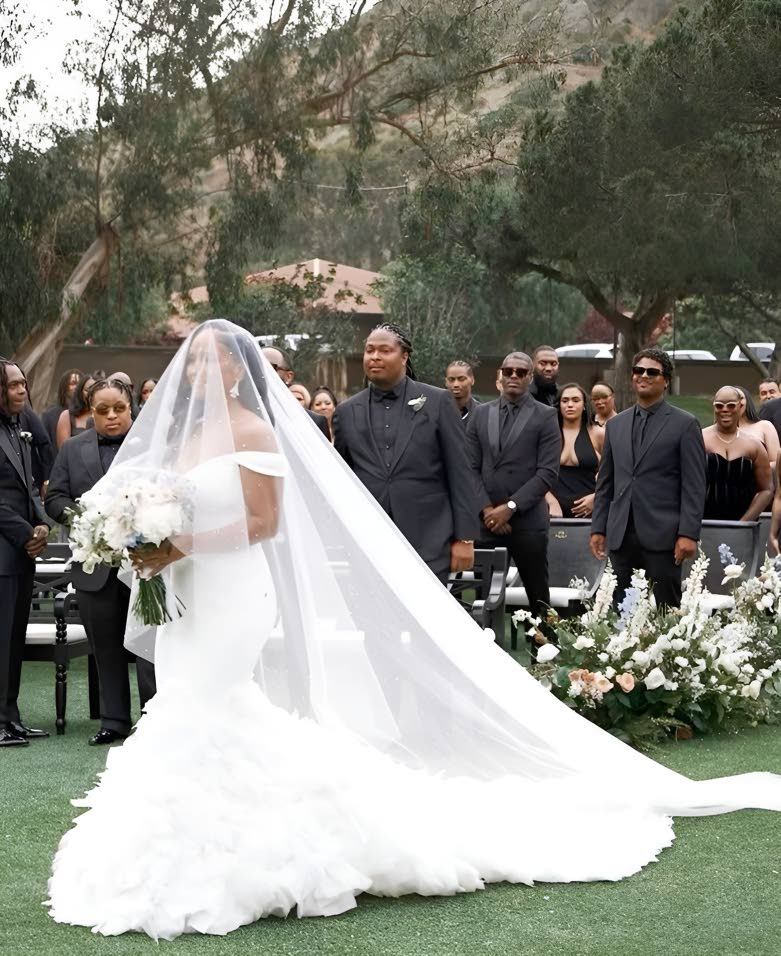
The bridal party procession is no longer just a formality — it is the opening scene of your wedding day. It sets the tone, creates emotion, and offers your first opportunity to immerse guests in your story. Today’s modern couples are moving away from simply asking “Who walks when?” and instead focusing on “How do we want this moment to feel?”
Whether soft and romantic, celebratory and energetic, or bold and cinematic, the key is intention. A timeless procession may feature live strings, a slow and graceful pace, and delicate petal scattering for an ethereal effect. A more energetic approach might incorporate upbeat music and a rhythmic flow that subtly engages guests. For those who want something deeply personal, layering different songs for different groups or adding light choreography can turn the walk into a meaningful reflection of the couple’s journey. And for destination or expansive venues, a dramatic reveal before the aisle — even before the bride begins her walk — can create a breathtaking, cinematic moment.
While creativity leads the experience, structure ensures flow. Traditionally, the procession begins with the officiant (if not already in place), followed by the grandparents, then the parents of the groom, and finally the mother of the bride, who is often the last to be seated. The groom typically takes his place at the altar — either entering from the side or walking in with his best man — followed by the bridal party, who may walk in pairs or individually depending on the desired pace and style. The maid or matron of honour enters just before the younger members of the party, such as the flower girl and ring bearer. Then comes the moment everyone has been waiting for: the bride’s entrance, whether escorted or solo, marking the emotional peak of the procession.
Need the bigger picture?
Share this article
Comments (0)
Download our mobile app
The portable companion to gazettE. Get notifications, track read articles, and more. The latest news from Trinidad and Tobago, in one place.