Finding calm after 50 - How women can reduce stress and reclaim their well-being
Health
July 15, 2026
Share this article

Click to view full size
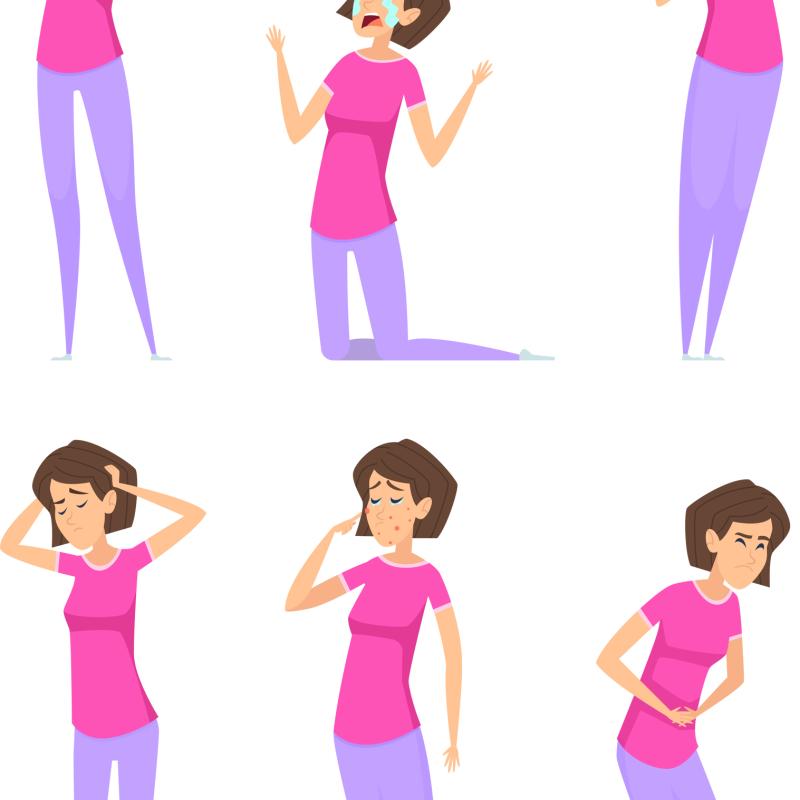
At 54, Michelle* had what many would consider a successful life. She had built a rewarding career, raised two children into adulthood, and was caring for her elderly mother while juggling the demands of work and family. To everyone around her, she appeared to have everything under control.But behind the smile was a woman running on empty.“I was constantly tired, couldn’t sleep through the night, and felt overwhelmed by the smallest things. I thought something was seriously wrong with me,” she said. After speaking with her doctor, Michelle realised she wasn’t alone. Like many women navigating midlife, she was experiencing the combined effects of menopause, changing family responsibilities and chronic stress.Instead of ignoring the warning signs, she decided to make small but meaningful changes. She began taking 30-minute walks each morning, joined a women’s book club, started practising mindfulness before bed, and made time each week to do something she genuinely enjoyed.“It didn’t happen overnight. But gradually I felt lighter. I had more energy, slept better and stopped feeling guilty about taking care of myself. I realised that self-care isn’t selfish, it’s essential,” she said. Michelle experience reflects what countless women discover after the age of 50: managing stress is no longer optional. It is one of the most important investments they can make in their health.Navigating the changes of midlife causes stress, there’s no doubt about it, and most women would welcome ways to reduce it.While stress can be beneficial in short bursts by keeping us alert and motivated, it becomes harmful when our bodies are constantly under pressure without adequate time to recover.Chronic stress causes tension to build throughout the body, increasing the risk of headaches, digestive problems, high blood pressure, chest pain, muscle tension and sleep disturbances.For women over 50, these effects can become even more pronounced. Hormonal changes associated with menopause, combined with the demands of careers, caregiving and life transitions, can make it harder for the body to bounce back.The good news is that there are practical ways to regain emotional balance.Psychiatrist Dr Charles Raison, professor of psychiatry at the University of Wisconsin, Madison, notes that lasting happiness isn’t found in accumulating more money or possessions. Instead, it comes from positive action, good health, meaningful relationships and maintaining an optimistic outlook.PRACTICAL WAYS TO REDUCE STRESSExercise regularly: Physical activity remains one of the most effective stress relievers. Whether it’s walking, swimming, yoga or dancing, regular exercise reduces stress hormones, improves mood, strengthens the heart and promotes better sleep.
Build a strong support system: Supportive relationships provide emotional security during life’s challenges. Whether through a church group, community organisation, exercise class or close circle of friends, meaningful connections remind us that we don’t have to carry life’s burdens alone.
Choose positivity: Cultivating gratitude can help shift perspective. Keeping a gratitude journal or taking a few moments each day to reflect on life’s blessings can improve emotional well-being and build resilience.
Health
Need the bigger picture?
Share this article
Comments (0)
Download our mobile app
The portable companion to gazettE. Get notifications, track read articles, and more. The latest news from Trinidad and Tobago, in one place.