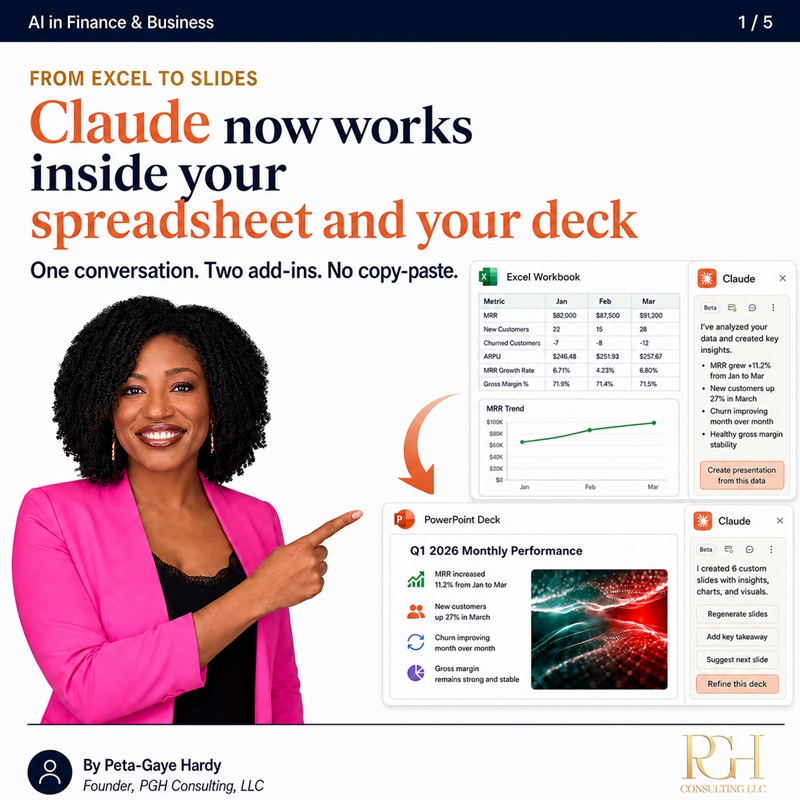
The invisible watermark — AI-written text can now be identified, and what that means for your business
Business
Legal
August 14, 2026
Share this article
Click to view full size
On Tuesday, 11 August, Anthropic confirmed a change this column has been expecting for a while: text generated by its newest Claude models now carries an invisible watermark, woven into the words themselves, everywhere Claude is used, worldwide. Supported files such as images get a signed provenance label on top, under the industry C2PA standard. The trigger is European law — the EU AI Act’s transparency rules became enforceable for newly launched AI systems on 2 August — but rather than run a separate European version, Anthropic is applying the marking globally.
Nor is this a Claude quirk. OpenAI, Google, Microsoft, and Meta have signed the same European code of practice, and platforms have begun flagging AI content on their own initiative. The direction is settled: AI-generated content is becoming identifiable. Any business that has built AI into its weekly routine, as this column has been encouraging for ten weeks, should understand what that means before the detection tools land in other people’s hands.
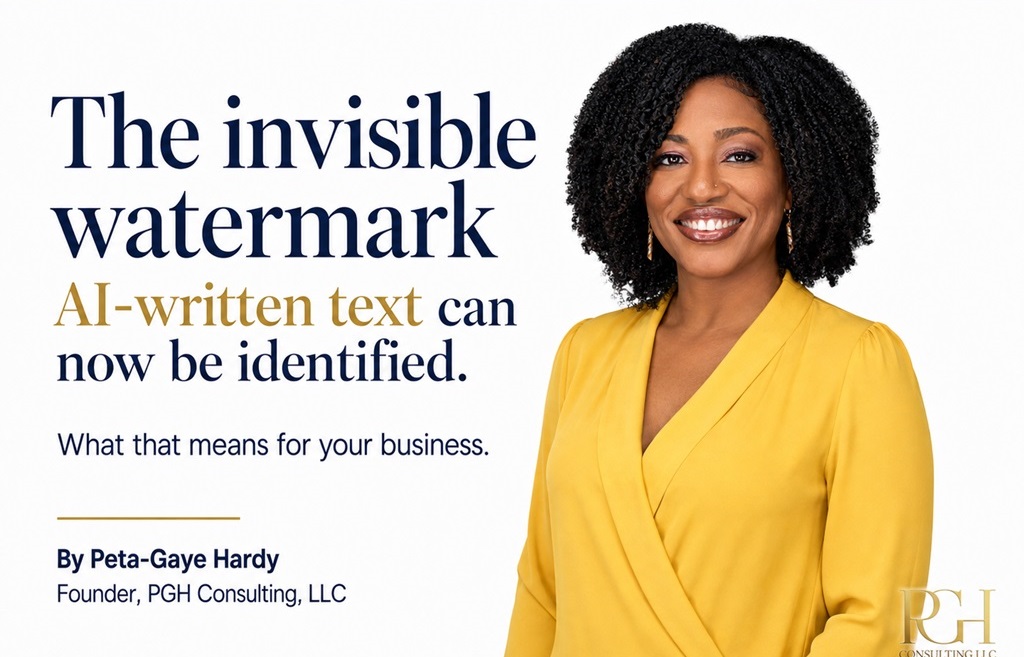
New Claude models watermark their text at the model level, wherever Claude is used — withsigned provenance labels on files beyond text. (Branded graphic by PGH Consulting, LLC)
Business
Legal
Need the bigger picture?
Share this article
Comments (0)
Download our mobile app
The portable companion to gazettE. Get notifications, track read articles, and more. The latest news from Trinidad and Tobago, in one place.