APNU Warns Against Scapegoating Constables, Demands Answers Over Surveillance Breach
Politics
Crime
Legal
November 3, 2026
Share this article
Click to view full size
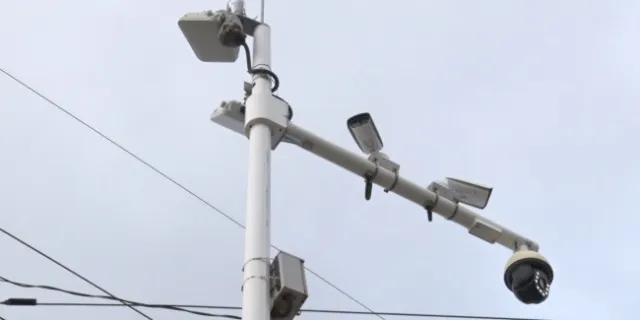
By Mark DaCosta- The leak of footage from the Guyana Police Force’s Command Centre is not the misdeed of a single officer. It is the product of a government and a police leadership that built a sensitive surveillance system without securing it, and that now lurches from one improvised response to the next. That is the central charge of the People’s National Congress Reform/A Partnership for National Unity (PNCR/APNU), which on 2 November turned the national argument away from individual guilt and towards institutional competence.
The affair centres on recordings tied to the October 12 shooting incident involving Opposition Leader Azruddin Mohamed and Senior Superintendent Prem Narine, head of the Special Branch. Police allege that a 20-year-old constable on duty at the Command Centre, Ryan Greene, copied the footage onto a flash drive and handed it to Mohamed, allegedly in exchange for GY$800,000. Mohamed has maintained that the roughly 23-minute recording supports his claim that the encounter was a failed attempt on his life. Both Greene and Mohamed were refused bail and remanded until November 24 after being charged under the Cybercrime Act. None of the allegations has been tested in court.




The controversy widened on Monday with the charging and remand of another police officer, Constable Ashton Chappell, who was charged with the same offence and ordered to remain in prison until November 24. His arrest adds another dimension to the controversy surrounding the unauthorised disclosure of sensitive police surveillance footage and raises further questions about the security protocols, internal controls and supervision governing access to the Command Centre’s recordings.
Politics
Crime
Legal
Need the bigger picture?
Share this article
Comments (0)
Download our mobile app
The portable companion to gazettE. Get notifications, track read articles, and more. The latest news from Trinidad and Tobago, in one place.