MV Barima: A Nation’s Tragedy Unfolds Amid Official Silence
Politics
Crime
July 21, 2026
Share this article
Click to view full size
Disclaimer: This article is a chronological compilation of what is being reported across the media landscape as of 14:00 hrs (2 pm) on Monday, July 20, 2026. It represents a synthesis of both officially verified information and unverified media reports, given the pronounced vacuum of official data made available to the press and the public.
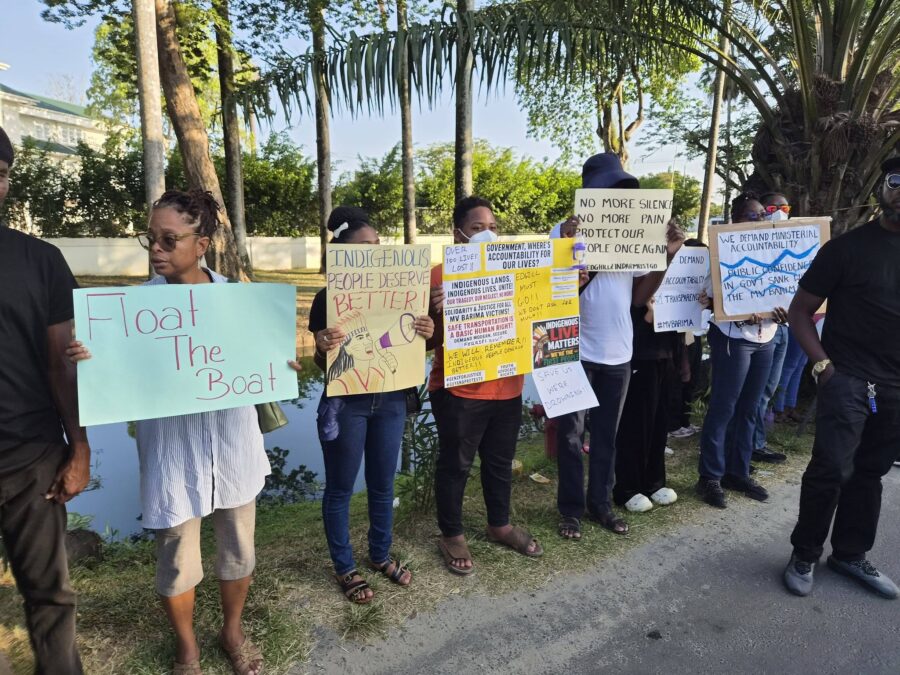
Our nation is grappling with a maritime catastrophe of potentially staggering proportions, one that has been compounded by institutional failures, a fundamentally flawed passenger manifest, and a troubling absence of transparent communication from those in authority. What began as a routine ferry voyage from Georgetown to Port Kaituma has descended into a national crisis that raises profound questions about maritime safety, regulatory oversight, and the government’s willingness to keep its citizens informed during moments of grave peril.
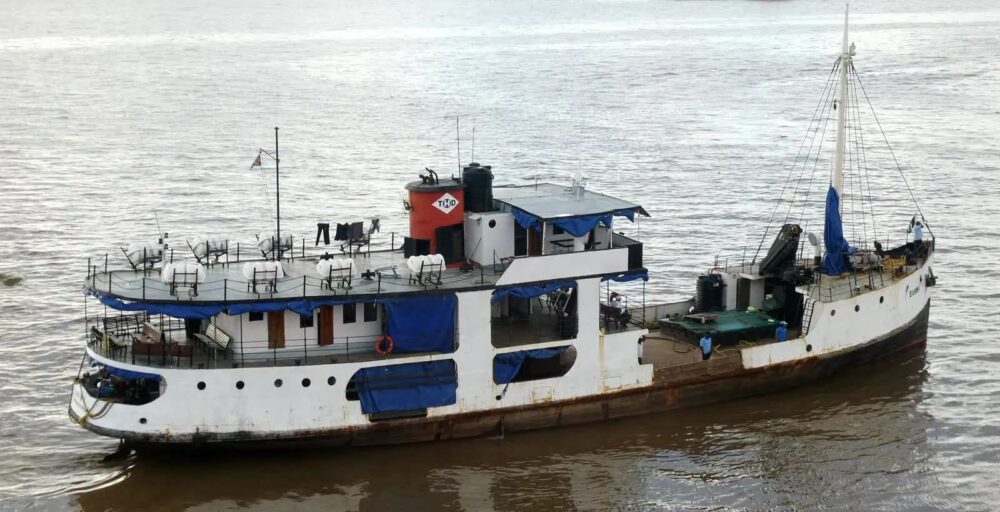
The chronology of this disaster begins on Saturday afternoon, when the MV Barima — a vessel whose origins stretch back to 1939 — departed the capital with what authorities initially claimed was 116 passengers, 17 crew members, and 268 tonnes of cargo aboard. The ship, which had been scheduled for dry docking later this year following maintenance work carried out in 2024, was licensed to carry in excess of 300 passengers and was reportedly furnished with 250 life jackets and multiple life rafts. These details, provided by official sources, constitute what little verified information the public has received.
Politics
Crime
Need the bigger picture?
Share this article
Comments (0)
Download our mobile app
The portable companion to gazettE. Get notifications, track read articles, and more. The latest news from Trinidad and Tobago, in one place.