Edghill’s Swift Suspensions of MV Barima Workers Raise More Questions Than Answers
Crime
Politics
Legal
July 20, 2026
Share this article

Click to view full size
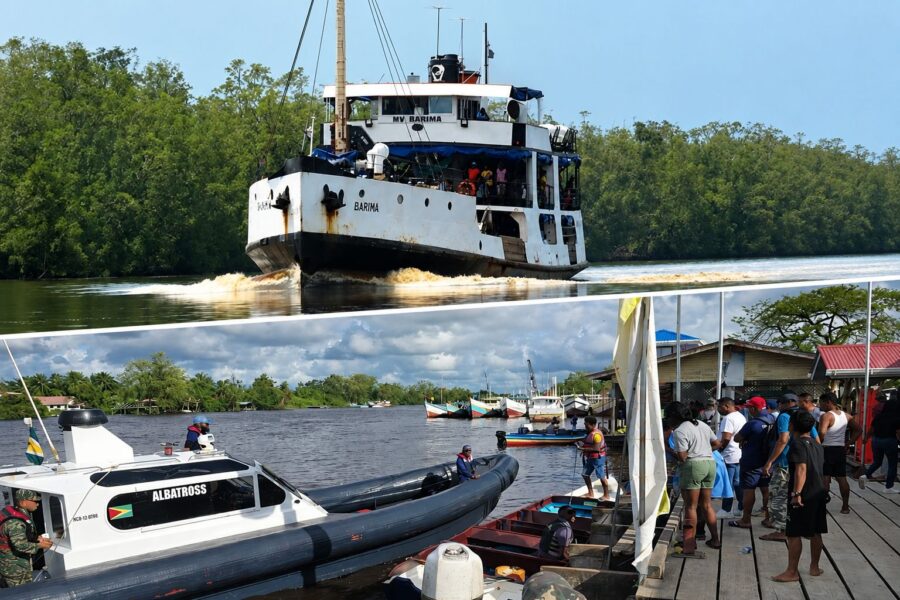
The Government’s decision to suspend the entire management team responsible for the loading, dispatch, and operation of the MV Barima may have been intended to demonstrate decisive action. Instead, it has intensified scrutiny of what is rapidly becoming one of Guyana’s worst maritime disasters and raised fresh questions about whether the tragedy resulted from isolated human error or systemic failures within the country’s maritime regulatory framework.
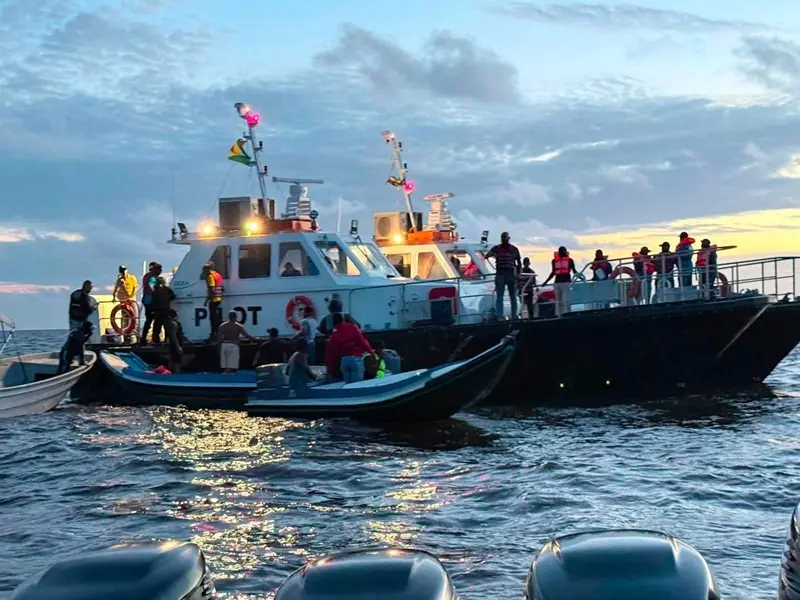
The MV Barima departed Georgetown with 133 people officially recorded on board—116 passengers and 17 crew members. As of Monday afternoon, authorities had confirmed that 67 people had been rescued and 10 bodies recovered, leaving at least 56 people still unaccounted for based on the official manifest. However, the true toll may be even higher because authorities have acknowledged that the passenger manifest was inaccurate and that additional passengers were aboard the vessel who were never officially recorded.
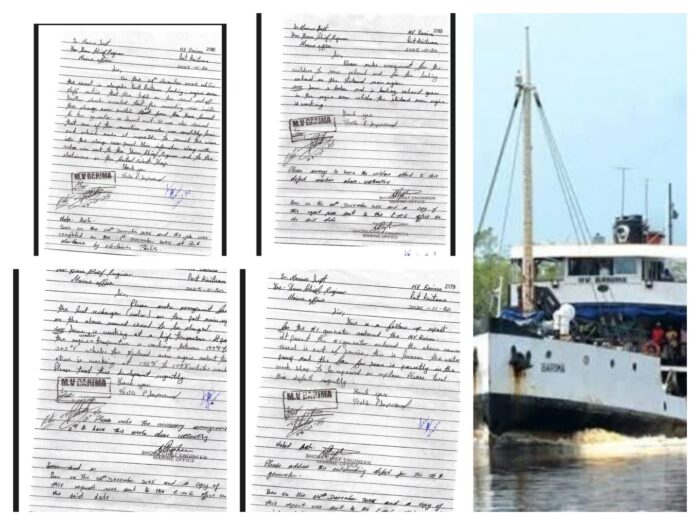
Public Works Minister Bishop Juan Edghill said the suspensions were necessary to preserve the integrity of the investigation and prevent “any potential tampering with or interference in evidence.” While that explanation is consistent with standard investigative practice, it also raises a fundamental question: if investigators were able to identify “major operational breaches” within hours of the vessel’s capsizing, how were those deficiencies not detected before the MV Barima left Kingston Goods Wharf?
Crime
Politics
Legal
Need the bigger picture?
Share this article
Comments (0)
Download our mobile app
The portable companion to gazettE. Get notifications, track read articles, and more. The latest news from Trinidad and Tobago, in one place.