OP:ED - THE MANY FACES OF EL NIÑO
Finance
Business
October 20, 2026
Share this article

Click to view full size
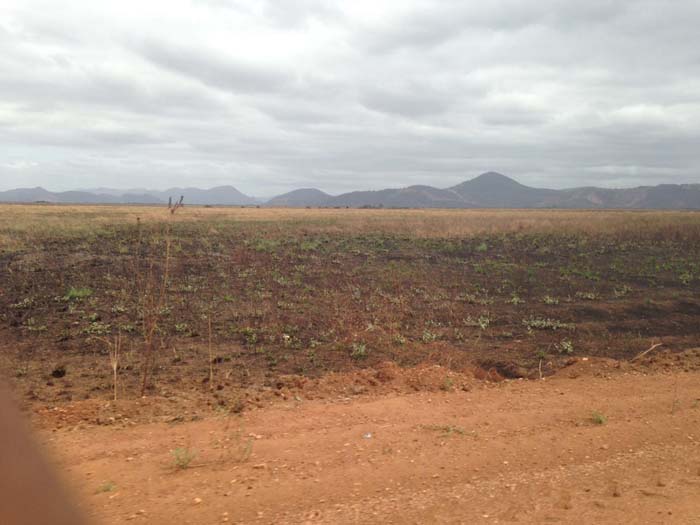
(Kaieteur News) – In April 2024, Bogotá was forced to ration its water supply when the Chingaza system, which provides 70% of the city’s water, fell to approximately 16% of its capacity. In Grenada, prolonged drought led the Government to declare a national water crisis in May 2024, as reservoir levels fell to unprecedented lows and water restrictions were introduced across the country. In Panama, drought forced authorities to reduce daily transit slots through the Panama Canal, one of the world’s main arteries of trade, from 36 to 22. Meanwhile, Ecuador experienced the opposite: between December 2023 and March 2024, rainfall associated with El Niño affected approximately 160,000 people and more than 35,000 homes. Four countries, one climate phenomenon, and profoundly different consequences.
Traditionally, when we think of El Niño, we associate it with a lack of rainfall and prolonged droughts. Yet its effects are far more wide-ranging. While it increases the risk of drought in some areas, in others it brings extreme rainfall and flooding. This reality underscores the need to tailor our response to climate phenomena to the specific vulnerabilities and needs of each territory. There can be no one-size-fits-all solutions to threats that manifest themselves in such different ways.
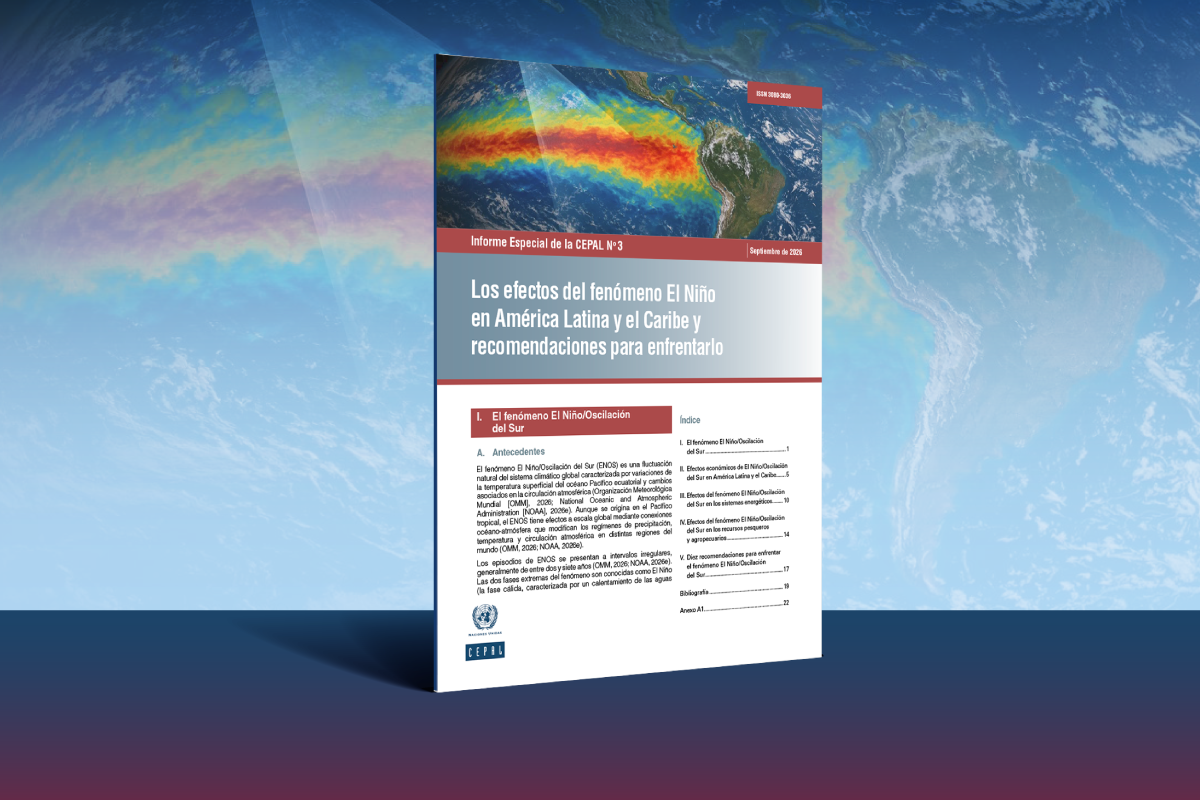
This lesson is particularly relevant as a new El Niño event intensifies in the Pacific. The World Meteorological Organization forecasts that it will reach its peak in December. This El Niño has the potential to be the strongest in the past 100 years. It poses a threat to the well-being and livelihoods of millions of people and communities already facing difficult circumstances.
Finance
Business
Need the bigger picture?
Share this article
Comments (0)
Download our mobile app
The portable companion to gazettE. Get notifications, track read articles, and more. The latest news from Trinidad and Tobago, in one place.