Kurupung Uranium Permit Faces Indigenous Opposition
Politics
Health
November 29, 2026
Share this article
Click to view full size
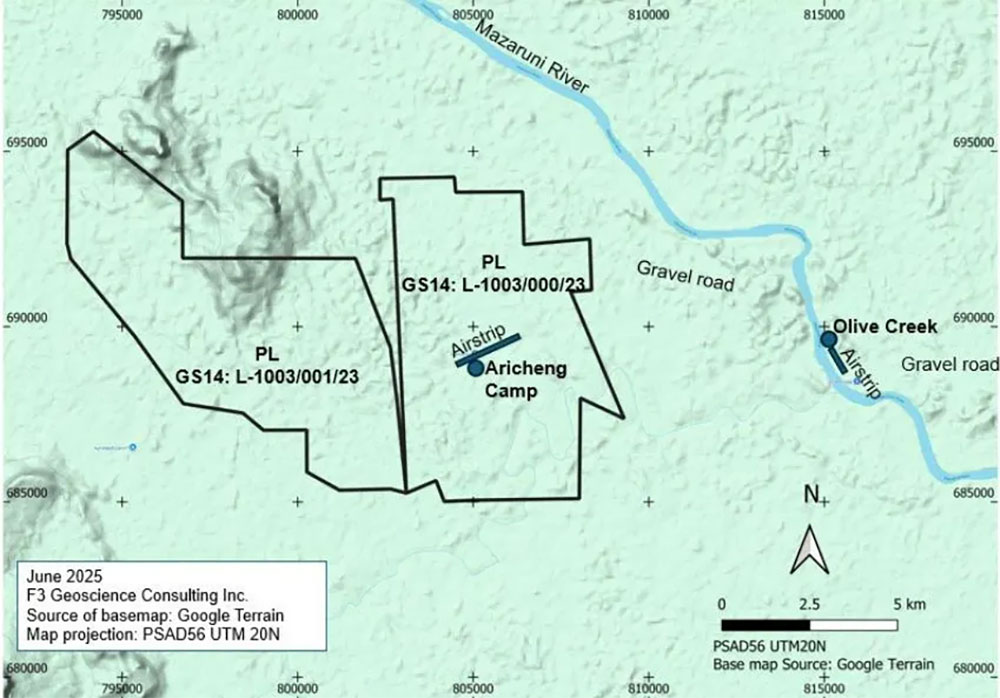
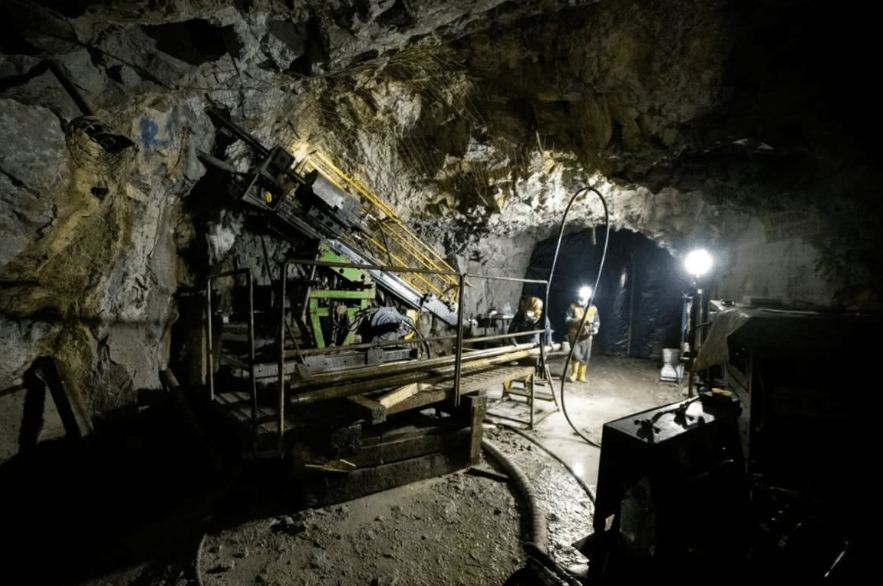
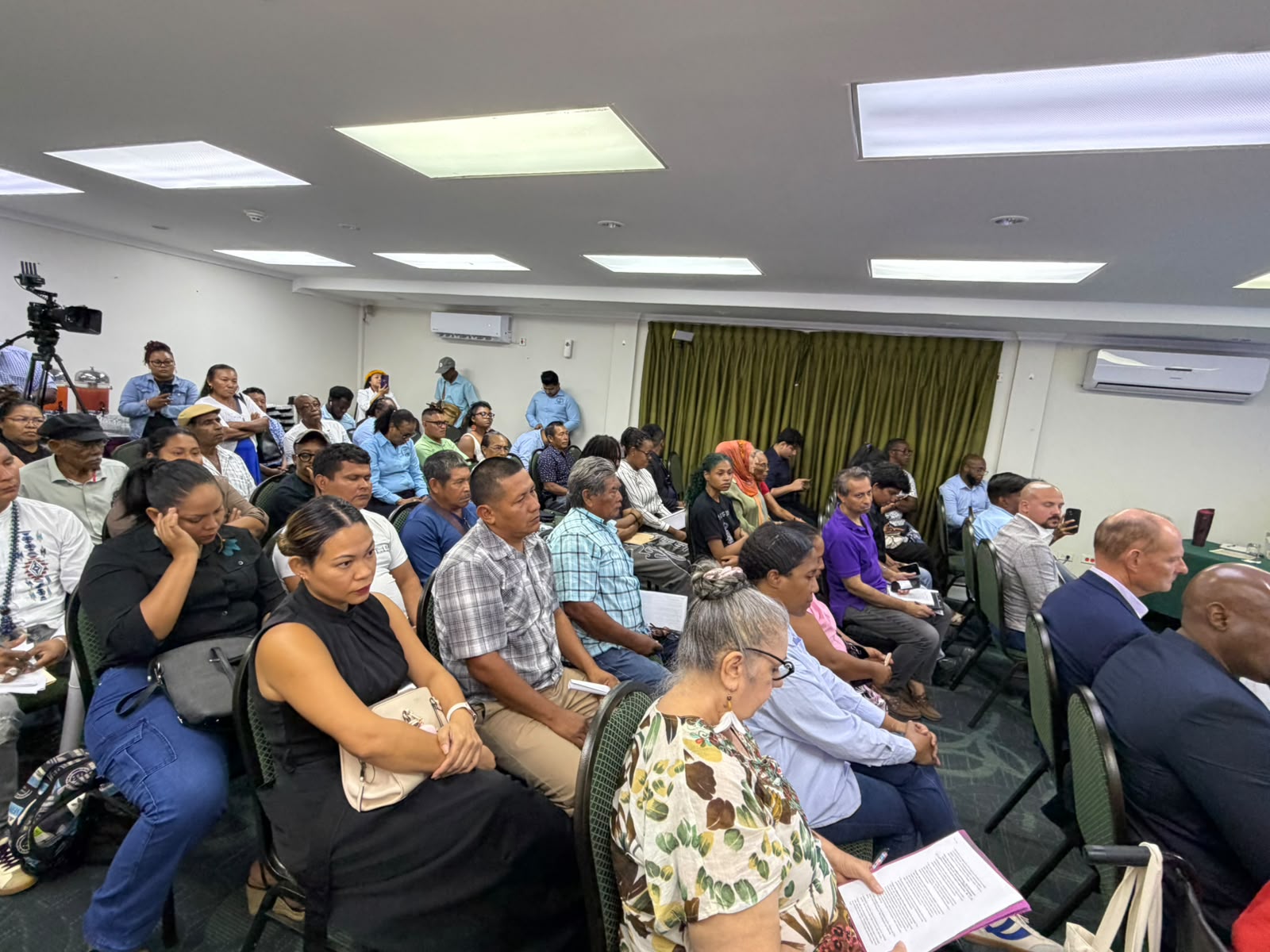
By Mark DaCosta-Hinterland communities in our country have once again been asked to trust a process that reached them last, not before. Amerindian residents and civil society activists want the Environmental Assessment Board (EAB) to revoke a uranium exploration permit at Kurupung, Region Seven, and to order a full environmental and social assessment before more work proceeds.
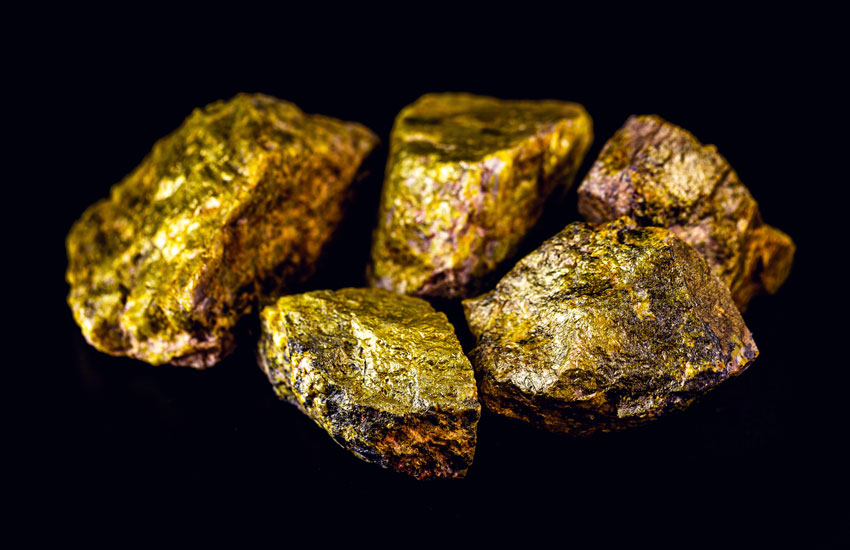
Uranium is a naturally occurring, dense, radioactive metal found in small amounts in rocks, soil and water. It is best known as fuel for nuclear power stations, once its fissile content is enriched. It is also used in nuclear weapons and naval reactors. Guyana has no nuclear power plant, as far as we are aware, and no domestic uranium industry. Whatever is mined here would not light a Guyanese home or serve a Guyanese hospital. It would be exported, which means our communities would carry the local risks while the end uses lie elsewhere.
Those risks are easy to misstate in either direction, so precision matters. Natural uranium is only weakly radioactive, and its health effects come mainly from its chemical properties, with kidney damage the most likely outcome of ingesting large amounts. Those kidney effects are described as mild and reversible once exposure stops. The greater concern is what uranium becomes. It decays very slowly into radium and radon gas. A National Research Council review found that long exposure to radon decay products is generally the largest radiation-related health risk from uranium mining and processing.
Read the full story
Continues on Village Voice
Politics
Health
Share
Need the bigger picture?
Comments (0)
Download our mobile app
The portable companion to gazettE. Get notifications, track read articles, and more. The latest news from Trinidad and Tobago, in one place.