Hill & Gully Ride rhythm put culture back at the centre
Politics
June 1, 2026
Share this article
Click to view full size
There is a pattern in Jamaica that has nothing to do with politics and everything to do with who we are as a people. When a cultural moment arrives — and they do arrive — more often than we deserve given how little we invest in our own heritage, we do not ask what it is opening up for us. We ask what is wrong with it. We find the thing to be offended by, we sharpen our arguments, we write our letters and record our videos, and somewhere in the middle of all that righteous noise, the moment quietly closes. The door swings shut. And we move on, having defended the culture without ever actually using it.
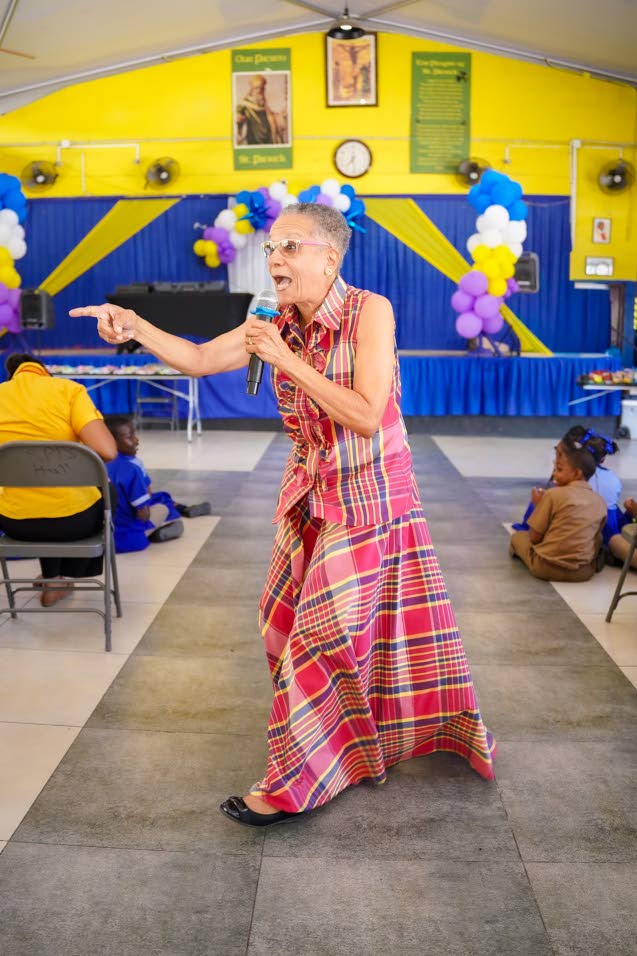
I say this with love, because it is love that compels me to respond to a recent Instagram video from one of Jamaica’s most treasured cultural voices, Fae Ellington, broadcaster, actress, and a woman who has given decades of her life to preserving what makes us Jamaican. In the video, Aunty Fae expressed her deep concern about Stephen “Di Genius” McGregor’s Hill and Gully Ride rhythm, acknowledging his achievement in bringing the folk melody into contemporary culture, but drawing a sharp line at what she described as artistes “getting down in the gutter” likening explicit songs built on Hill and Gully Ride and Manuel Road to singing nastiness over our own anthem. She was angry, she said, because entertainers are supposed to know better. She asked how we explain this to a child. She asked what exactly we expect a child to sing. It was a passionate, heartfelt intervention from a woman who genuinely loves this culture. I do not doubt that for a single second. But with the greatest respect, Aunty Fae, I believe that in focusing on what is wrong with this moment, we risk doing what Jamaica always does, arguing the door shut before we ever walk through it.
I want to tell you what I saw on the other side of that door before anyone convinces you to look away: Jamaicans at Coronation Market and at a bus stop doing Dinki mini. I saw Generation Z mentees of mine, young people who, by their own admission, barely knew these songs existed outside Festival season, singing Hill and Gully Ride with pride and posting it on their pages. I saw something that no curriculum, no cultural policy, and no amount of well-intentioned condemnation has managed to produce in years: Young Jamaicans genuinely connected to the folk music of their ancestors, not because they were told to, but because a producer made it irresistible.
Politics
Need the bigger picture?
Share this article
Comments (0)
Download our mobile app
The portable companion to gazettE. Get notifications, track read articles, and more. The latest news from Trinidad and Tobago, in one place.