The Cuffy Monument: Guyana’s Eternal Beacon of Freedom, Resistance and Democratic Struggle
Politics
August 2, 2026
Share this article
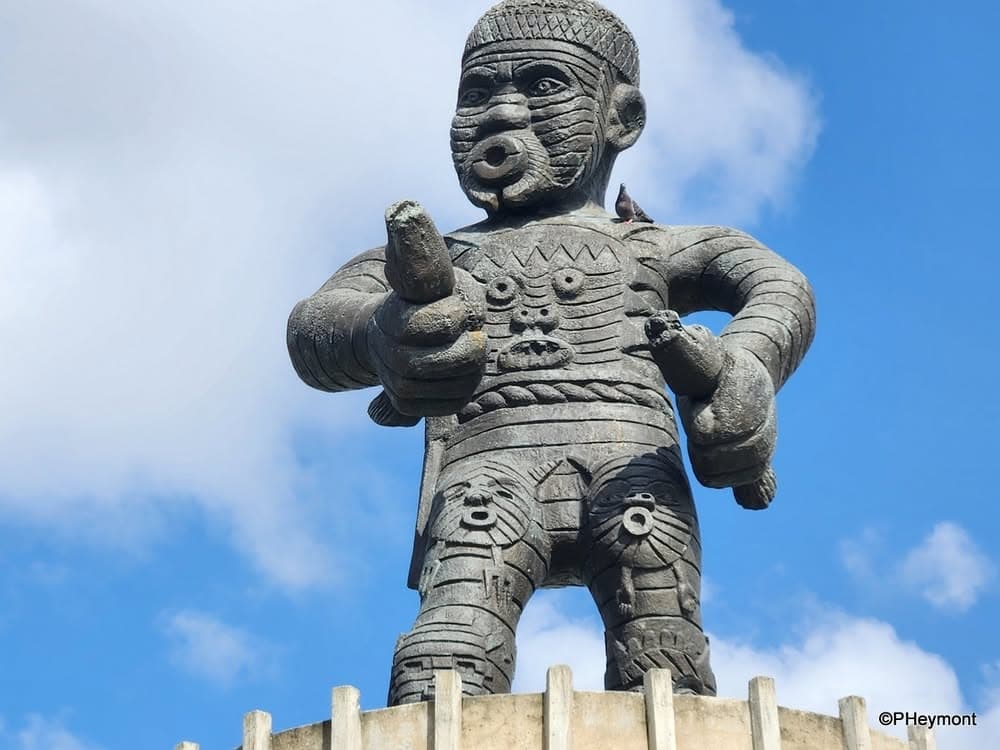
Click to view full size
The name Cuffy is of Akan (Ashanti) origin from present-day Ghana, where it was traditionally given to a boy born on a Friday. In Guyana, however, the name has come to embody far more than its linguistic roots. It is forever linked to Cuffy (also spelled Coffy or Kofi), the enslaved African who led the 1763 Berbice Slave Rebellion against Dutch colonial rule, transforming the name into an enduring symbol of resistance, courage, freedom and the struggle for self-determination.
Standing majestically at the eastern end of Brickdam in Georgetown’s Square of the Revolution, the 1763 Monument, popularly known as the Cuffy Monument, is far more than a striking bronze sculpture. It stands as a powerful tribute to Cuffy and the thousands of enslaved Africans who dared to defy one of history’s greatest injustices. Their fight for freedom during the 1763 Berbice Slave Rebellion—one of the earliest and largest organised slave uprisings in the Americas—remains one of the defining chapters in Guyana’s history.
On February 23, 1763, enslaved Africans on Plantation Magdalenenburg in Berbice rose against the brutal conditions under Dutch colonial rule. The rebellion quickly spread across the colony, with Cuffy assuming leadership and organising thousands of enslaved men and women in their fight for freedom.
Politics
Need the bigger picture?
Share this article
Comments (0)
Download our mobile app
The portable companion to gazettE. Get notifications, track read articles, and more. The latest news from Trinidad and Tobago, in one place.