$4B allocated to 34 hinterland airstrips to reduce travel costs – De Armas
Business
Politics
November 10, 2026
Share this article
Click to view full size
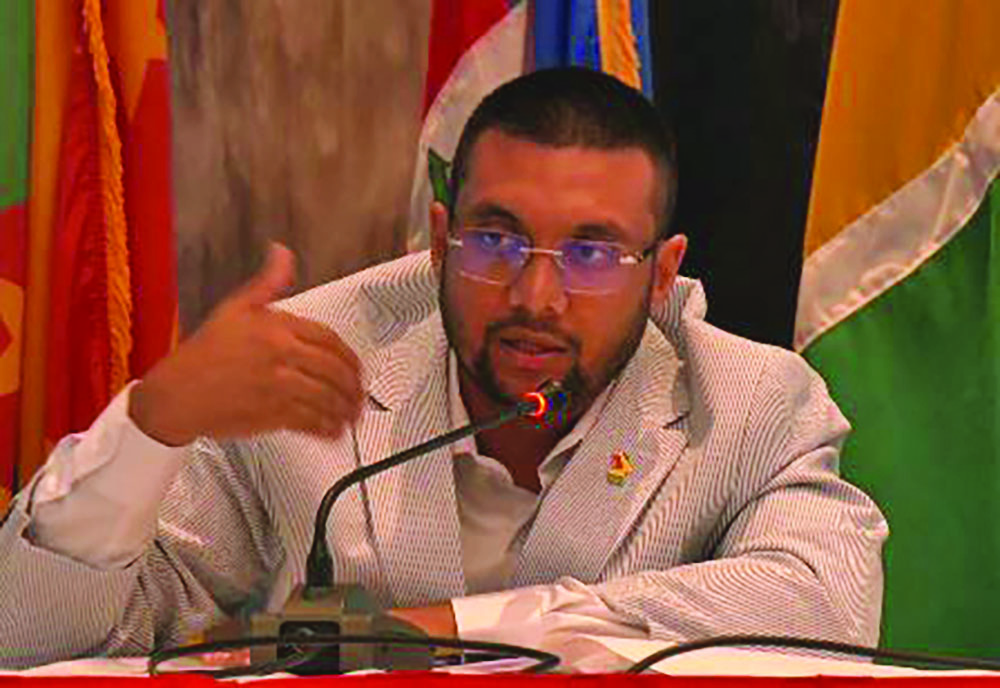
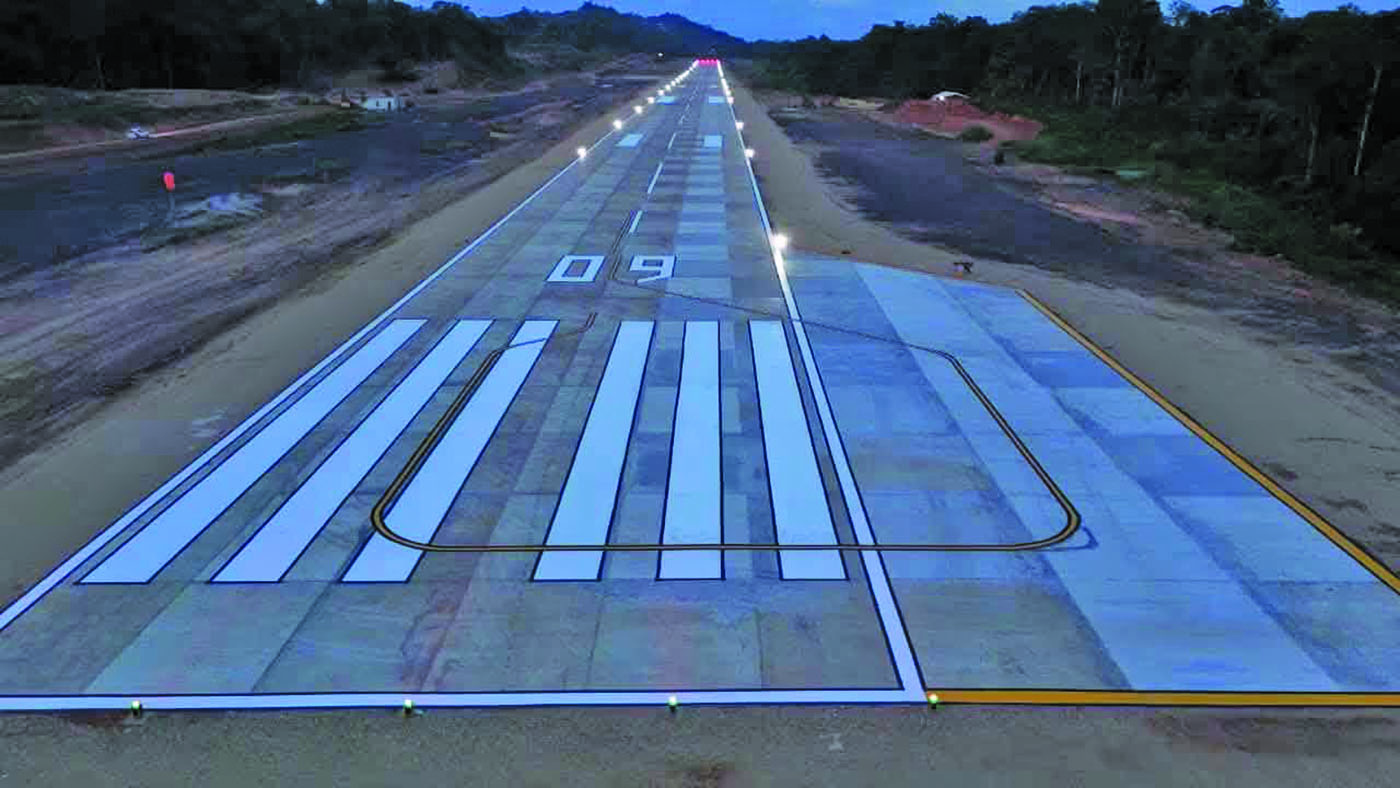
Since the creation of the Public Utilities and Aviation Ministry, work has been advanced on the tendering of 34 hinterland airstrips for rehabilitation and construction, with some $4 billion already allocated towards the projects as the Government seeks to improve access to remote communities and strengthen the country’s aviation infrastructure. Director General of the Ministry, Alphonso De Armas made the disclosure during a recent episode of the Starting Point podcast, where he outlined the importance of expanding air access to remote communities and supporting the country’s wider aviation ambitions.
“Since this Ministry was created, we’ve gone to tender for the rehabilitation or construction of 34 new airstrips in the hinterland. These are airstrips that are probably the most heavily used, have economic or agricultural importance, or serve more populated areas. I expect those projects will be awarded soon and construction will start, but we’ve already allocated about $4 billion in our budget for those airstrip projects.” He emphasised the importance of rehabilitating hinterland airstrips, noting that several indigenous communities have invested in tourism infrastructure but continue to face challenges attracting visitors due to the high cost and difficulty of accessing their villages.
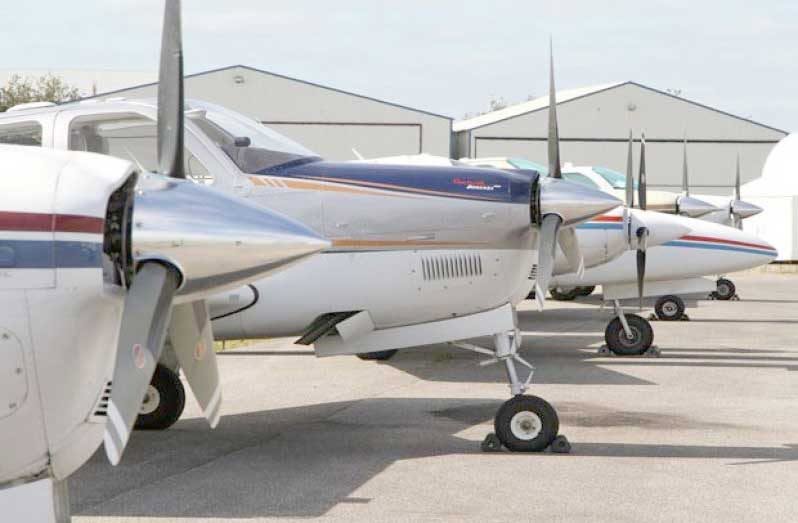
He explained that some communities have used funds received through the Low Carbon Development Strategy (LCDS) to construct guest houses, purchase outboard engines and boats, and develop other tourism-related services. Improving access through the rehabilitation of airstrips, he said, was critical to bringing more visitors into these communities, highlighting Aral as an example of a village with significant tourism potential. “Building new airstrips or rehabilitating those that are already there but are not in good condition helps to reduce the cost of travelling to those areas. Many of these airstrips currently only accommodate smaller aircraft. However, once they are expanded and rehabilitated, they can accommodate 19-seater aircraft. This allows airlines and operators to charge less per seat because of economies of scale, thereby reducing the cost of flying into those regions.”
Business
Politics
Need the bigger picture?
Share this article
Comments (0)
Download our mobile app
The portable companion to gazettE. Get notifications, track read articles, and more. The latest news from Trinidad and Tobago, in one place.