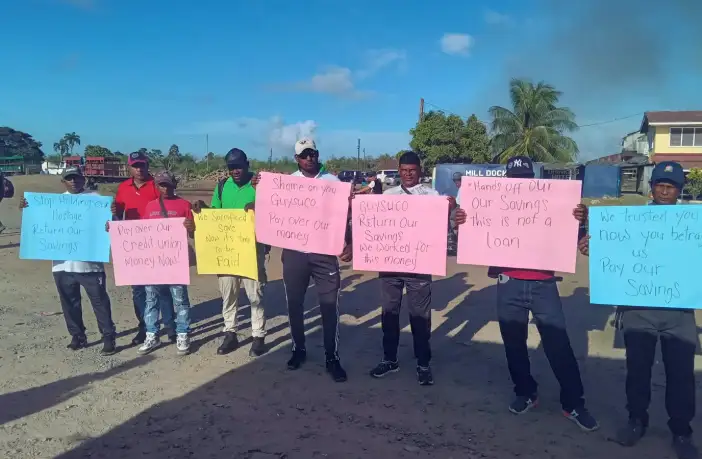
Credit Unions: Building Financial Security for Guyanese Workers
Business
Finance
Legal
October 18, 2026
Share this article

Click to view full size
Credit unions have played an important role in helping Guyanese workers save, access loans and improve their living conditions, offering a cooperative approach to financial security that has supported working families for generations.
Guyana’s cooperative credit movement dates back to the early 1900s. In 1905, Victoria Village established one of the country’s first cooperative credit banks, inspired by European models that provided small loans at affordable rates. Other villages followed, using pooled resources to help farmers and working-class communities avoid high-interest moneylenders and finance economic activities.

Related coverageGuyana Development Bank Opens With US$100 Million to Fund Small Businesses13 reports


The movement later expanded into organised workplaces. The Guyana Public Service Co-operative Credit Union, for example, was established in 1964 following the financial hardships experienced by public servants during the 90-day strike of 1963. Workers joined together to create a source of savings and loans that could help members withstand future financial difficulties.
Business
Finance
Legal
Need the bigger picture?
Share this article
Comments (0)
Download our mobile app
The portable companion to gazettE. Get notifications, track read articles, and more. The latest news from Trinidad and Tobago, in one place.