APNU Presses Britain for Slavery Reparations
Politics
Finance
October 31, 2026
Share this article

Click to view full size
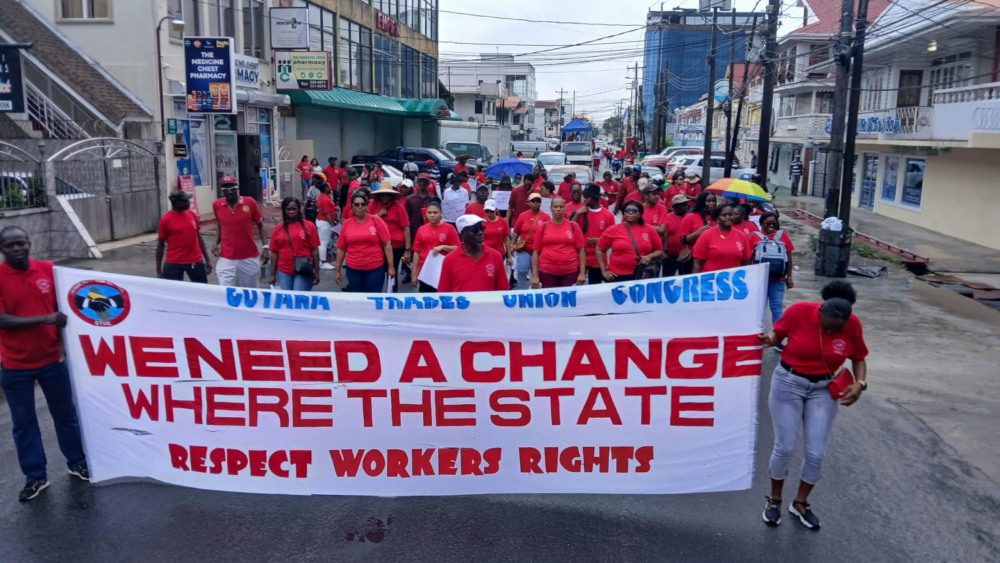
By Mark DaCosta- A Partnership for National Unity (APNU) has pushed the reparations question back to the centre of national debate. In a press statement dated 30 October 2026, the opposition coalition called on the United Kingdom to open formal negotiations with Guyana. It argues that Britain’s 1833 compensation of enslavers, with nothing offered to the enslaved, left a moral and economic debt that remains unpaid. The partnership wants a settlement that pairs financial payments with long-term investment in education, health, heritage and culture. It grounds its case in a universal principle: “freedom is the birthright of every human being”.
At the heart of the argument is a historical imbalance. When Britain legislated to end slavery in 1833, it set aside £20 million to compensate those who had owned human beings. According to the statement, citing HM Treasury, the borrowing tied to that payout was not cleared until 2015. Those who endured bondage “received no compensation under that settlement”. For APNU, that asymmetry is the foundation of its claim. Our ancestors were left empty-handed while their exploiters were paid.


The party insists that emancipation was a beginning, not a remedy. “Abolition ended legal ownership of human beings,” it argues, but it did not return the wealth, family ties and cultural inheritance that were taken. APNU therefore maintains that “a debt of justice and restoration is owed”, covering lost earnings, suppressed languages and traditions, damaged heritage and the forced uprooting of peoples.
Politics
Finance
Need the bigger picture?
Share this article
Comments (0)
Download our mobile app
The portable companion to gazettE. Get notifications, track read articles, and more. The latest news from Trinidad and Tobago, in one place.