Govt explores schools’ role in preserving Arawak language
Politics
September 7, 2026
Share this article
Click to view full size
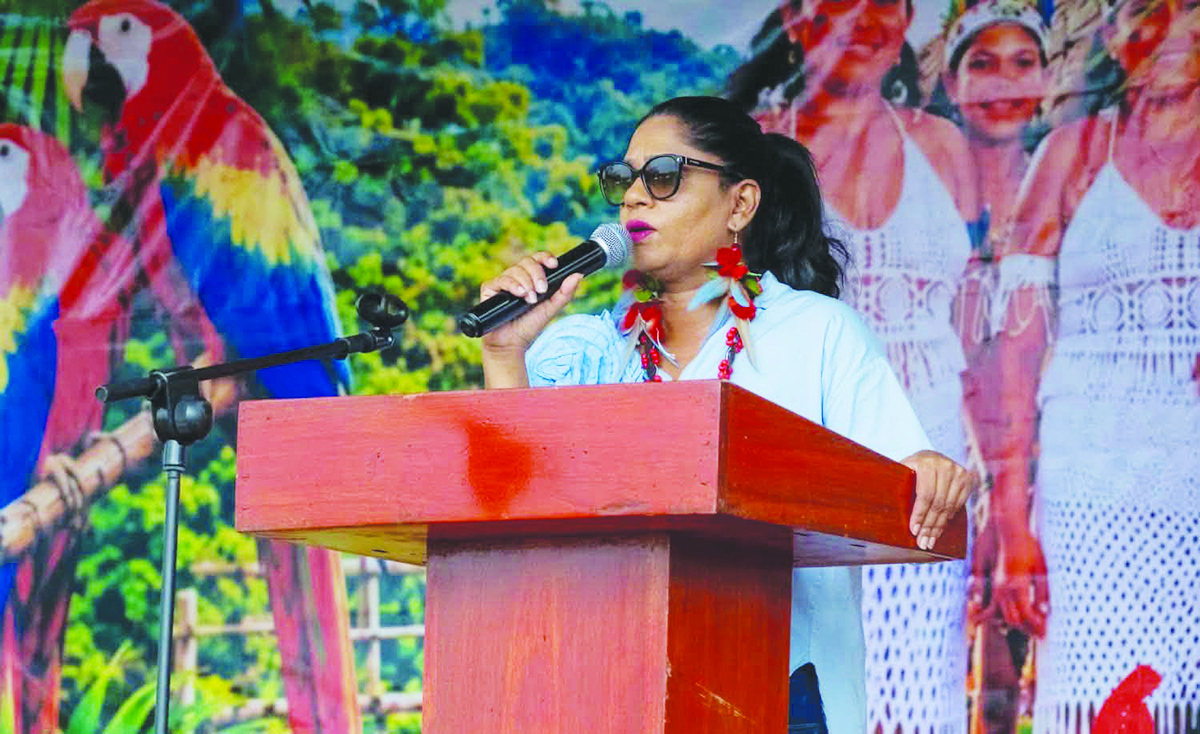
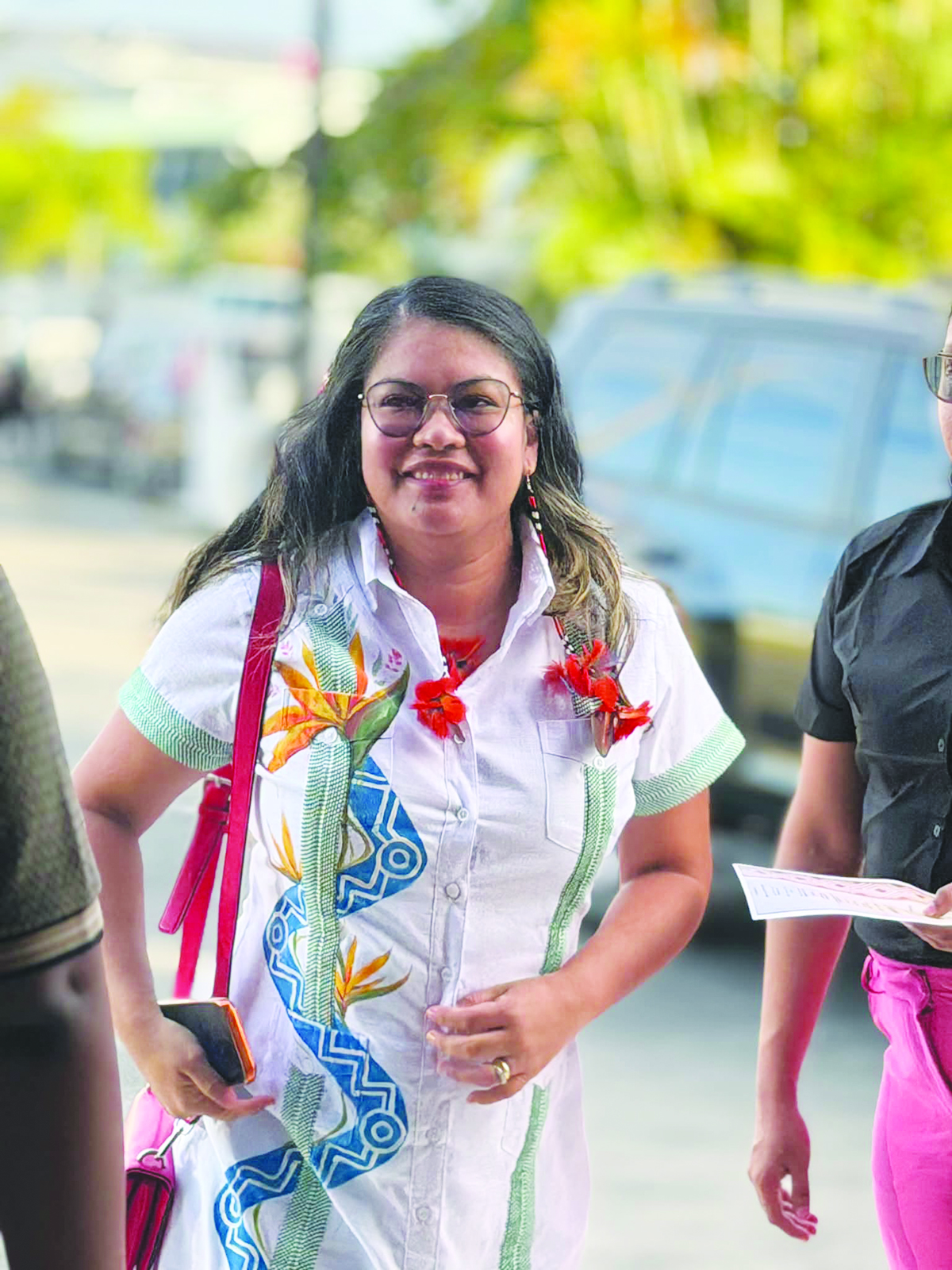
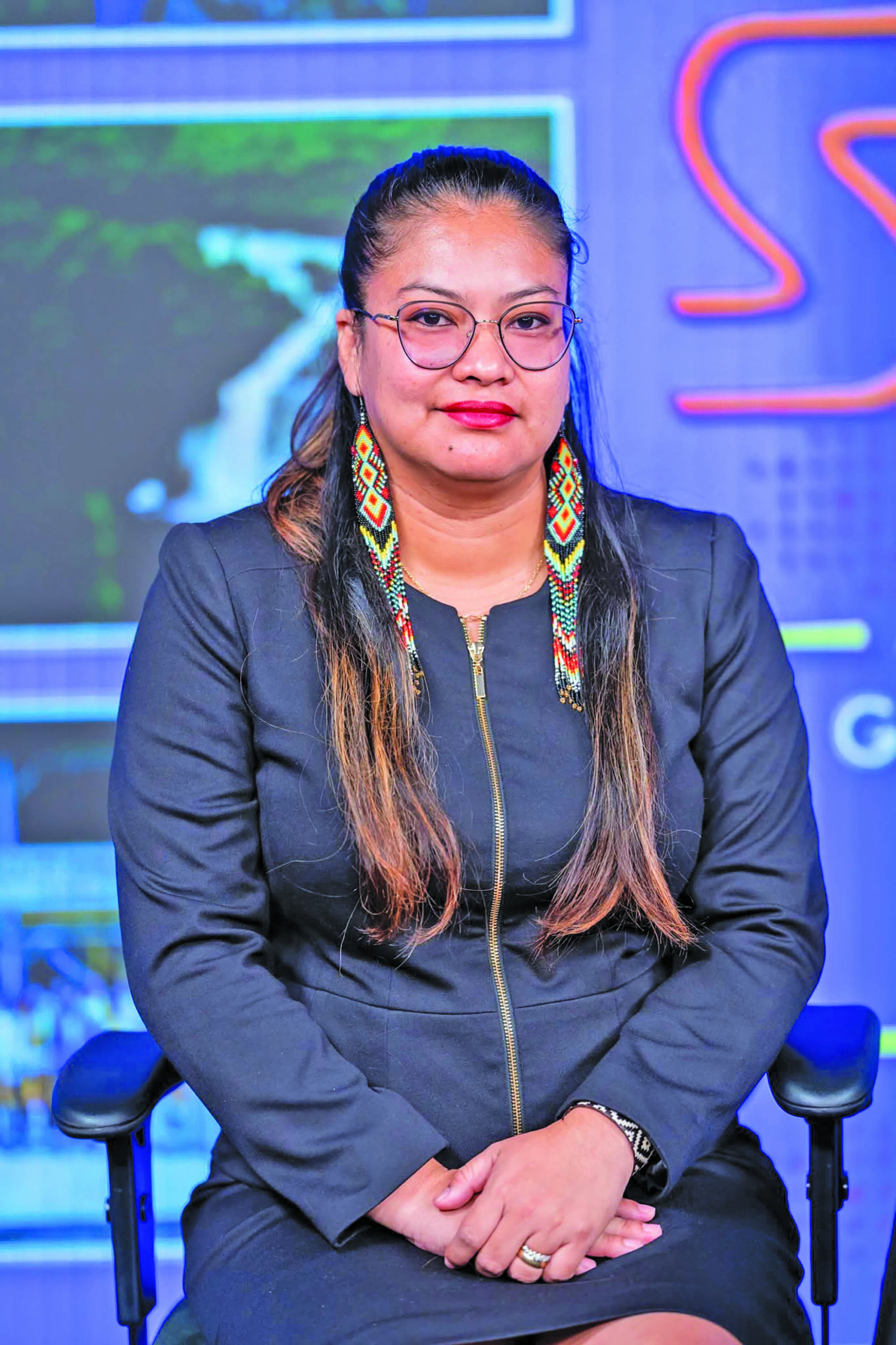
The Government is exploring the possibility of introducing the Lokono (Arawak) language into the primary-school system as part of efforts to preserve Indigenous languages and traditions that are disappearing in some communities. Amerindian Affairs Minister Sarah Browne-Shadeek disclosed that her Ministry is currently working with the Education Ministry to determine how the language could be incorporated into the formal education system, possibly beginning at the primary level. Speaking during an appearance on the Starting Point podcast, Browne-Shadeek said greater connectivity, social media and other outside influences have contributed to the erosion of aspects of Indigenous culture in some communities.
“As a Ministry, we have acknowledged that, in some villages, whether it’s by outside influence, social media or us being more connected to the outside world, our culture in some areas is, it’s sad to see, dying,” she said. The Minister pointed to Region Nine (Upper Takutu-Upper Essequibo) as an area where Indigenous culture remains particularly strong, with communities continuing to practise traditional ways of life and speak their languages. “We find that Region Nine, for example, is still very deeply rooted in culture, in traditions, and continues to practise our way of life, speak our language. But there are other areas and other nations that… our culture is seemingly dying,” Browne-Shadeek said. She identified the Lokono or Arawak nation as an area of particular concern, noting that many Lokono communities are situated in locations with easy access to the coast. For Browne-Shadeek, the threat to the language is also personal.
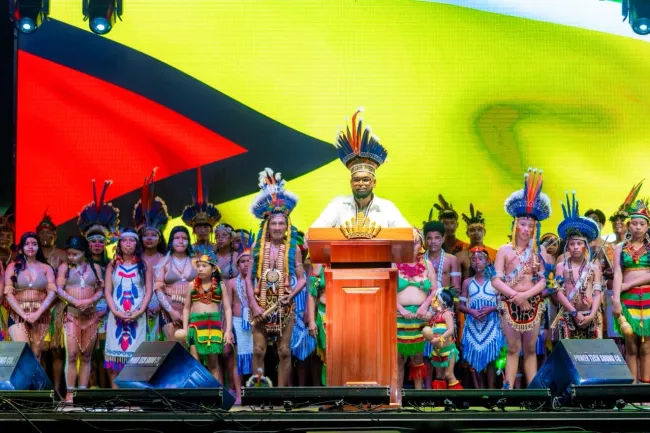
“I am Lokono, I grew up in one of the largest Amerindian villages, and I can’t speak my language. It’s sad to see, not by choice, but because the people around me didn’t speak it and growing up, nobody taught me the language,” she related. The Minister said the challenge extends beyond language to the passing down of traditional skills and stories within families, drawing on her own experience as a mother. Browne-Shadeek said efforts are underway to bring the language into a formal setting. She disclosed that the Amerindian Affairs Ministry is working with the Education Ministry to examine how Lokono could be incorporated into the primary-school curriculum as a starting point, rather than relying solely on informal efforts to keep the language alive. The Minister also pointed to the role of cultural groups in preserving traditions, saying her Ministry continues to support groups that are actively promoting Indigenous culture. She noted that in some areas only a small number of such groups remain. In one Region One sub-district, she said, there are approximately three cultural groups among some 11 villages, while similar challenges exist in parts of Region Eight. Browne-Shadeek also used an experience involving her son to illustrate the importance of making Indigenous traditions visible and giving younger people opportunities to see their culture being openly embraced. “I took my kids and I dressed my son in a traditional outfit… and he didn’t want to wear it. He was ashamed. So, when he went there and… saw the performers, the males in that outfit, he felt more comfortable that this is something that I can wear,” she recalled.
Politics
Need the bigger picture?
Share this article
Comments (0)
Download our mobile app
The portable companion to gazettE. Get notifications, track read articles, and more. The latest news from Trinidad and Tobago, in one place.