Mohamed’s Detention, Workers’ Rights And MV Barima Cases Fuel GTUC Concerns
Politics
Crime
Legal
November 15, 2026
Share this article

Click to view full size
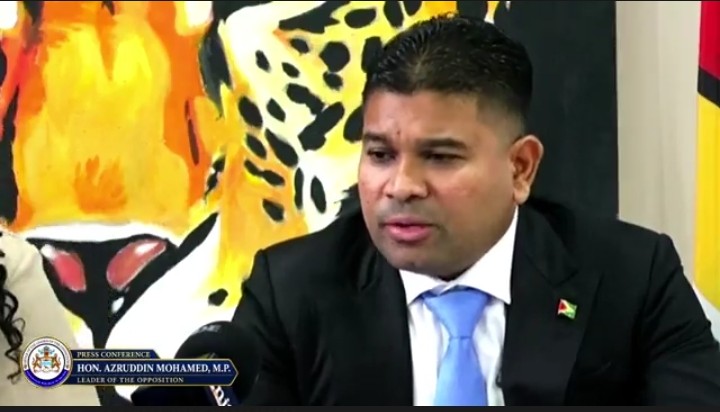
By Mark DaCosta- Guyana’s constitutional order rests on a simple idea: those who govern, and those who hold them to account, derive their authority from the ballot. Azruddin Mohamed holds a mandate from the Guyanese electorate. He leads the We Invest in Nationhood (WIN) party, which won 16 seats and became the second-largest bloc in the National Assembly, and he was chosen by his parliamentary colleagues as Leader of the Opposition.
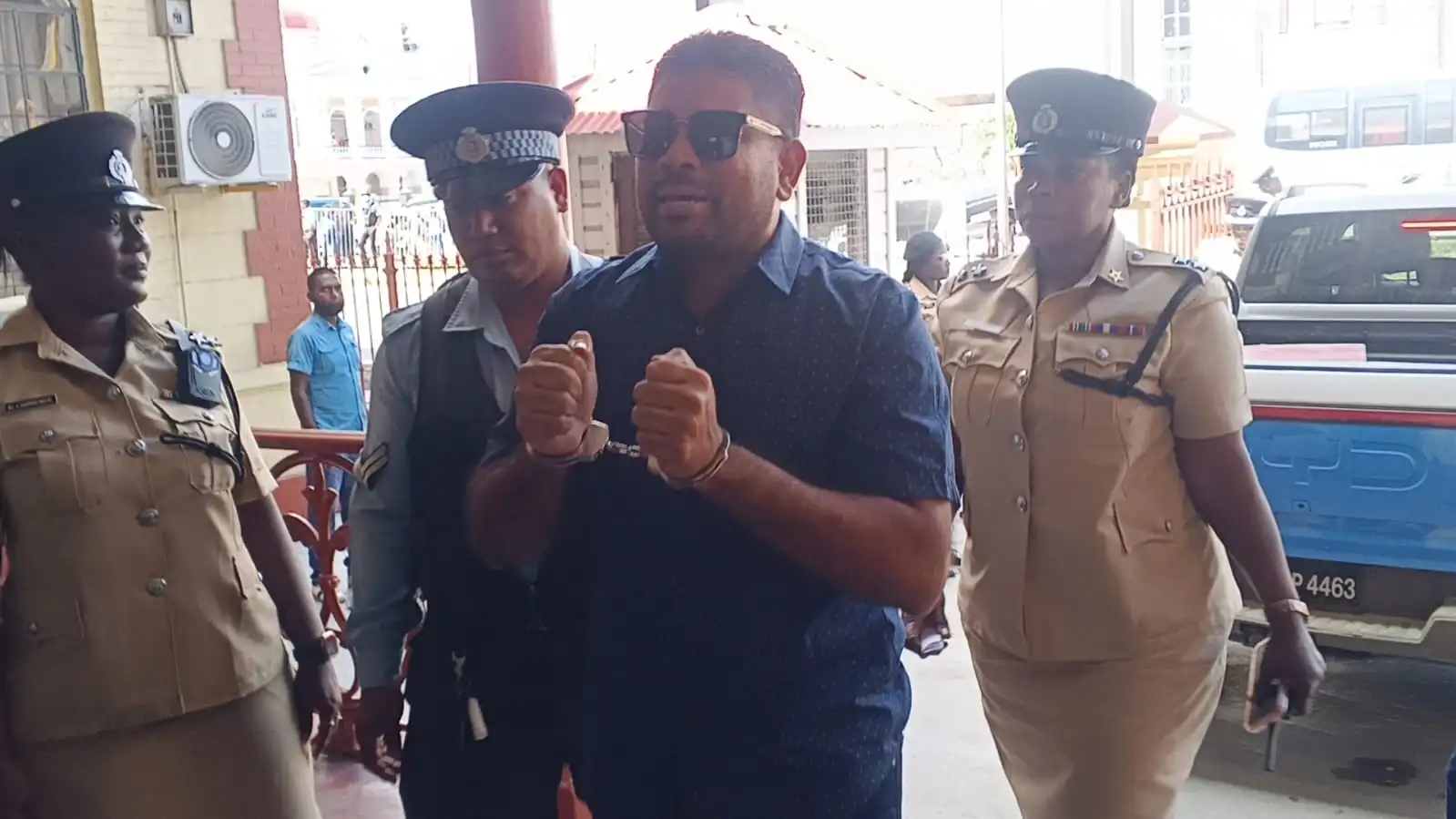
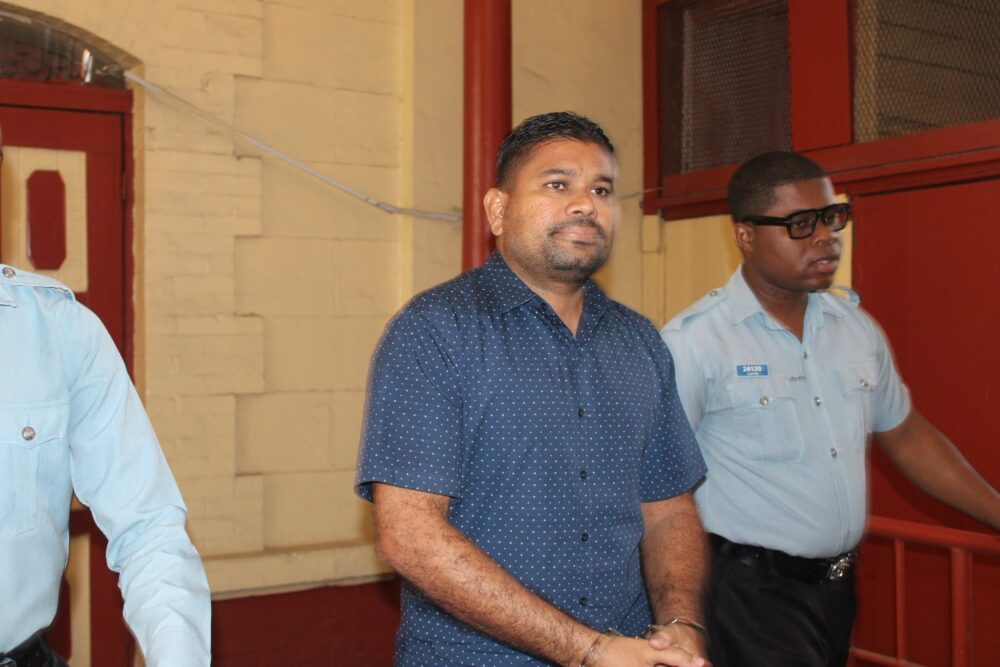
Yet on Wednesday, 11 November, he did not take his place in the House. He was in custody at Lusignan Prison, and the Guyana Trades Union Congress (GTUC) says someone within the prison system blocked his participation. That claim sits at the centre of a widening controversy about who may stand between a citizen’s vote and the office it created.
Related coverageGuyana Human Rights Association Accuses US, Government Over Mohamed Extradition Case59 reports


The GTUC‘s argument is stark. No salaried prison administrator has ever faced the voters. Those officials hold appointments, not mandates, and answer to a chain of command, not to the electorate. When an administrative directive, whatever its origin, keeps an elected parliamentarian from the chamber, an unelected functionary has in effect overridden the people’s choice. The GTUC says this holds whatever view one takes of the charges Mr Mohamed faces. The courts decide guilt. Administrators may not decide who sits in Parliament.
Politics
Crime
Legal
Need the bigger picture?
Share this article
Comments (0)
Download our mobile app
The portable companion to gazettE. Get notifications, track read articles, and more. The latest news from Trinidad and Tobago, in one place.