Future-proofing Jamaica is more than just a slogan
Business
Legal
July 12, 2026
Share this article
Click to view full size
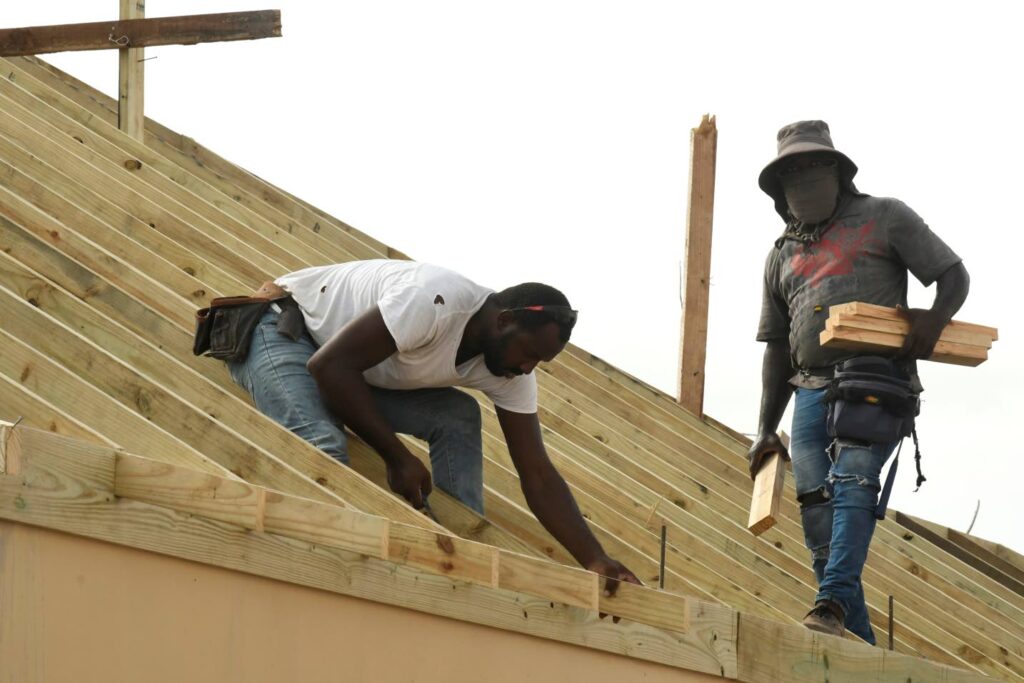
EIGHT months after Hurricane Melissa tore across our island, the cost of that storm is still being tallied.
The World Bank and Inter-American Development Bank put the damage at US$8.8 billion, an all-time high for a single event. Zoom out further and the picture is starker still: a UN-backed analysis released this year found that Jamaica has absorbed more than US$136 billion in economic losses from climate-related disasters since 2000, across 19 major hydrometeorological events. Every one of those dollars passed, in some way, through the built environment. From a roof that lifted, to a retaining wall that failed; a school that could not reopen to a home that stood firm, all are a testament to the strengths or weaknesses of the industry.
As the umbrella body representing the full range of built-environment professions in Jamaica — including engineers, architects, valuation surveyors, land surveyors, quantity surveyors, contractors, planners — the Construction Industry Council does not view these numbers as an indictment from the outside. We view them as our balance sheet. The buildings that stood and the buildings that fell are both, in large part, a reflection of decisions our professions made, or were prevented from making, long before the wind arrived. Future-proofing Jamaica is, therefore, not a slogan or nine-day wonder for us. It is an obligation, and it is one we cannot discharge alone.
Business
Legal
Need the bigger picture?
Share this article
Comments (0)
Download our mobile app
The portable companion to gazettE. Get notifications, track read articles, and more. The latest news from Trinidad and Tobago, in one place.