Supreme Court upholds birthright citizenship
Politics
Legal
July 1, 2026
Share this article

Click to view full size
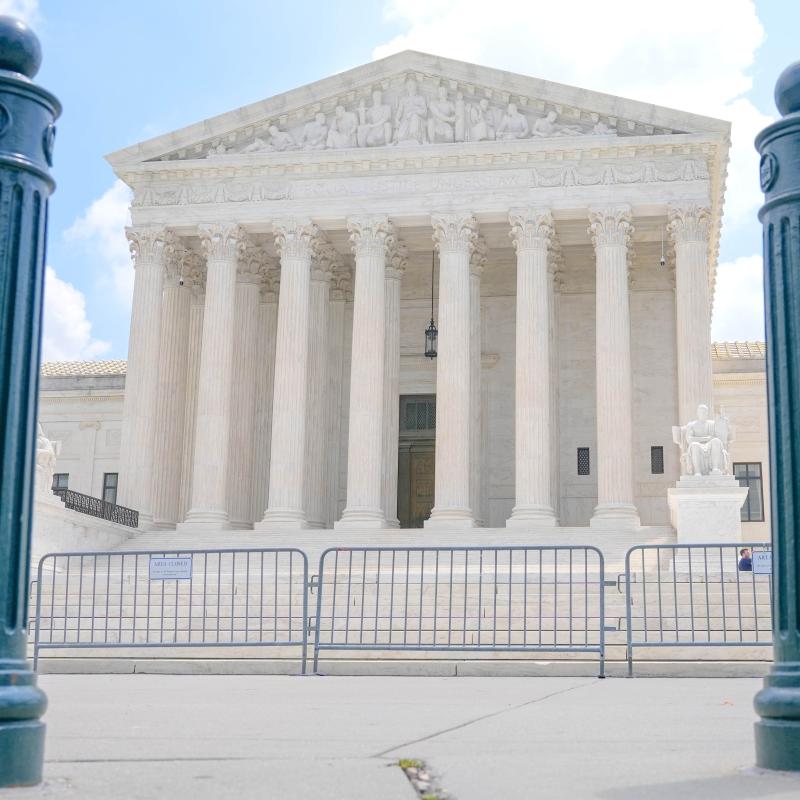
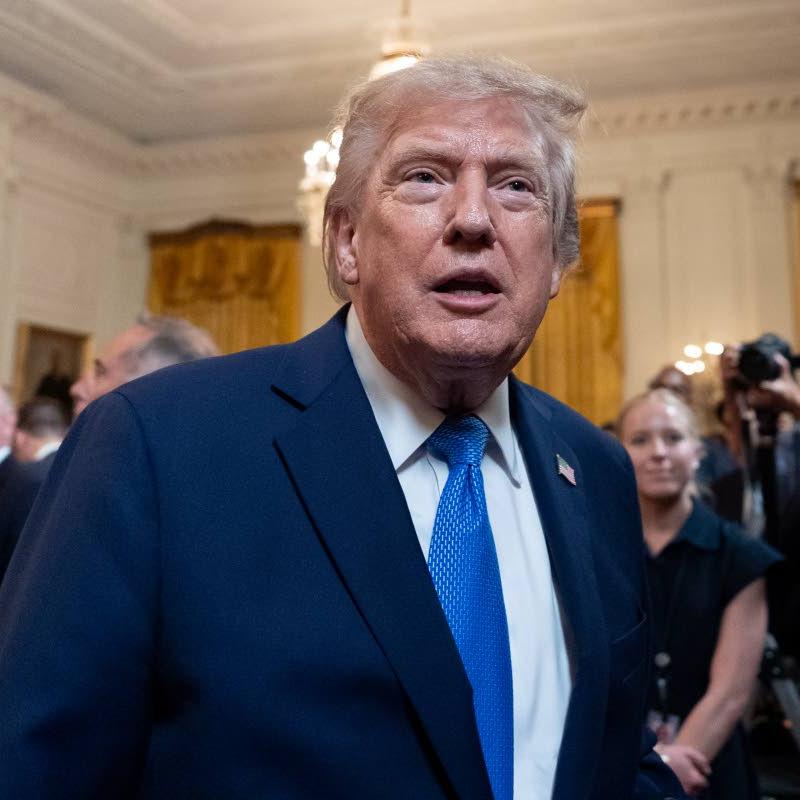
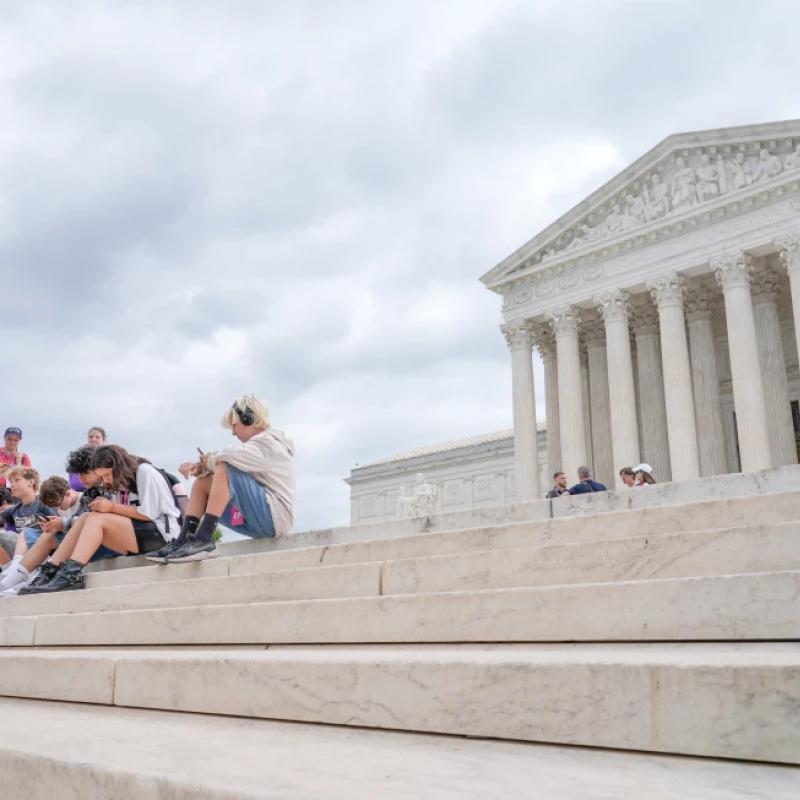
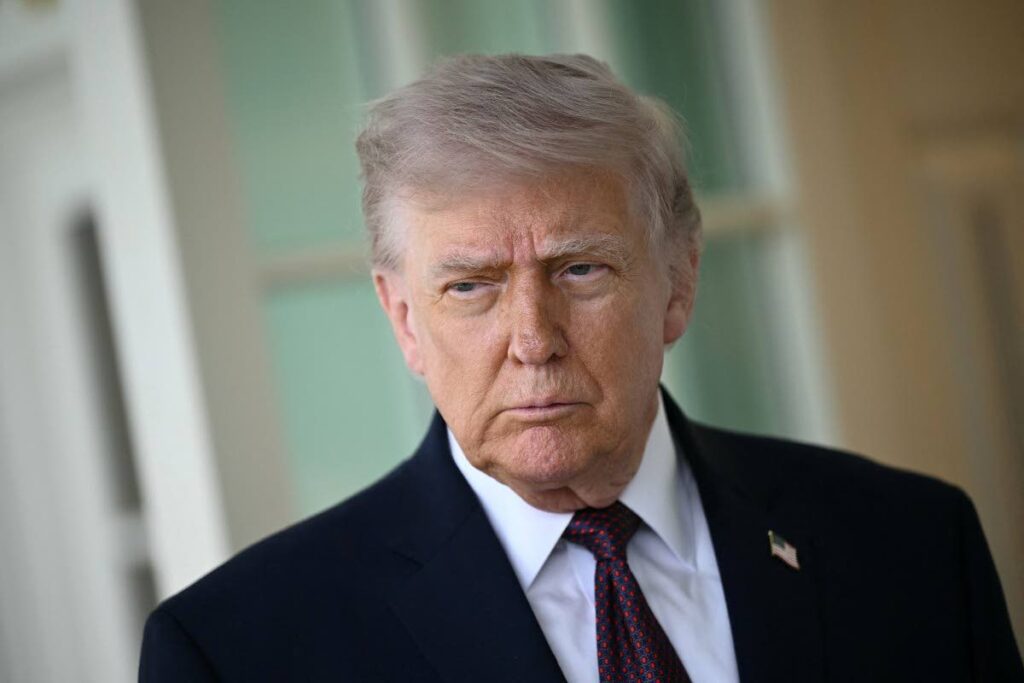
A divided Supreme Court on Tuesday upheld a broad conception of birthright citizenship, rejecting President Donald Trump’s executive order declaring that children born to people who are in the country illegally or temporarily are not American citizens.
By a six to three vote, the court struck down Trump’s order. A bare majority of five justices, in an opinion written by Chief Justice John Roberts, held that the long-settled understanding of the 14th Amendment, adopted after the Civil War, makes a citizen of anyone born in the country, with very limited exceptions.
“Citizenship, then and now, was the right to have rights—to freely participate in our political community. The Framers of the Fourteenth Amendment extended that promise to ‘every free-born person in this land’,” Roberts wrote for the court, citing congressional debate over the amendment. “We keep that promise today.” A sixth justice, Brett Kavanaugh, disagreed about the constitutional ruling, but pointed to a federal law that he said broadly conveys birthright citizenship. Justices Samuel Alito, Neil Gorsuch and Clarence Thomas would have upheld Trump’s proposed restrictions.
Politics
Legal
Need the bigger picture?
Share this article
Comments (0)
Download our mobile app
The portable companion to gazettE. Get notifications, track read articles, and more. The latest news from Trinidad and Tobago, in one place.