GoodHeart | Dr Camilo Trench on the front line for Jamaica’s mangroves
July 18, 2026
Share this article

Click to view full size
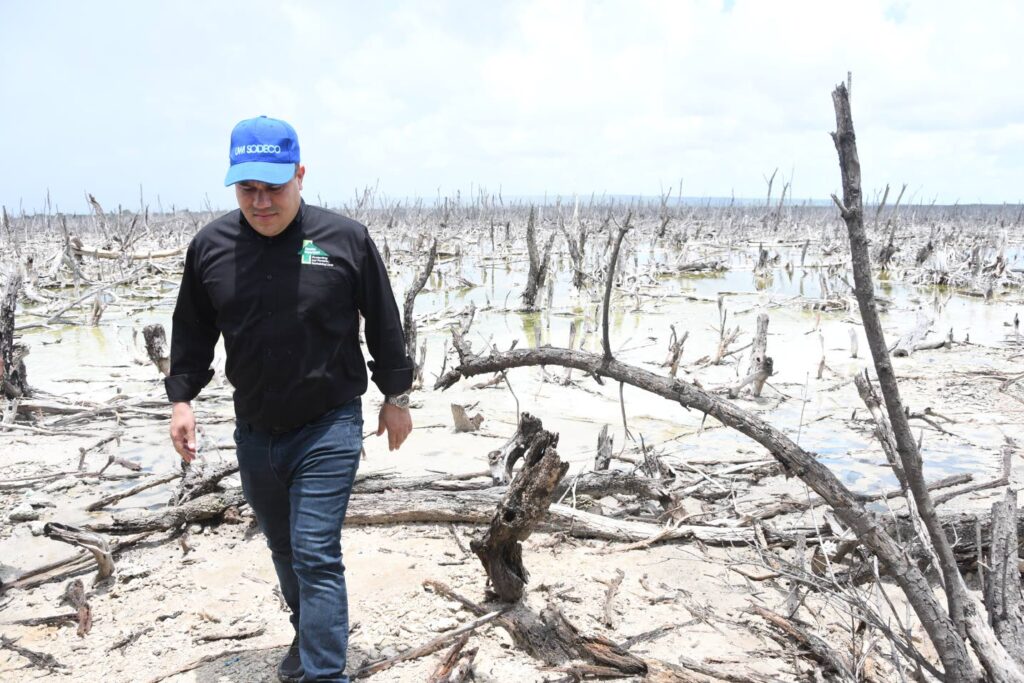
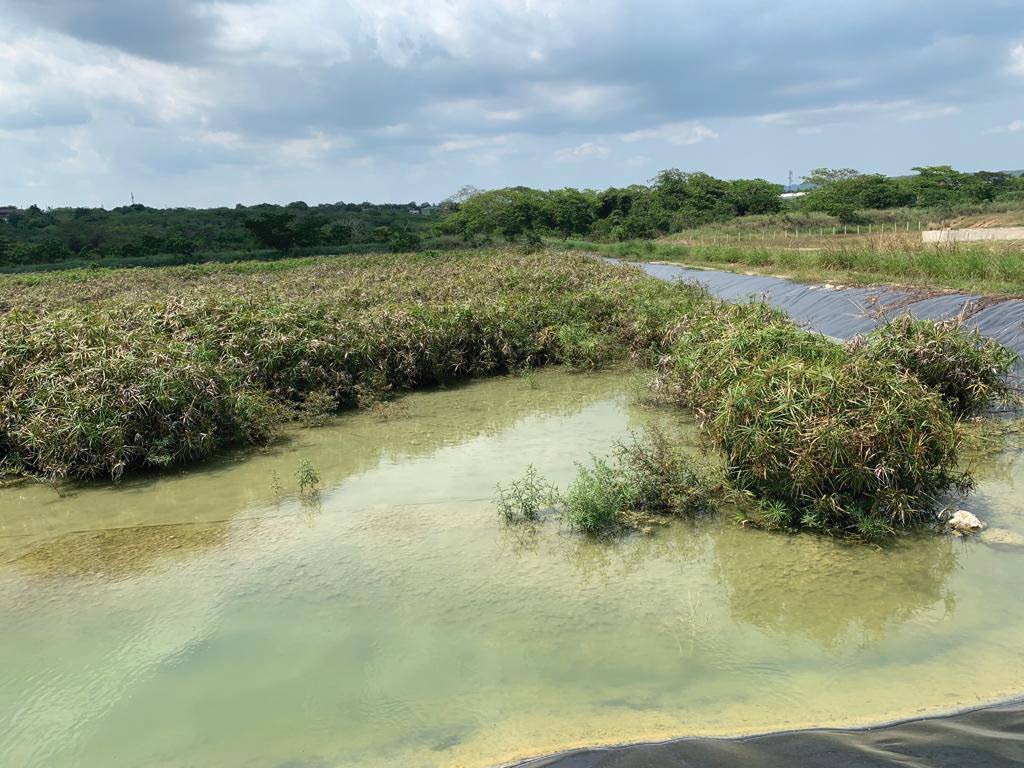
For more than two decades, Dr Camilo Trench has worked to protect Jamaica’s mangrove forests, among the island’s most valuable yet most threatened natural assets. As the International Day for the Conservation of the Mangrove Ecosystem, also known as World Mangrove Day, approaches on July 26, his work highlights the importance of protecting these critical ecosystems.Mangroves protect the coastline from storms, filter water before it reaches the sea, and store carbon at a rate few other ecosystems can match. Yet, Jamaica has only about 14,000 hectares of mangrove forest remaining, much of it under pressure from coastal development, pollution and urban run-off. Long dismissed as wasteland, these forests are now recognised as essential infrastructure in a country exposed to hurricanes, flooding and rising sea levels. Replacing the services they provide, including storm protection, water filtration and carbon sequestration, would cost millions of dollars to replicate artificially.Trench holds a PhD in marine sciences from The University of the West Indies (UWI) and has played a supervisory or advisory role in the restoration or conservation of hundreds of hectares of Jamaica’s mangrove forests, as well as mangrove conservation work elsewhere in the Caribbean. As a lecturer at UWI’s Discovery Bay Marine Laboratory, he has published in peer-reviewed journals and authored Jamaica’s National Mangrove and Swamp Forest Management Plan. His research has been funded by international organisations including the World Bank and The Nature Conservancy, totalling more than US$4 million in grants, including a World Bank study, Forces of Nature: Assessment and Economic Valuation of Coastal Protection Services Provided by Mangroves in Jamaica.One of the clearest examples of Trench’s work is The Pinnacle, a luxury development under construction within an existing mangrove forest in Montego Bay. Brought in as part of the site’s development survey team, he identified potential ecological risks early in the planning process.“When I saw the plans, I knew we had to be proactive,” he said.Trench has since led a strategy to preserve 95 per cent of the existing mangroves on the site, creating controlled water access points and a nursery programme that grows seedlings before they are planted across the wetland. Seedlings are collected in the summer, when mangroves flower and fruit, and kept in a nursery where they are monitored, pruned and gradually acclimatised before being planted out. Mature mangroves are harder to move.“If they’re over half a metre tall, their survival rate drops significantly,” he said, explaining why his team focuses on younger seedlings instead.Yangsen Li, chief executive officer of LCH Development, the developer of The Pinnacle, said the company’s approach to the site was shaped by a broader view of what development owes the land it occupies.“Responsibility to nature is a driving force behind The Pinnacle,” he said. “We deliberately chose one of the best in the world to help us execute that responsibility. Dr Trench was the clear choice.”Long before he became one of the Caribbean’s leading mangrove scientists, Trench’s fascination with the natural world began in childhood. Growing up near wetlands in Jamaica, he spent his time exploring the outdoors, often accompanying his brother on fishing trips to Salem, St Ann.“My father always encouraged me to go into the sciences,” he recalled. “But it was my uncle who sent me National Geographic magazines. That’s where my fascination with ecosystems really started.”Trench said he hopes The Pinnacle will eventually achieve a net gain in mangrove coverage.“We want to protect what’s here, and grow even more than we started with,” he said.For him, the greatest reward is not measured in hectares restored.“The most rewarding aspect of my work is seeing mangroves finally recognised for their ecological significance,” he said.That recognition, and the work of scientists like him, may ultimately determine how well Jamaica’s coastline is protected in the decades ahead.goodheart@gleanerjm.com
Need the bigger picture?
Share this article
Comments (0)
Download our mobile app
The portable companion to gazettE. Get notifications, track read articles, and more. The latest news from Trinidad and Tobago, in one place.